
How to Remember What You Read in Textbooks
Quick Answer
To remember textbook reading, preview the chapter for ten minutes, turn headings into questions as you read, make same-day flashcards in your own words, and review them on a spaced schedule (1 day, 3 days, a week, 2 weeks). Explaining concepts out loud and sleeping well do more for retention than re-reading ever will.
Why textbooks slip right out of your head
Most people read textbooks the way they scroll through news, eyes moving, mind half somewhere else. That works fine for a novel, but it's a terrible way to learn. Your brain treats smooth, easy reading as a signal that everything is understood, and then it cheerfully throws the details away. Researchers call this the fluency illusion: the words felt familiar, so you assumed you knew them. Real remembering starts when you do something harder than just reading. That doesn't mean suffering through the chapter twice. It means changing what you do while you read and, more importantly, what you do after you close the book.

Preview the chapter before you read a word
Spend ten minutes surveying before you start the real work. Flip through the chapter and look at the headings, bold terms, diagrams, captions, and the summary at the end. Jot down three or four questions you expect the chapter to answer. This tiny habit does two things. It gives your brain a skeleton to hang details on, and it turns reading from a passive march into a search for answers. When you already know what you're looking for, your attention sticks. Students who skip this step often read whole pages without a clue what the point was, then have to start over. Ten minutes of preview saves thirty minutes of re-reading.
- Skim all headings and subheadings, first to last
- Study the diagrams, charts, and their captions
- Read the chapter summary and the end-of-chapter review questions
- Write 3-4 questions you expect the chapter to answer
Read with a question in your head
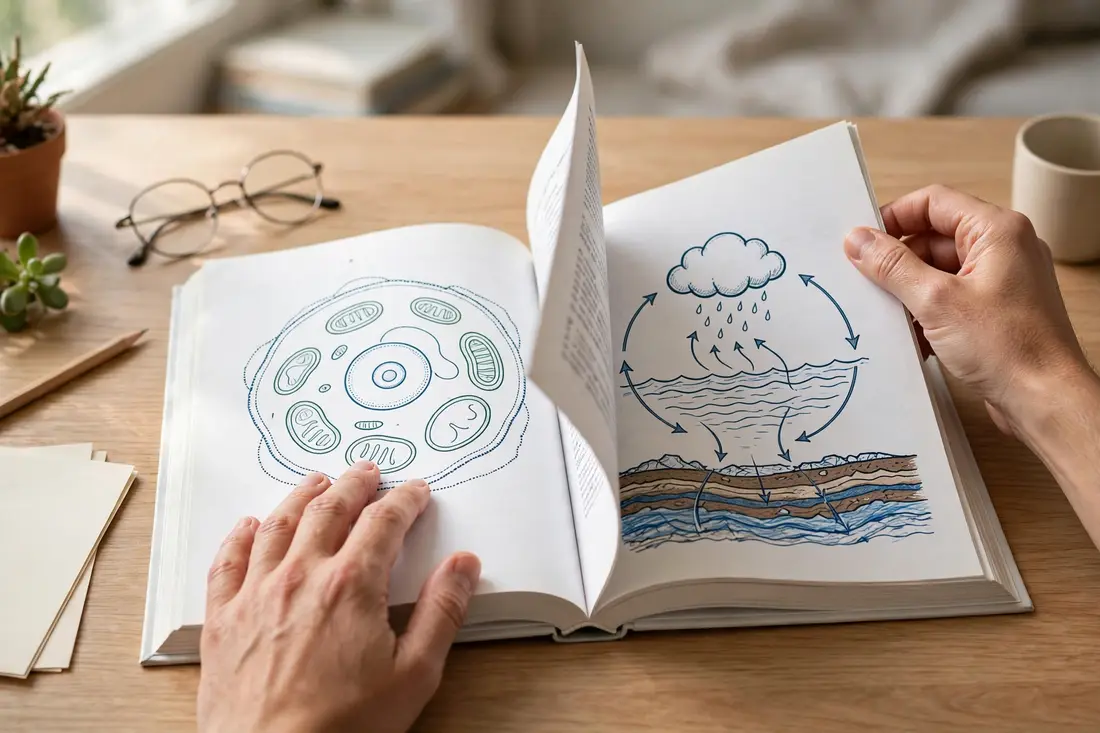
Turn every heading into a question before you read the section under it. If the heading says "The Krebs Cycle," ask yourself what the Krebs cycle is and why it matters. If the heading says "Causes of the Dust Bowl," ask what caused it before the paragraph tells you. Then read to find the answer. This single trick, the old SQ3R method, minus the jargon, keeps you alert because your brain is hunting, not wandering. When you finish a section, pause and answer your question from memory before moving on. If you can't, read that section again right now, while the confusion is fresh. You'll remember material you worked to retrieve far better than material you merely nodded along with.

Turn key ideas into flashcards the same day
Flashcards work because they force retrieval, pulling an answer out of your head, which is exactly what exams ask you to do. But only if you make good cards. One idea per card. The question goes on the front, the answer on the back, and both should be in your own words, not copied from the book. "What does mitosis produce, and why does the body need it?" beats "Define mitosis." Copy-paste cards just test recognition, which is easy and useless. Apps like Anki schedule reviews automatically, and plain index cards work just as well if you keep them honest. Make cards the same day you read, while the material is warm. A cold chapter read three days ago produces vague, mushy cards.
Space your reviews out, don't cram
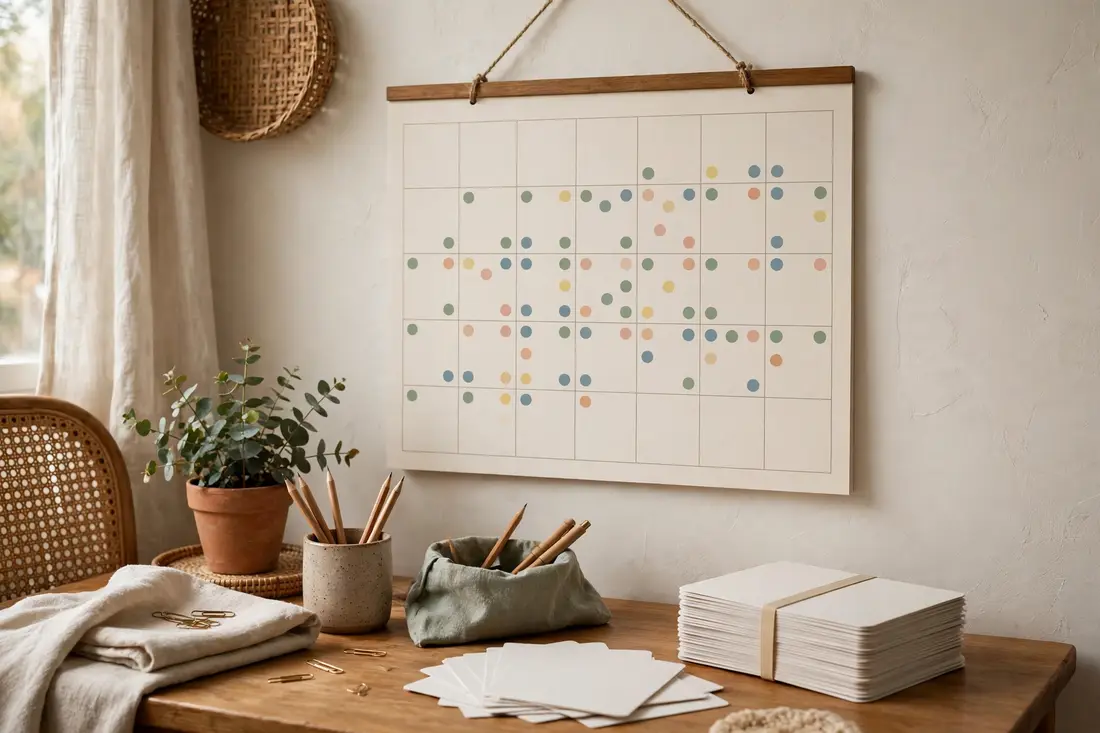
Reviewing a chapter three times in one night feels productive, but the forgetting curve eats it alive. What actually sticks is spaced repetition: review after one day, then after three days, then after a week, then after two weeks. Each review gets easier and faster because the memory is strengthening, and the gap between reviews keeps growing. Cramming still has a place, it's fine for names and dates the night before a quiz, but anything you need to keep for the final exam needs spacing. The good news is that spaced reviews are short. Ten minutes with your flashcards, three times over two weeks, beats two hours of re-reading the night before. Your future self will thank you.
Explain it out loud like you're teaching a friend
Close the book and explain the concept out loud in plain words, as if a curious friend asked you about it. Wherever you stumble or fall back on vague phrases like "you know, the thing with the cells," you've found a gap. Go back to the text, fill the gap, and explain it again. This is sometimes called the Feynman technique, and it works because teaching demands real understanding, you can't fake your way through a spoken explanation the way you can through highlighted pages. It feels awkward the first few times. Do it anyway. Talking through material in your own voice builds a memory trace that silent re-reading never touches, and it shows you exactly which parts need another look.

Take notes that force you to think, not copy
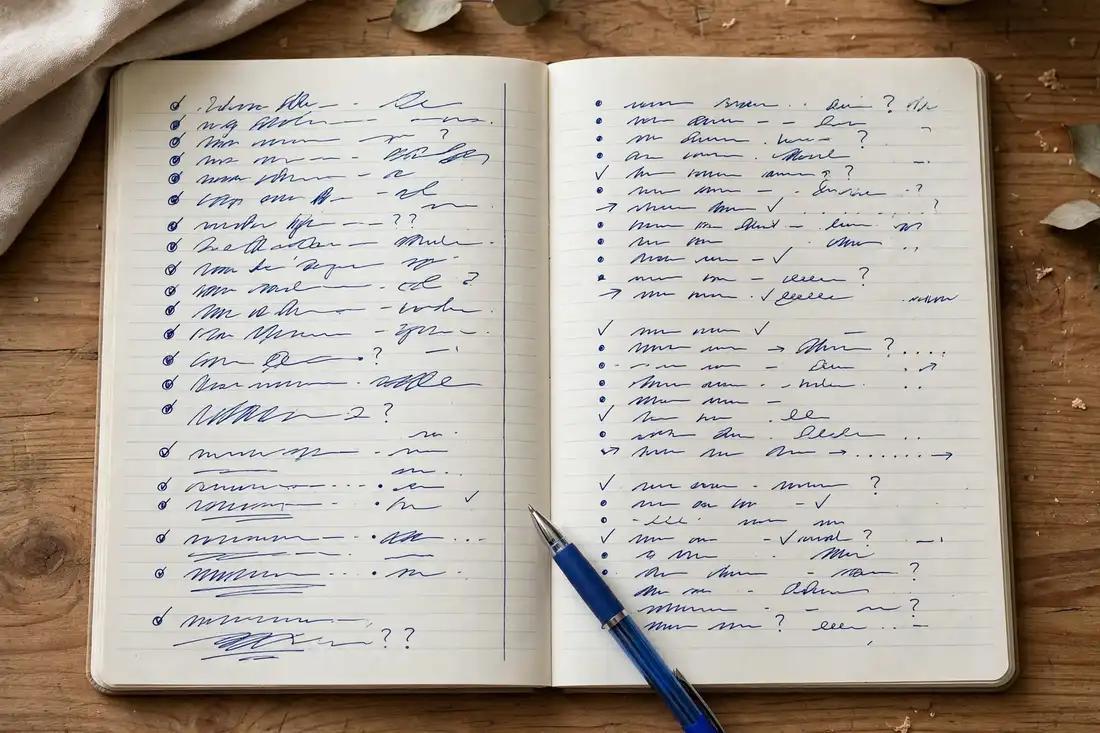
Most student notes are just the textbook rewritten smaller, which is why most notes don't help. Try the Cornell method instead. Draw a line down your page about a third of the way in. Take regular notes on the right side during reading, and leave the left column empty. Later, fill the left column with questions, key terms, and one-sentence summaries of each chunk. At the bottom of the page, write a two-sentence summary of the whole page. This forces you to process the material three times, once while noting, once while questioning, once while summarizing, and that processing is the whole ballgame. The notes themselves become a ready-made review sheet for later.
- Notes on the right: capture ideas in your own words, not full sentences
- Cue column on the left: questions, terms, and mini-summaries added later
- Summary at the bottom: two sentences covering the whole page
- Review by covering the right side and answering the left-side cues
Hook new facts to things you already know
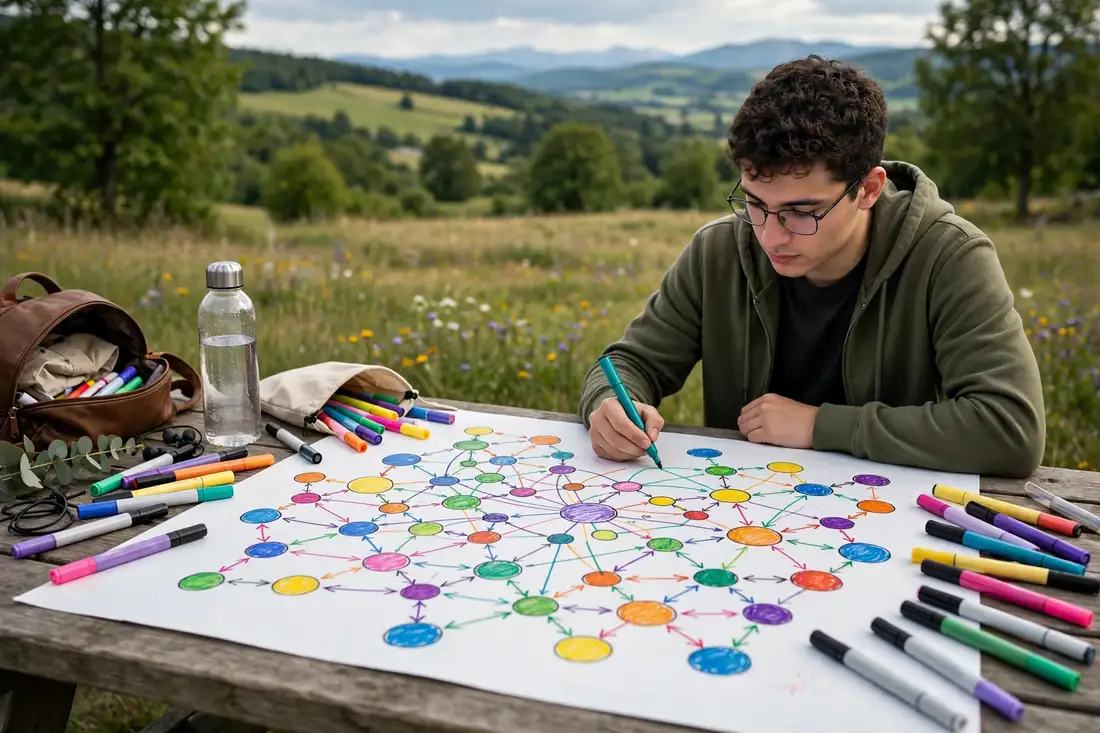
Memory is associative, new information sticks best when it grabs onto something already in your head. Deliberately build those hooks. If the textbook describes a process in steps, turn it into a silly mental movie with exaggerated images; weird is good because weird is memorable. If you're learning vocabulary, connect the new term to a word it sounds like or a person you know. Mnemonics get mocked as cheap tricks, but they're one of the oldest and most reliable memory tools humans have. The goal isn't to be clever. It's to give your brain more than one path back to the fact, so that on test day, if one path is blocked, another one is open.
Sleep is part of the study plan
Your brain consolidates memories while you sleep, moving new information from short-term holding into longer storage. An all-nighter trades that process for a few extra hours of bleary reading, and it's a bad trade. Students who sleep after studying consistently outperform students who study the same material and stay up. The effect is strongest for the kind of learning textbooks demand, facts, procedures, and relationships between ideas. Aim for a full night, and stop studying about an hour before bed so your brain can wind down. Also, mix subjects during the day instead of doing five straight hours of biology. Switching topics, called interleaving, feels harder in the moment but produces stronger long-term retention.

Your 24-hour-before-the-exam routine
The day before the exam is for retrieval, not new learning. Work through your flashcards and cue-column questions, explain the big topics out loud, and redo any practice problems you got wrong. Skim your chapter summaries rather than re-reading whole chapters, if your earlier work was solid, the summaries will trigger full memories. When you hit something you genuinely don't know, learn it in small doses and move on; don't spiral. The evening before, lay out everything you need, do a final light review, and go to bed at a normal time. Morning of the test, eat normally, arrive early, and trust the work you've done. Cramming at the door just feeds panic.
- Run all flashcards; set aside missed ones for a second pass
- Explain the 5 biggest topics out loud without the book
- Redo problems and questions you previously got wrong
- Skim chapter summaries, don't re-read full chapters
- Sleep normally; review lightly, don't cram at the door

✅ Guide4U Checklist
- Preview headings and summaries for 10 minutes first
- Turn each heading into a question before reading
- Make one-idea flashcards in your own words, same day
- Review after 1 day, 3 days, a week, 2 weeks
- Explain each big topic out loud without the book
- Sleep a full night, stop studying an hour before bed
- Do new problems wrong twice, skim summaries the final day
Key Takeaways
- Preview turns reading into a search for answers.
- Retrieval, not re-reading, is what builds memory.
- Spaced reviews beat one long cramming session.
Frequently Asked Questions
Is highlighting textbooks actually useful?
Highlighting alone is one of the weakest study methods because it feels like learning without requiring any. It can help if you highlight sparingly and then turn the highlighted passages into questions or flashcards. Most students highlight far too much, if half the page is yellow, the highlighting is meaningless. Use it as a marker for material to convert into active study, not as the study itself.
How long should I study a textbook chapter?
A focused hour with the techniques in this article beats three hours of passive re-reading. For a typical 30-page chapter, budget 10 minutes of preview, 40 minutes of active reading with questions, and 15 minutes making flashcards or notes. Then stop. Your review sessions later in the week can be 10-15 minutes each. Total time is lower than most students expect; the difference is that every minute is doing real work.
Do these techniques work for digital textbooks too?
Yes, with one adjustment. Digital readers make passive reading even easier, so be deliberate: use the search function to quiz yourself, keep a separate document for cue questions instead of annotating in the margins, and hand-write your flashcards or summaries if you can. Writing by hand slows you down just enough to force processing, and studies consistently find it beats typing for retention.
What if I have a photographic memory but still forget?
Almost nobody has a true photographic memory, what feels like it is usually strong recognition, which is different from recall. Recognition says "yes, I've seen this"; recall says "here's the answer." Exams test recall. That's why the retrieval-based techniques here, flashcards, self-questioning, teaching out loud, matter even for people who think they remember easily. If you can recognize it but not produce it, you don't know it yet.
What did you think of this article? Share your opinion in the comments below — we would love to hear from you.