
How to Write a Follow-Up Email After No Response

Quick Answer
Wait two to three business days (five to seven for a job application), reply in the same thread, and keep it under 100 words with one clear question. Add one small piece of new value if you have it. Send at most two follow-ups, then close politely and move on.
Wait Before You Follow Up
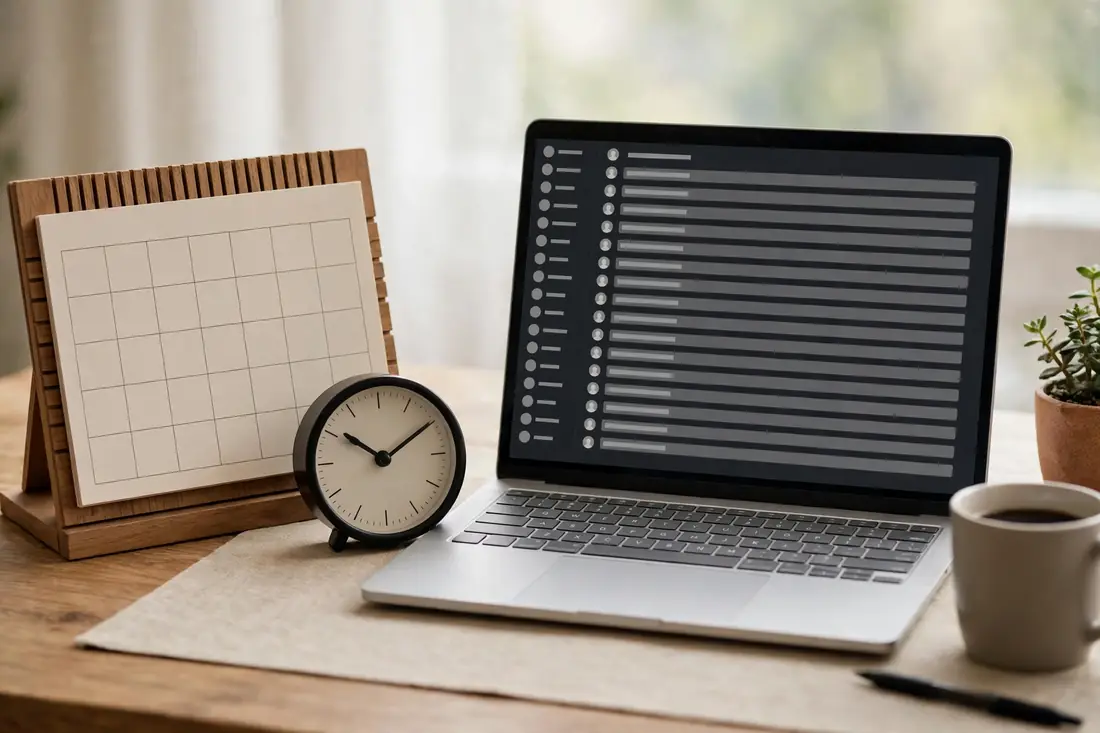
The hardest part of a follow-up is timing it right. Send it too soon and you look pushy. Wait too long and your email is forgotten. For most emails, two to three business days is the right gap. That gives the person time to read your message, check with a colleague, or simply get through a busy week. For a job application, wait longer, about five to seven business days, because hiring managers juggle dozens of candidates and a pile of other work. If your first email went out on a Friday, do not count the weekend. Count business days from the next Monday. Sent at the right time, a follow-up feels helpful. Sent an hour later, it feels like pressure, and it can hurt the very thing you are trying to win.
Reply in the Same Thread
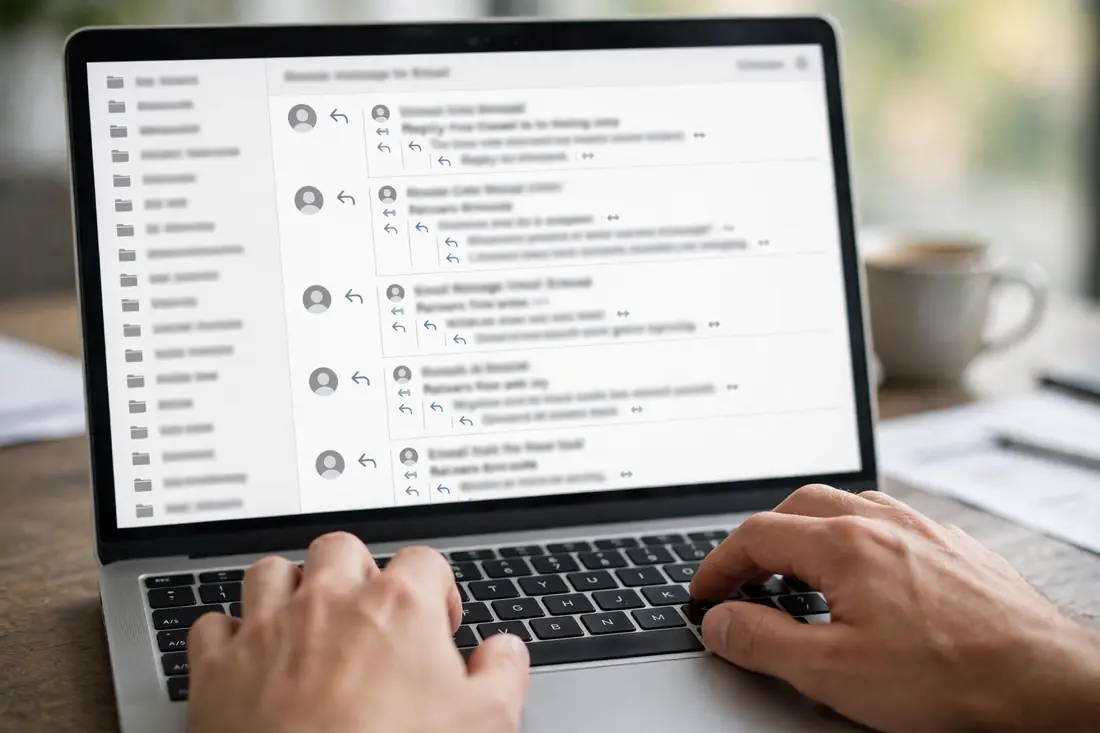
Always reply to your original email instead of starting a new one. When you reply in the same thread, the other person sees your first message, your context, and your attachments right above your follow-up, all in one place. They do not have to search their inbox to remember who you are or what you asked for. A fresh email with a new subject line forces them to do that work, and busy people rarely do. In Gmail or Outlook, just open the sent message and hit reply. Your new note lands at the bottom of the same conversation, and the subject line keeps its Re: prefix. This one habit makes your follow-up twice as likely to get read, because the reader never has to guess what it is about.
Keep It Short, Under 100 Words
A follow-up email is not a second pitch. It is a reminder, and reminders work best when they are short. Aim for under 100 words, or about three to five sentences. Open with one friendly line, restate your ask in a single sentence, and close with a clear next step. Long follow-ups get skimmed or skipped, because the reader already saw your first email and does not need the whole story again. Short ones get read to the end, and they are easier to answer, because the reply can be one sentence too. If you catch yourself writing a second paragraph, cut it. Your first email already made the case. This one just needs to bring it back to the top of the inbox.
Ask One Clear Question
Every follow-up needs one clear question, because a question is much easier to answer than an open-ended note. End your email with a single ask that the reader can answer in seconds. Good examples: Are you free for a 15-minute call on Thursday? Can you confirm the start date? Would you like me to send the samples? Vague closings like Let me know what you think give the reader nothing to do, so they do nothing. One question also keeps you honest about what you actually want. If you cannot name the one thing you need from this person, you are not ready to follow up yet. Write the question first, then build the short email around it.

A Subject Line That Earns the Open
If you do start a new thread, the subject line does the heavy lifting. Keep it short, specific, and tied to your first email, so the reader connects the two at a glance. Quick follow-up: [topic] works well, because it is honest about what the email is. So does Following up on [your proposal / my application / Tuesday's meeting]. Avoid vague lines like Just checking in, which tell the reader nothing and look like every other email in their inbox. Never use all caps, and never pretend the subject is something it is not. A clear subject line respects the reader's time, and it also helps your email survive a quick inbox scan, which is where most follow-ups live or die.
Add Something New
The best follow-ups give the reader a reason to reply beyond the reminder itself. Add one small piece of new value: a link to a relevant article, a short update on your project, a new sample, or a piece of news that affects their decision. One sentence is enough. For a job application, you might mention a new certification or a project you just finished. For a client, you might share a quick result from a similar job. This turns your email from a nudge into a useful note, and it shows you are still thinking about their problem, not just your own wait. Do not add value for its own sake, though. If you have nothing genuinely useful to share, a short polite reminder is better than a forced extra.

Template: After a Job Application
A job follow-up should sound calm and confident, not anxious. Hiring managers can tell when a candidate is chasing them, and it rarely helps. Send this five to seven business days after you applied, and keep the whole email to five short lines. Start by naming the role and the date you applied, so they can find your application fast. Add one new fact about yourself, like a project you finished or a skill you picked up since applying. Then ask one question about the timeline or the next steps. Close with a simple thank you. Do not ask why you have not heard back, and do not list your resume again. The application already did that. This email just puts your name back in front of them at the right moment.
- Subject: Following up on my application for [role]
- Hi [name], I applied for the [role] position on [date] and wanted to check in on the hiring timeline.
- I recently finished [a relevant project or certification], which fits the [skill] the role needs.
- Would you be able to share an update on next steps?
- Thank you for your time, [your name]

Template: After a Sales or Client Email
Client follow-ups need to feel useful, not salesy, and the best way to do that is to lead with something that helps them. Two to three business days after your proposal, reply in the same thread with a short note. Remind them what you sent and when, in one line. Then add the new thing: a result from a similar client, a useful link, or a short observation about their business. Finish with one specific question, like a call on a named day, instead of a vague invitation to chat sometime. A named day makes it easy to say yes. If they do not reply, send one more follow-up a few days later with different value, then stop. Three emails with no reply is a no, and chasing further burns the relationship.
- Subject: Quick follow-up: [your proposal or service]
- Hi [name], I wanted to follow up on the [proposal] I sent on [date].
- Since then, [one new result or piece of news relevant to them].
- Would a 15-minute call on [day] work to talk it through?
- Best, [your name]

Template: After a Meeting or Networking Chat
A follow-up after a meeting is the easiest one to write, because you already have something real to talk about. Send it within 24 hours, while the conversation is still fresh in both of your minds. Open with the one topic you discussed that stuck with you, and attach or link whatever you promised during the chat, whether that is an article, an introduction, or a sample of your work. People remember who keeps small promises. Then ask for one clear next step, like a coffee next week or a short call, and name a day if you can. Keep it warm and short. This email is not about selling anything. It is about turning a brief meeting into a real connection, and the fastest way to do that is to be the person who follows through.
- Subject: Great meeting you at [event or place]
- Hi [name], it was good talking with you about [topic] at [event].
- As promised, here is [the link or document you mentioned].
- Would you be open to a coffee next week to continue the conversation?
- Best, [your name]

When to Stop Following Up
Knowing when to stop matters as much as knowing when to start. Two or three follow-ups is the limit for most situations: your first email plus two polite reminders, spaced a few days apart. If you still hear nothing, send one last short note that closes the loop gracefully. Something like: I understand you may be busy or the timing may not be right. I will leave it here, but feel free to reach out if things change. This last email shows respect for their time, and it often gets a reply, because a closing note is easier to answer than a third nudge. Then move on. Silence after three emails is an answer, and more time spent on it only costs you chances with people who will reply.

✅ Guide4U Checklist
- Wait two to three business days
- Reply in the same thread
- Keep it under 100 words
- Ask one clear question
- Add one piece of new value
- Stop after two follow-ups
Key Takeaways
- No reply usually means busy, not no
- One clear question is easier to answer than a vague note
- Silence after three emails is an answer
Frequently Asked Questions
How long should I wait before following up on an email?
Wait two to three business days for most emails, and five to seven business days after a job application. Count business days only, so an email sent on Friday gets its follow-up the following week. Following up too soon looks pushy, while waiting too long lets your email get buried.
How many follow-up emails should I send?
Send two follow-ups at most, so three emails in total including your first one. Space them a few days apart, and make the last one a polite closing note that leaves the door open. If there is still no reply, stop. Silence after three emails is an answer, and more chasing hurts the relationship.
Should I follow up in the same thread or start a new email?
Reply in the same thread whenever you can. The reader sees your original message, your context, and your attachments right above your follow-up, so they do not have to search their inbox to remember who you are. Only start a new thread if the original email is very old or the topic has changed completely.
Is it rude to follow up on an email?
No, if you do it politely and space it out. Most unanswered emails are not rejections. The person is busy, your message slipped down the inbox, or they meant to reply and forgot. A short, friendly follow-up after a few business days is normal professional behavior, and most people expect it.
What did you think of this article? Share your opinion in the comments below — we would love to hear from you.