
How to Use ChatGPT to Plan Meals for the Week

Quick Answer
Give ChatGPT your headcount, dietary needs, weekly budget, weeknight time limit, and the staples already in your pantry, using one detailed prompt. Review the plan, ask for swaps until it fits your family, then use its store-sectioned grocery list. You bring the kitchen knowledge and the final say; it handles the combining.
The Real Reason Meal Planning Falls Apart
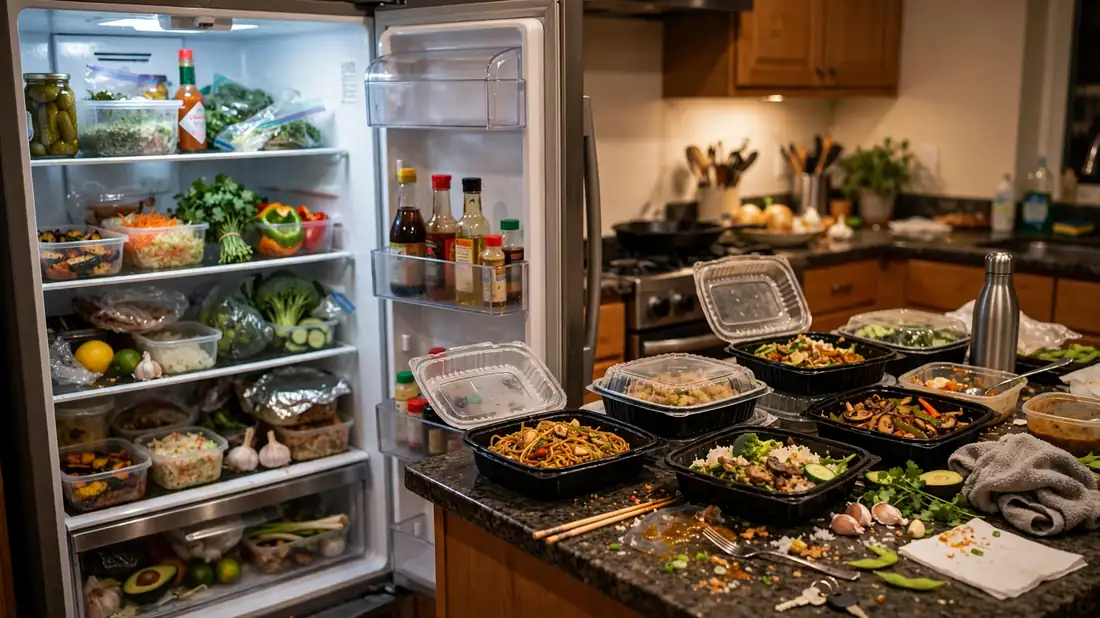
Meal planning does not fail because people are lazy. It fails because a blank week is too many decisions at once: five dinners, two lunches, a budget, three dietary quirks, and whatever is already going soft in the crisper. So people open the fridge, stare, and order takeout. I have done this dance myself for years. The fix is not more willpower. It is a planning partner that does the heavy combining for you. ChatGPT is weirdly good at this specific job, because meal planning is mostly constraint-satisfaction: given what I have, what I can spend, and what my people will eat, produce a week of dinners. That is exactly the kind of puzzle language models were built for. This guide shows you how to get a real weekly plan out of it in about fifteen minutes.
What ChatGPT Is Actually Good At Here
Let me set honest expectations. ChatGPT will not cook your chicken. What it does well is turn a pile of constraints into a coherent week: seven dinners that share ingredients so nothing rots, a grocery list grouped by store section, prep-time estimates, and swap ideas when plans change. Give it 'four people, one vegetarian teenager, thirty minutes max on weeknights, $130 grocery budget' and it returns something usable. Where it falls flat is knowing your kitchen. It has no idea you already have rice, oil, and half a bag of onions, so it will list them anyway. It does not know your store's prices. It sometimes invents ingredients with quiet confidence. All of that is manageable once you know where the weak spots are. Think of it as a sous chef who plans brilliantly but never looks in your fridge. You stay the boss.

Step One: Gather Your Constraints Before You Type
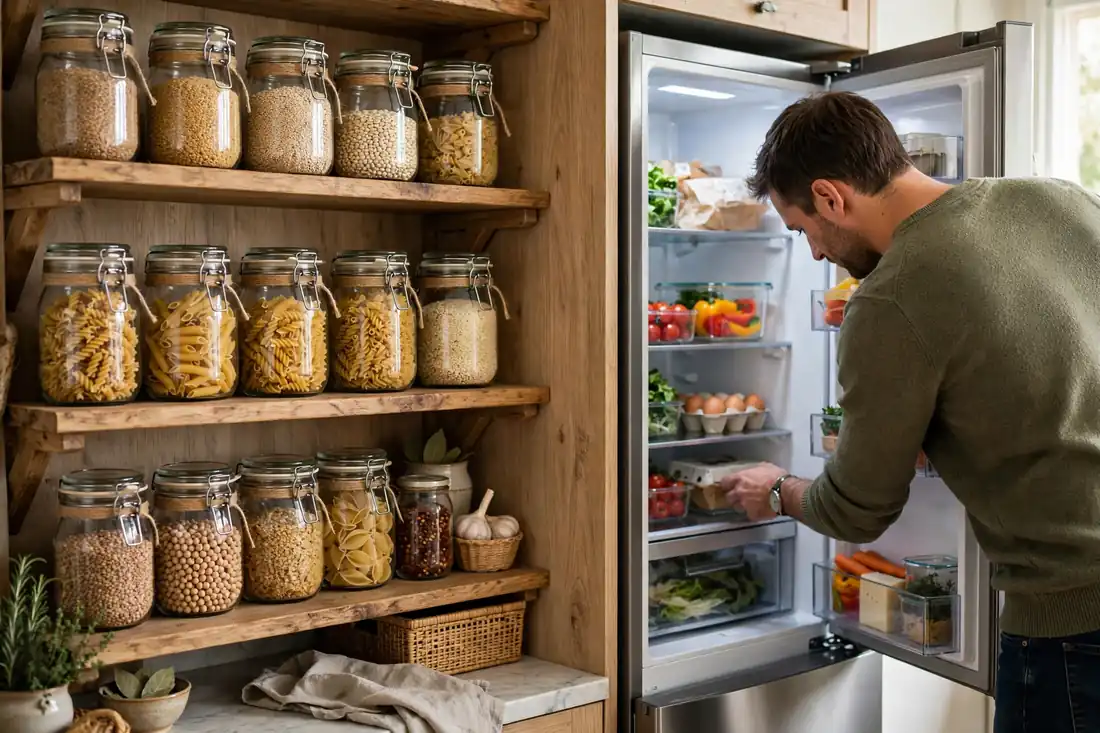
The plan is only as good as the input. Spend five minutes writing down four things. First, the headcount and the dietary picture: who is vegetarian, who hates fish, who has a nut allergy. Second, your real weekly grocery budget and the store you shop at, since that shapes realistic prices. Third, your honest weeknight time limit: thirty minutes, forty-five, or the full hour. Fourth, open your pantry and fridge and list the staples you already have: rice, pasta, canned tomatoes, oil, spices. This last list is what separates a $140 plan from a $90 one. Skip it and the model plans for a kitchen that started empty, doubling up on staples you already own. Also note any appliances you actually use: air fryer, slow cooker, Instant Pot. That one detail steers the whole plan toward recipes you can really cook. Write it all in plain words on your phone's notes app. You will paste this into every prompt for the next few weeks, so make it once and keep it.
- How many mouths, and what will they not eat (dietary needs, dislikes, allergies)
- Budget for the week, and which stores you actually shop at
- Max cooking time on a weekday, plus how you feel about leftovers
- Pantry and fridge staples you already own, so it does not rebuy them
The Starter Prompt You Can Copy
Here is a prompt you can paste straight in. Adjust the numbers to your life: 'Plan seven dinners for a family of four for next week. One adult is vegetarian, everyone likes Mexican and Italian food, nobody eats fish. Keep weeknight cooking under 35 minutes, Saturday can be longer. Grocery budget $130 at a standard US supermarket. We already have: rice, pasta, canned tomatoes, olive oil, flour, onions, garlic, basic spices, frozen chicken breasts, eggs. Output: a table with day, meal, prep time, and whether it makes leftovers. Then a grocery list grouped by store section with quantities. Then three swap ideas for the vegetarian adult.' Notice the details: servings, the budget, the pantry, the output format. Every vague prompt returns a vague plan. Every specific constraint gets absorbed. This is the prompt that earns you a genuinely useful week. Save it somewhere you can find it again.
How to Iterate: Swaps, Picky Eaters, and Leftovers
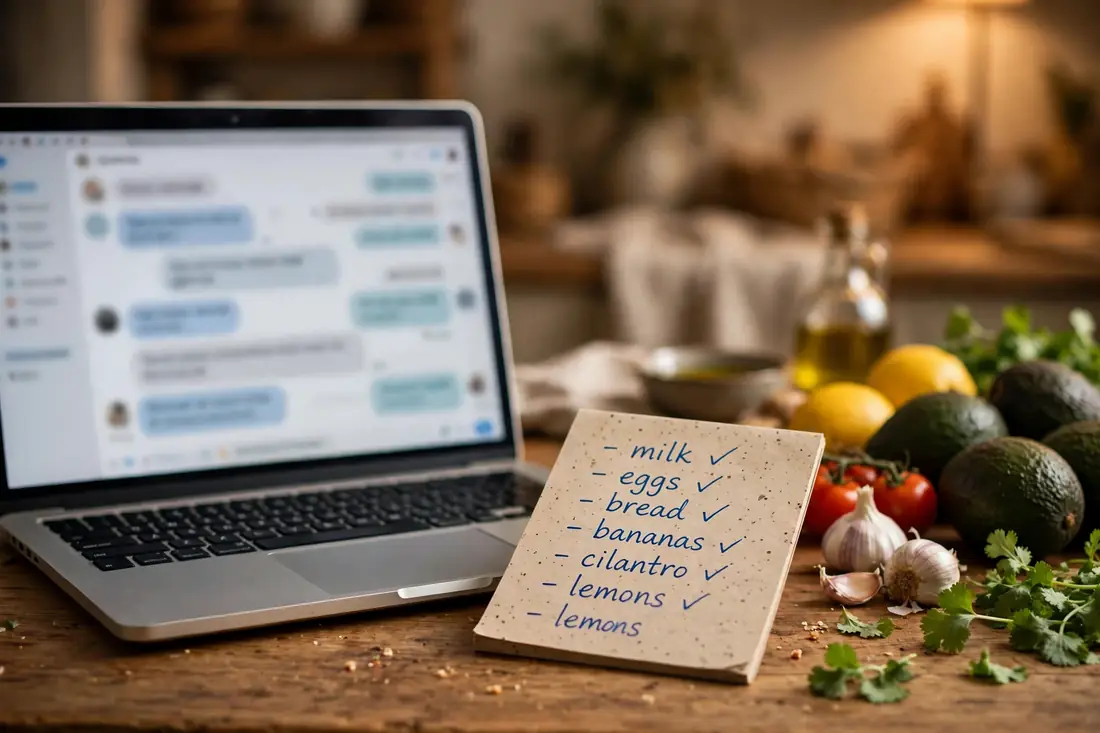
The first draft is never the final draft. That is fine, because iteration is fast. Tell it what is wrong in plain words: 'Make Wednesday meatless,' 'replace the salmon bowl, nobody likes salmon,' 'Tuesday has too many ingredients.' ChatGPT keeps the thread, so each fix is one sentence instead of rebuilding the week. For picky eaters, name the actual problem: 'my six-year-old will not eat anything mixed' gets you deconstructed meals like taco night where toppings sit separately. Leftovers are the free money of meal planning: ask it to 'design three dinners around one roast chicken on Sunday' and the whole week gets cheaper. I usually spend three to five minutes on this pass. The trick is treating the first answer as a rough draft and your follow-ups as the real editing.
Turn the Plan Into a Grocery List That Survives the Store
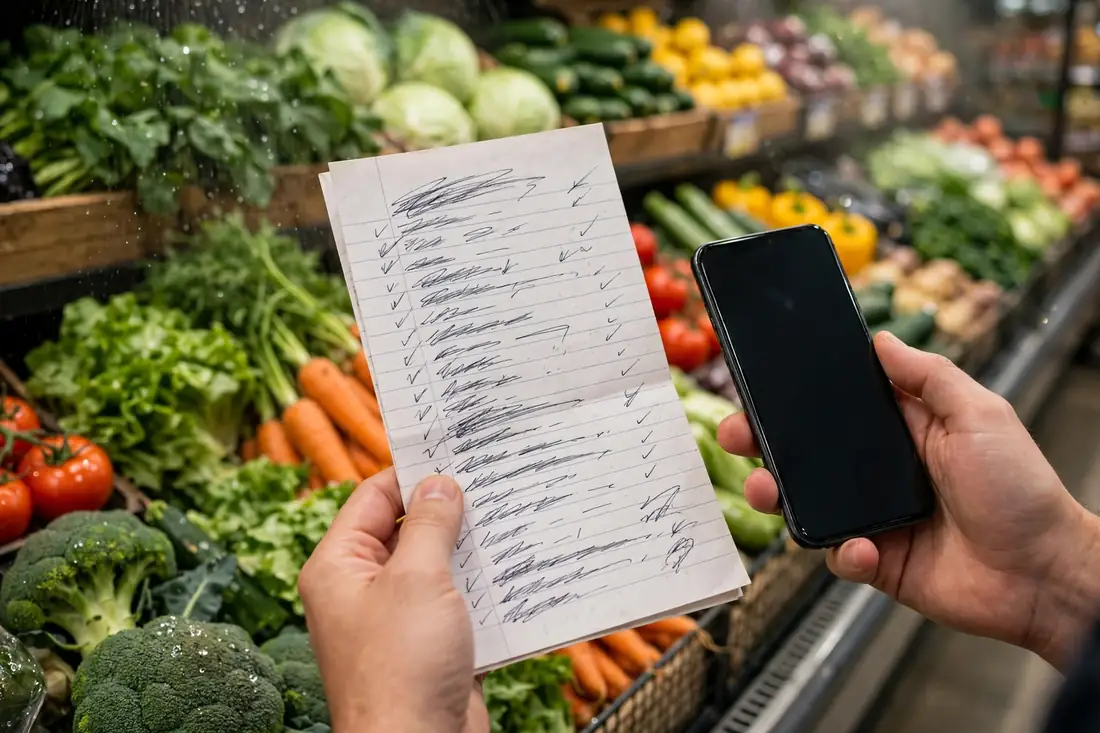
A plan without a list is a fantasy. Ask ChatGPT for the grocery list separately, grouped by store section: produce, dairy, meat, frozen, pantry, spices. This ordering matters more than you think. A random list sends you zigzagging through the store; a sectioned list turns shopping into one pass. Then do the one thing that saves real money: walk your pantry and cross off what you already have before leaving. The model guessed your pantry from memory. You know better. I also ask for approximate quantities in units I can buy: 'two pounds of ground turkey,' 'one bunch of cilantro,' not vague handfuls. Some weeks I send the list to my store's pickup app and skip the aisles entirely. The whole shopping trip drops to under an hour, including pickup.
Sunday Prep: Cook Once, Eat Easy All Week
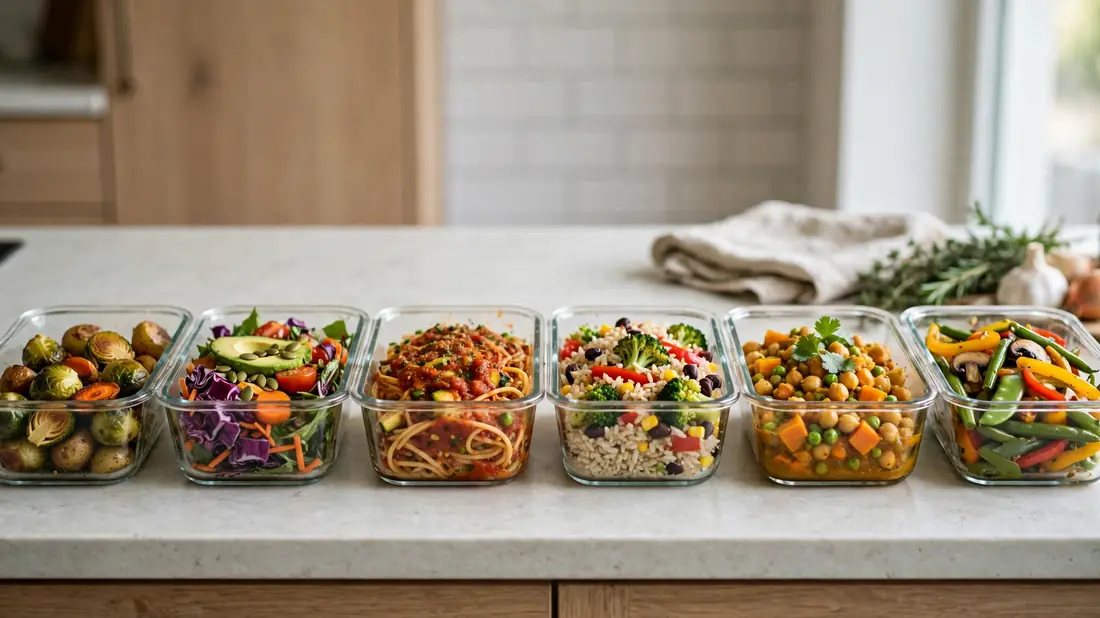
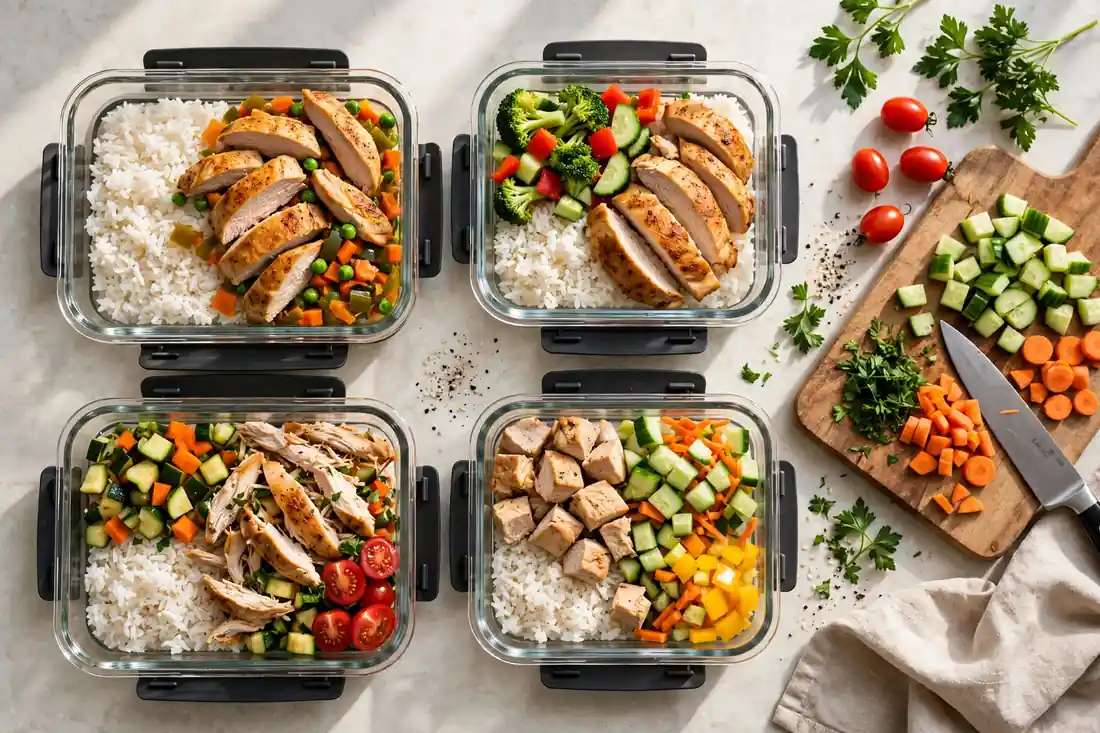
Sunday afternoon is where the week gets easy. You do not need a full day of meal prep. Ninety minutes buys you a week of fast dinners. Cook one big batch of grains and one versatile protein. Chop the vegetables that survive a few days: carrots, peppers, cabbage, celery. Skip prepping anything delicate like lettuce until the day. Make one sauce that does double duty, a peanut-lime dressing or a garlic-herb vinaigrette, because the same chicken and rice tastes different with different sauce. Cool everything before it goes into containers, and do not skip this: hot food in a sealed box sweats and turns soggy by Wednesday. Label the containers with masking tape and a marker, because Thursday-you will not remember what is in there. Stack them with Monday and Tuesday in front so the oldest gets eaten first. This routine is the difference between a plan you follow and a plan you admire on paper.
- Cook one big grain (rice, quinoa, or farro) and one protein (shredded chicken or seasoned ground turkey)
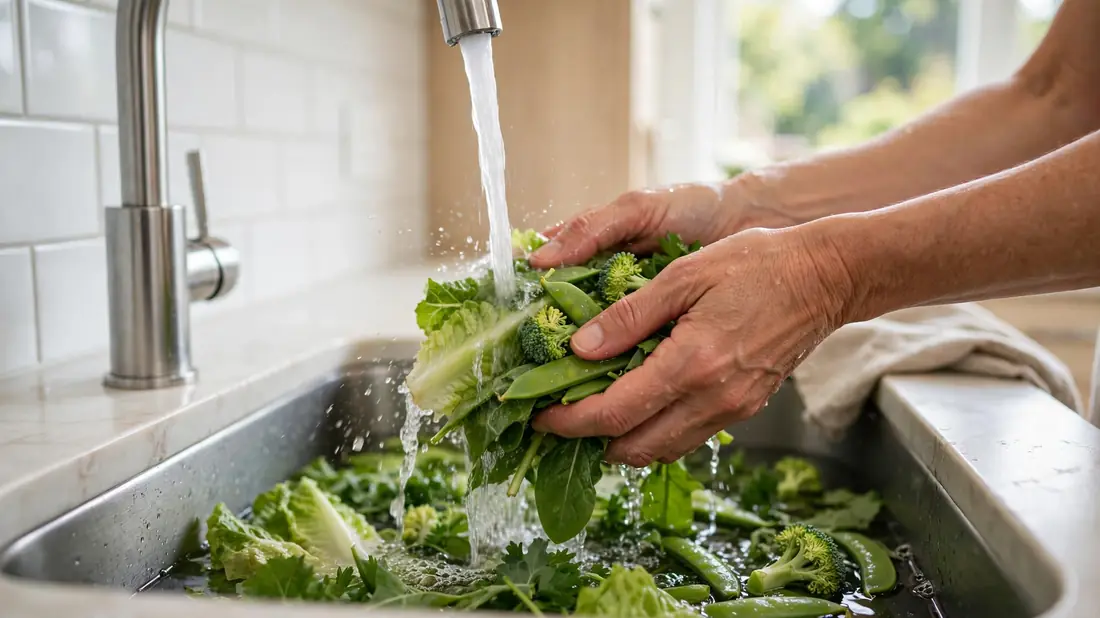
- Wash and chop the week's hardy vegetables: carrots, peppers, cabbage, celery
- Mix one sauce or dressing that appears in two meals, like peanut-lime or garlic-herb
- Portion snack vegetables and fruit so weeknight cooking stays fast
The Food Safety Ground Rules
Cooking ahead means storing food, and storing food has rules worth knowing. Cool cooked food within two hours before refrigerating. Most cooked food keeps in the fridge for three to four days. If a meal needs to last longer, freeze it the same day you cook it. Thaw frozen food in the fridge overnight, not on the counter. When you reheat, bring it to steaming hot all the way through. These are the basics from food-safety guidance, and they matter more when you are cooking for the whole week. If something smells off or has been sitting around longer than you planned, throw it out. A wasted container of rice costs a dollar. Guessing about leftovers costs a week of your stomach. Your nose and a calendar are your best tools here.
When the Week Goes Sideways
No week survives contact with real life. Someone gets sick, a meeting runs late, a soccer practice moves. The plan has to bend. Keep two 'escape hatch' meals in your rotation: things you can make in fifteen minutes from pantry staples, like quesadillas or fried rice. When Tuesday collapses, you play the escape hatch and bump Tuesday's planned meal to later. Tell ChatGPT about the change too: 'We did not cook Monday's meal, shift everything forward and cut one dinner.' It reshuffles the grocery list so the unused ingredients still get used. I also keep a rule: if more than two nights change, stop following the plan and just cook what is freshest. A plan is a tool, not a boss. The goal is feeding people, not perfect compliance. And once the dust settles, ask ChatGPT to rebuild next week's plan from the leftovers of this one, so nothing you bought goes to waste.

Honest Limits: Where the AI Lets You Down
Now the part nobody else writes. ChatGPT does not know your store, so its prices are guesses based on training data. A $130 budget plan might ring up at $148, or at $115, depending on your zip code and the season. It cannot see what is in your fridge, so its lists include things you own. It sometimes invents confident-sounding ingredients that do not pair well in real cooking, especially with baking. And on allergens, be careful: the model is not a doctor and not a label reader. If someone in your house has a real allergy, verify every product label yourself. None of this makes the tool useless. It makes it a drafting assistant. You bring the kitchen knowledge, the budget sense, and the final say. With that division of labor, it saves you an honest two to three hours a week.

✅ Guide4U Checklist
- List headcount, diets, and dislikes first
- Set a real budget and weeknight time limit
- Type out the pantry staples you own
- Paste the constraints into a detailed prompt
- Review the draft and ask for swaps
- Cross pantry items off the grocery list
- Prep grains, protein, and veg on Sunday
Key Takeaways
- The plan is only as good as your input: budget, diets, time, and pantry.
- Treat the first plan as a draft and iterate with one-sentence fixes.
- Sunday prep and a pantry cross-off are what make the plan survive the week.
Frequently Asked Questions
How long does ChatGPT meal planning actually take?
For a family of four, budget around 15 to 20 minutes the first time: five minutes typing your constraints into a good starter prompt, ten minutes reviewing and fixing the output. Once you have a template prompt that works, it drops to five minutes. The real time savings show up at the store, where you stop wandering aisles and impulse-buying.
Can I trust it with dietary restrictions?
Yes, with two caveats. ChatGPT follows the constraints you give it, so write them out: 'gluten-free,' 'no tree nuts,' 'under $150 a week for five.' Then read the output with your eyes open. AI does not know your fridge or your pantry, and it can be confidently wrong about ingredient lists. Treat every plan as a first draft that you verify.
Will this replace my recipe apps?
Not alone. Use it for the planning and the grocery list, then cook for one week and see what your family actually eats. Most people find one or two meals in the plan flop, and that is normal. Keep the winners, tell ChatGPT to replace the losers, and after two or three weeks you have a rotation that feels like yours.
Does it work for a tight grocery budget?
It can, with some hand-holding. Set clear constraints: weekly budget, meals per day, servings, max cook time, cuisine rotation. It can even stretch one bag of groceries across five dinners. Just remember it does not know local prices, so the $120 weekly budget you give it is a target, not a receipt. Check the list against your store before you shop.
What did you think of this article? Share your opinion in the comments below — we would love to hear from you.