
How to Save Money on Groceries Each Month
Quick Answer
Plan your meals for the week, shop your pantry first, and buy store brands instead of name brands for the basics. Compare unit prices, shop once a week, and use your freezer for sale items and leftovers. Most households see the difference within the first month.
Start With a Meal Plan, Not a Shopping List
A grocery budget rarely blows up on one big purchase. It leaks a little at a time: a bag of chips here, a sauce you already own there, a fancy cut of meat you grabbed because it looked good. A meal plan plugs those leaks before you leave the house. Sit down once a week, look at what you already have, and pick five or six dinners you will actually cook. Write the plan on the fridge or in a notes app where everyone can see it. The plan does two jobs at once: it tells you exactly what to buy, and it gives you an answer at 5 p.m. when everyone asks what is for dinner. That answer is worth money, because the nights without a plan are the nights you order takeout or grab something pricey at the store.
Shop Your Pantry First
Before you write a single item on the list, open the pantry, the fridge, and the freezer and take stock. Most kitchens hold a surprising amount of food that never gets used: half a bag of rice, three cans of beans, a jar of pasta sauce bought on sale months ago. Build at least two meals a week around what is already there. This one habit does more than save money. It stops food from going stale in the back of a cupboard, and it shrinks the list you take to the store. A good rule is simple: if you already own it, you do not buy it again. Keep a running list on the fridge of pantry items that are running low, and add to it through the week instead of guessing at the store.
Store Brands Are the Easiest Win
If you change nothing else about how you shop, change this one thing. Store-brand staples like rice, pasta, canned tomatoes, flour, sugar, and frozen vegetables usually cost a lot less than the name brands sitting right next to them, and the food inside is often made in the same factories. I started with the boring stuff: oats, broth, peanut butter, and paper towels. Nobody in my house noticed a difference, and the savings showed up on the very first receipt. You do not have to switch everything at once. Try one store-brand item each trip and keep the ones your family likes. For a few products, the name brand really does taste better to you, and that is fine. Keep those. The win comes from the twenty items where it makes no difference at all.
Learn to Read Unit Prices
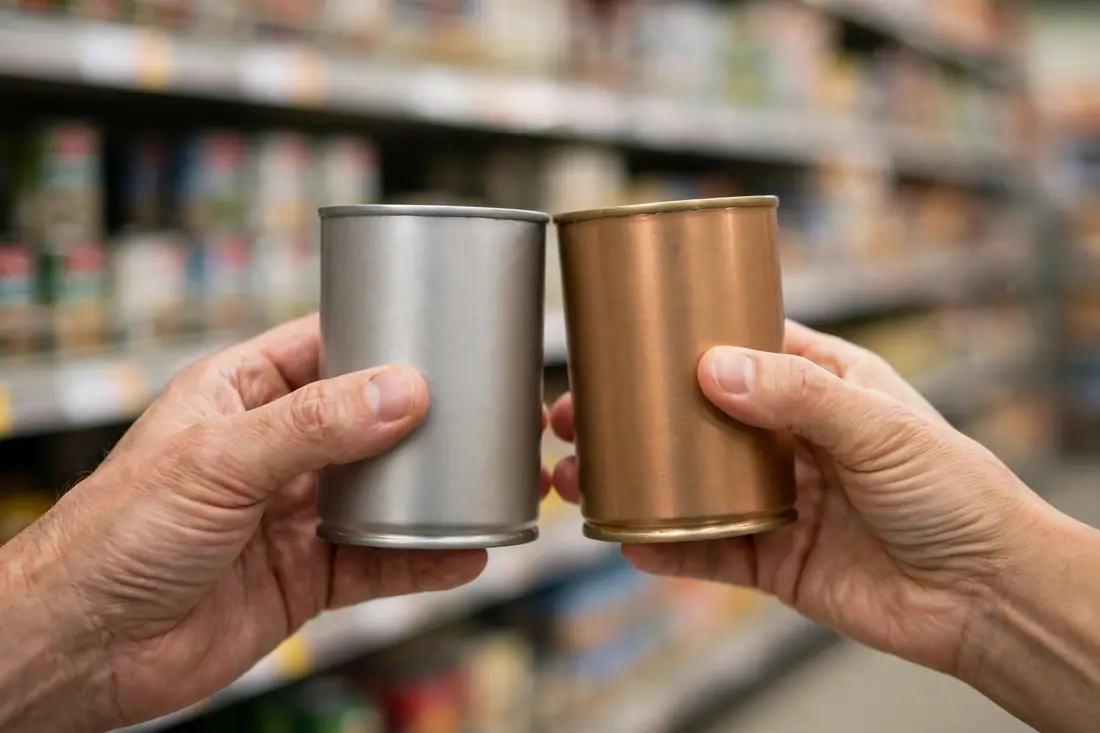
The price tag on the shelf tells you what a box costs, but the small print underneath tells you what the food inside costs. That small number, the unit price, is usually shown per ounce or per pound, and it is the only fair way to compare two packages. A big bag of rice looks expensive until you see that it costs half as much per pound as the small one. A bottle of dish soap on sale can still cost more per ounce than the bigger bottle at full price. Store-brand items often win here too, but not always, so the unit price is the check that keeps you honest. Once you get used to glancing at it, the habit takes about two seconds per item and it quietly steers you toward the better deal every single trip.
Buy Seasonal Produce and Stock Up on Sales
Fresh produce is where grocery prices swing the most, and the season is usually the reason. Strawberries in June cost a fraction of what they cost in January, and they taste better too. Build your weekly meals around what is in season and on sale rather than around a fixed recipe, and the same dinner gets cheaper without getting worse. When a pantry staple you always use goes on a deep sale, buy two or three instead of one: rice, pasta, canned beans, and cooking oil keep for months. A small chest freezer pays for itself the same way, letting you freeze berries, corn, and bread at their cheapest. None of this needs a spreadsheet. It just needs a quick look at the weekly flyer before you shop.
- Buy fruit and vegetables in season
- Freeze berries and corn at peak
- Stock pantry staples on deep sales
- Check the store flyer before you go
- Grow herbs on a windowsill
Cut the Meat Bill Without Cutting Meals
Meat is usually the most expensive part of a grocery trip, and it is also the part with the most room to save. You do not have to give it up. Start by cooking one or two meatless dinners a week built on beans, lentils, eggs, or tofu, which cost a fraction of beef or chicken per serving. When you do buy meat, look at cheaper cuts: chicken thighs instead of boneless breasts, pork shoulder instead of chops, ground turkey instead of ground beef. A slow cooker turns those cheaper cuts tender with almost no extra work. You can also stretch meat further by using a smaller amount in a stir-fry, soup, or pasta sauce where vegetables and grains do the heavy lifting. The plate still feels full, and the receipt drops fast.
Let the Freezer Do the Saving
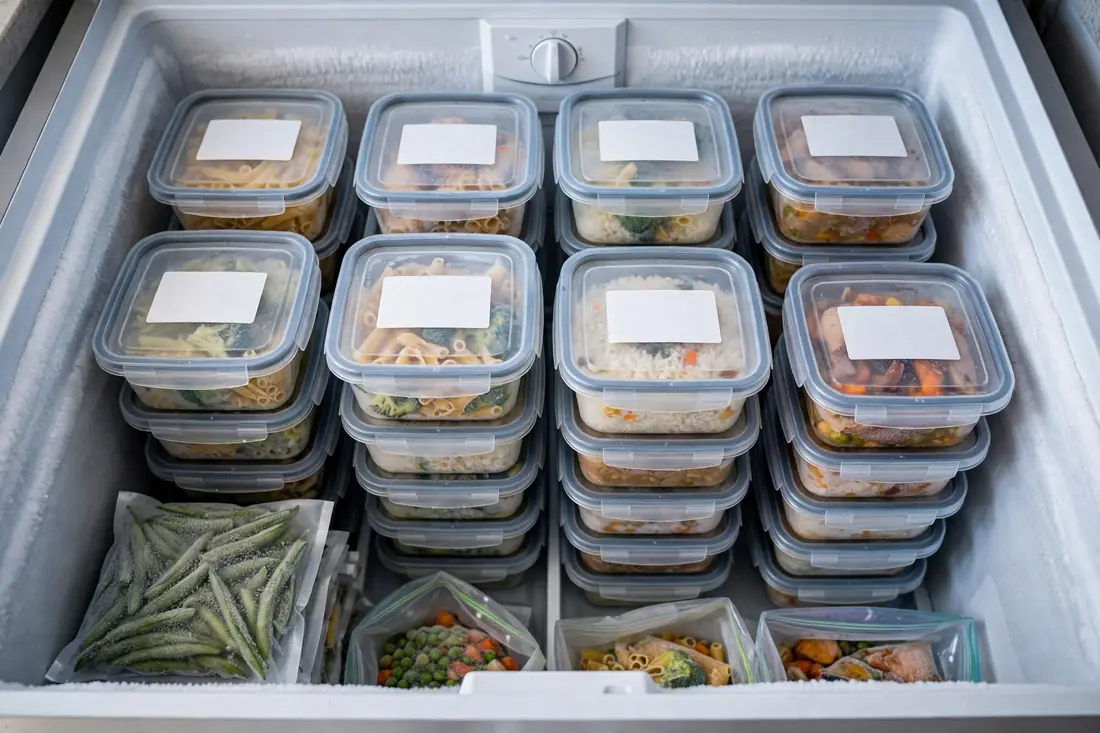
A freezer is the cheapest insurance against wasted food. Bread that would go stale in three days keeps for months once it is sliced and frozen. Meat bought on sale can be split into meal-size portions and frozen the same day. Leftovers that would sit in the fridge until someone throws them out become next Tuesday's lunch. The trick is to treat the freezer like a pantry, not a graveyard. Label every bag with what it is and the date, and keep a short list on the door of what is inside. Once a week, cook one meal from the freezer instead of buying fresh ingredients. Families that do this stop throwing away the food they already paid for, and that alone can cut a grocery bill by a visible amount.
- Freeze bread before it goes stale
- Portion sale meat into meal-size bags
- Save vegetable scraps for stock
- Label everything with the date
- Eat the oldest frozen meal first
Use Loyalty Apps and Digital Coupons
Most big grocery chains now run free loyalty programs, and the discounts are real if you use them the right way. Download your store's app and check the digital coupons before you shop, then clip only the ones for things you already buy. Chasing a coupon for a product you would never buy is not a saving, it is a trap. Cashback apps work the same way: a few dollars back on milk, eggs, or diapers adds up over a month, but only if the app does not push you toward brands you do not need. Stack the savings where you can: a sale price plus a digital coupon plus a loyalty discount on the same item is the best deal in the store. It takes about five minutes before a trip, and it beats clipping paper coupons at the checkout line.
Shop Less Often and Skip the Extra Trips
Every extra trip to the store costs money, even when you only went in for milk. The milk trip turns into a basket with snacks, a magazine, and a bottle of something you forgot you wanted. Shopping once a week, with a real list, cuts those leaks out at the root. If you run out of something midweek, try to cook around it instead of driving back. A missing ingredient is often a chance to use up something else in the pantry. Online grocery pickup helps some families too, because you cannot wander the aisles and grab things that were not on the list. The delivery fee is often smaller than the impulse buys it prevents. Fewer trips also mean less gas and less time, which is a saving of its own.
Track One Number Every Week
None of these habits work if you never look at the total. Pick one number and watch it: what you spent on groceries this week. Write it on the fridge, in a notes app, or on a scrap of paper stuck to the pantry door. Compare it with last week, not with some ideal budget from the internet, because your household is the only one that matters. If the number drops after you start planning meals and buying store brands, you know the system works, and that keeps you going. If it creeps back up, look at the last few receipts and find the leak: usually it is takeout, extra trips, or food thrown away. A grocery budget is not a punishment. It is just a number you check once a week, and once you see it move, saving gets a lot easier.
✅ Guide4U Checklist
- Plan five dinners before you shop
- Check the pantry before the list
- Compare unit prices, not sticker prices
- Buy store brands for basic staples
- Shop once a week, not daily
- Freeze sale meat and leftovers
- Track your weekly grocery total
Key Takeaways
- A meal plan saves more than any coupon
- Store brands are the easiest win in the store
- Fewer trips mean fewer impulse buys
Frequently Asked Questions
How much can I really save on groceries each month?
It depends on your starting point, your household size, and where you live, so no honest guide can promise a fixed number. A household that plans meals, switches the basics to store brands, shops once a week, and stops throwing food away usually notices a clear difference within the first month. The biggest savings tend to come from cutting takeout and wasted food, not from extreme couponing.
Are store-brand foods really as good as name brands?
For most pantry staples, yes. Store-brand rice, pasta, canned vegetables, flour, and frozen produce are often made in the same factories as the name brands, and blind taste tests rarely separate them. Compare the ingredient list if you are unsure, and try one item at a time. Keep the name brand only for the few products where your family can honestly tell the difference.
Is buying in bulk always cheaper?
No, not always. Bulk is cheaper only when the unit price is lower and you will actually use everything before it spoils. A giant bag of chips that goes stale or a tub of berries that molds in the fridge costs more than the small pack. Check the unit price, think about storage space, and skip bulk for anything your household eats slowly or that goes off quickly.
How do I stop impulse buys at the store?
Shop with a list and a full stomach, and stick to the list. Never shop hungry, since that is when the snacks and treats jump into the cart. Skip the aisles you do not need, and give yourself a simple rule: if it is not on the list, it waits until next week. Most impulse buys lose their appeal by the time you get home, which is the whole point of the pause.
What did you think of this article? Share your opinion in the comments below — we would love to hear from you.