
How to Clean a Mattress at Home

Quick Answer
Strip the bed, vacuum the whole mattress with an upholstery attachment, and spot-clean stains with mild dish soap and cold water, blotting instead of rubbing. Sprinkle baking soda over the surface, let it sit for at least four hours, then vacuum it off. Never soak the mattress, and let it air dry fully before you make the bed again.
Why Your Mattress Gets Dirty (Even With Sheets On)
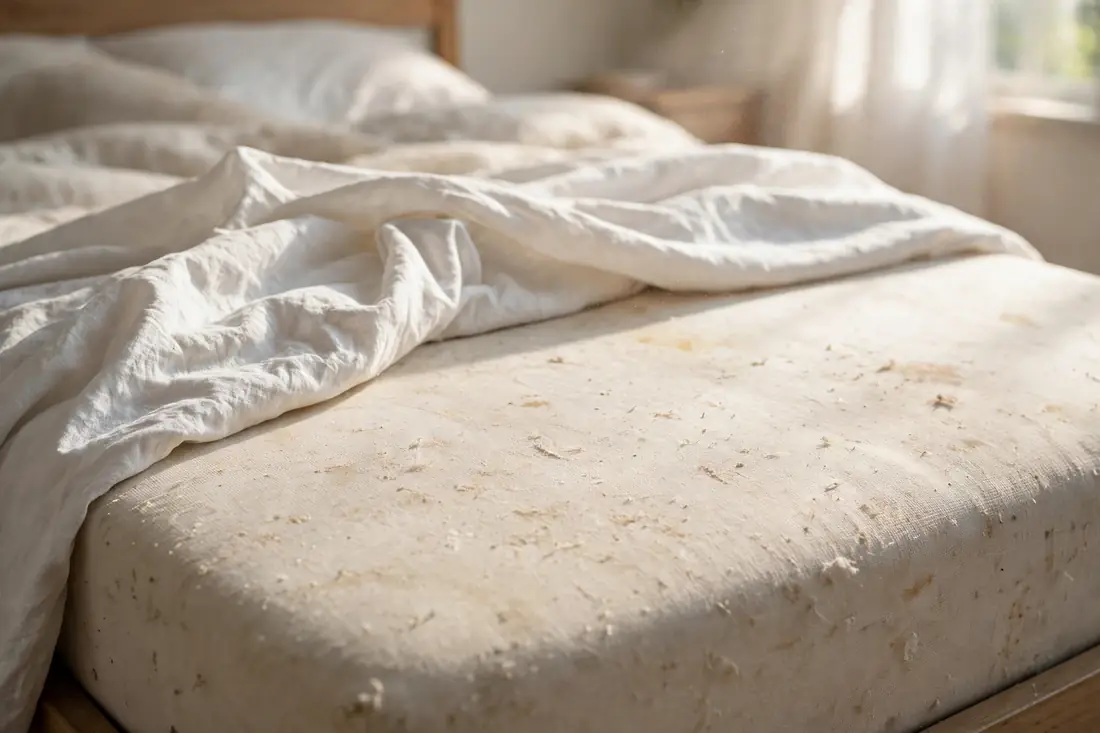
Sheets and a mattress pad catch a lot, but they do not stop everything. Every night you shed skin cells, sweat a little, and breathe warm air into the fabric, and that moisture and debris work their way past the sheets over months. Dust mites settle in, pet hair drifts down, and one spilled coffee or a sweaty summer night leaves a mark that slowly sets. You cannot see most of this, which is why mattresses are easy to ignore, but it adds up: a mattress you never clean can hold more dust and grime than you would like to think about. The fix is simple, though. A solid cleaning every six months keeps your bed fresh, and it takes less than an hour of real work.
Strip the Bed and Start With a Deep Vacuum
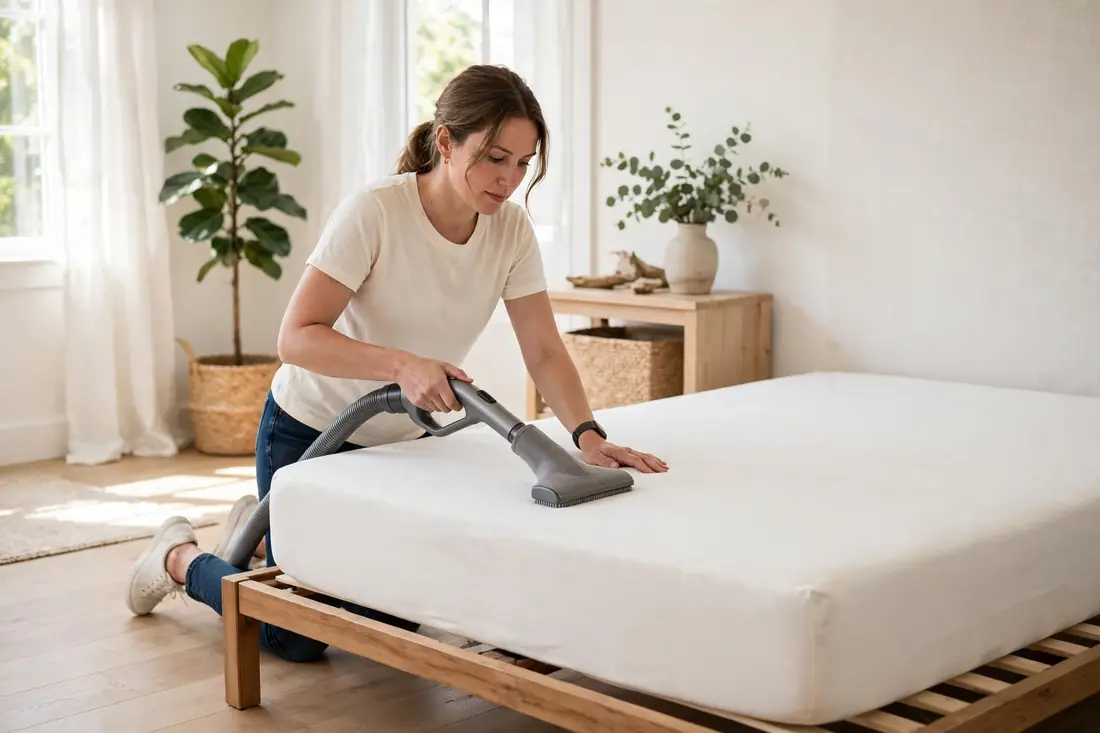
Start by stripping the bed completely: sheets, pillowcases, mattress pad, and any topper all come off and go straight into the wash. While they run, vacuum the bare mattress from top to bottom using the upholstery attachment, working in slow, overlapping passes so the suction pulls dust and skin cells out of the fabric. Pay close attention to the seams, piping, tufts, and buttons, since dust and mites collect in those little folds. Flip the mattress if yours is made to flip, or at least tilt it to vacuum the sides. This one step removes most of what makes a mattress feel tired, and it costs nothing but ten minutes of your time.
- Vacuum with an upholstery attachment
- Vacuum the sides, seams, and tufts too
- Wash the sheets and pad in hot water
- Open a window for fresh air while you work
How to Spot-Clean Stains the Right Way
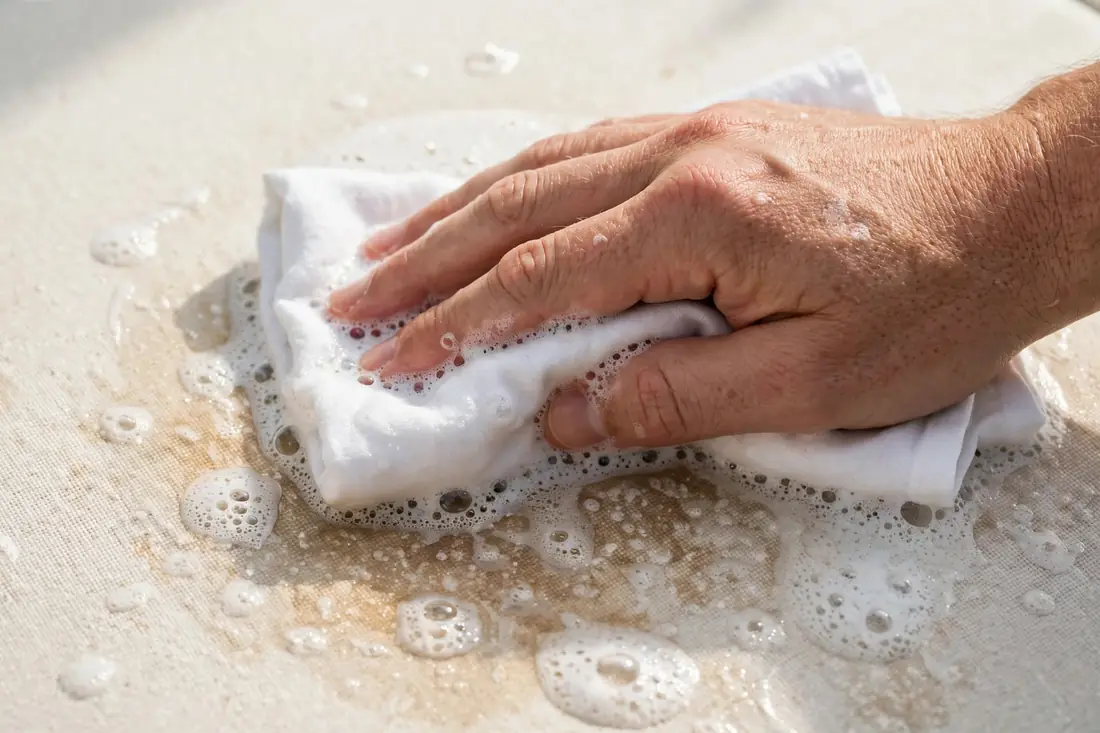
For most stains, a little mild dish soap and cold water is all you need, and the technique matters more than the product. Mix a few drops of dish soap into a cup of cold water, dip a clean white cloth into it, and dab the stain gently, working from the outside edge toward the center so you do not spread it. Blot, never rub, because rubbing pushes the stain deeper into the fibers and can damage the fabric. Rinse the cloth in plain cold water and dab again to lift the soap out, then press a dry towel over the spot to pull up moisture. Repeat in small rounds rather than flooding the area. For a fresh spill, blot up as much as you can first with a dry towel, and skip hot water, which can set protein stains like sweat and blood.
Baking Soda: The Cheap Trick That Removes Odors
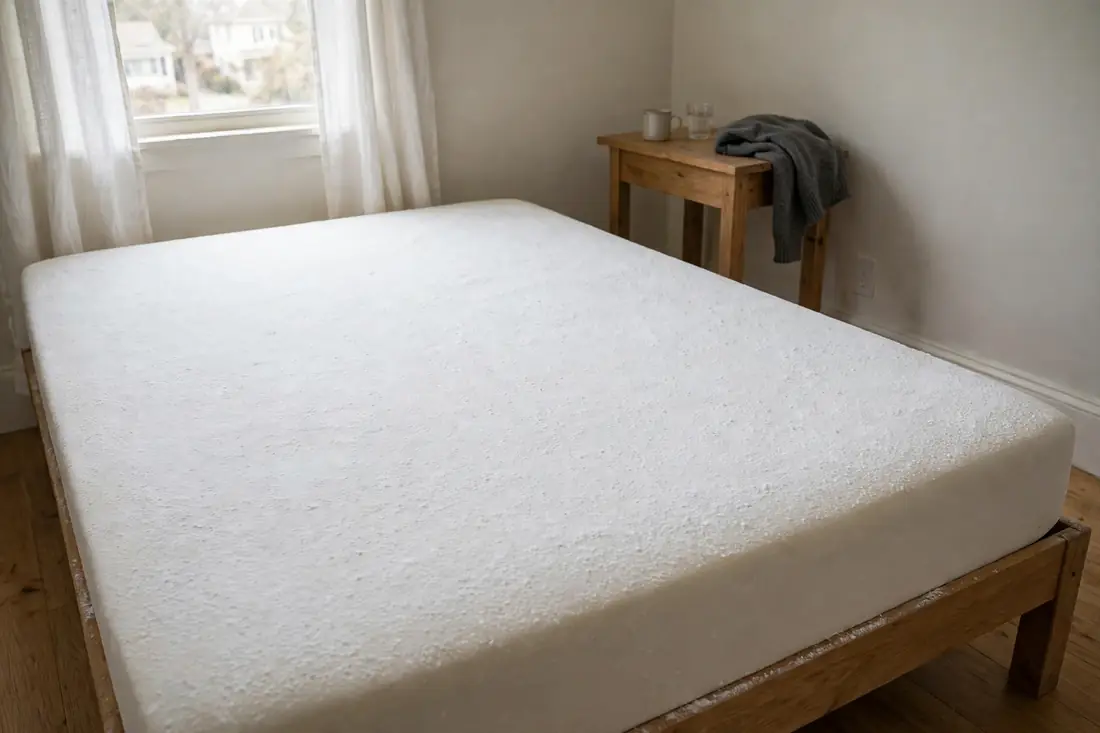
If your mattress smells stale or musty, plain baking soda is the best tool you have, and it costs about a dollar a box. Sprinkle a generous, even layer over the whole surface, a full box for a queen-size bed, and let it sit for at least four hours. Overnight is better if you can spare the bed, since the powder needs time to soak up odors and moisture trapped in the top layers. While you wait, the baking soda does the quiet work of pulling out the smells that vacuuming cannot reach. When the time is up, vacuum it all off slowly, making a second pass to catch the fine dust left behind. The mattress will smell noticeably fresher, and you have not used a single harsh chemical.
Never Soak a Mattress (and What to Do If It Gets Wet)
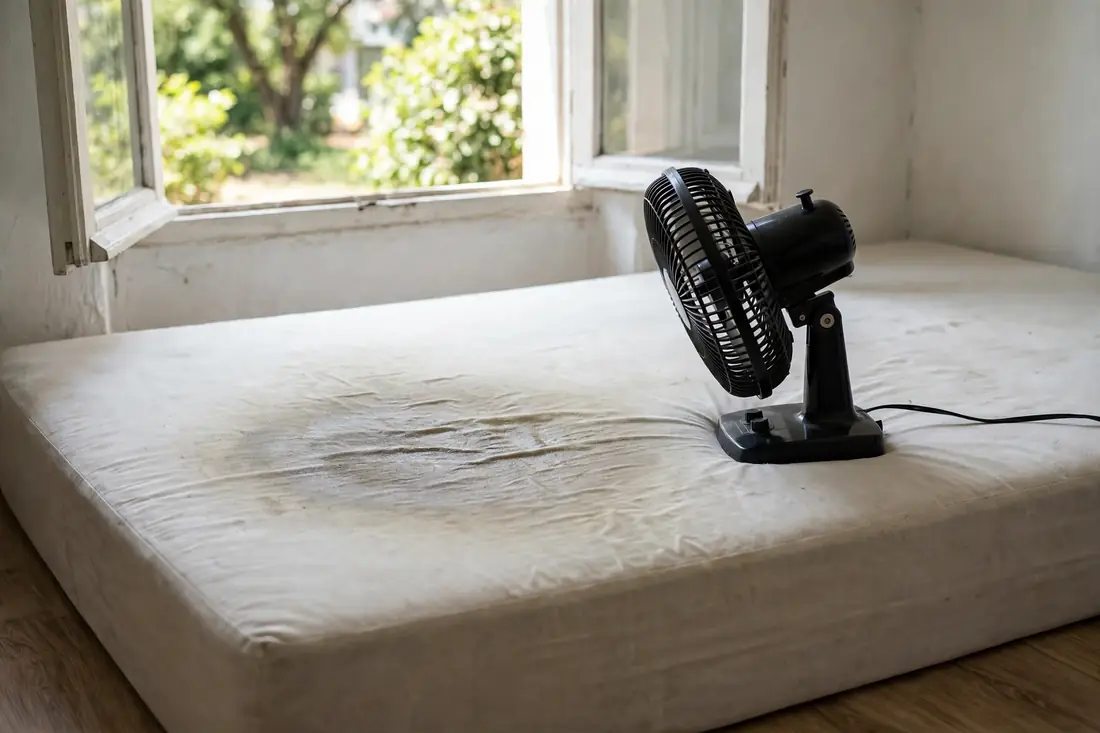
Here is the rule that matters most: never soak a mattress. Pouring water on it, or using a steam cleaner with a heavy hand, drives moisture deep into the layers where it cannot dry out, and that trapped dampness is an open invitation to mold and mildew. A wet mattress can take days to dry in the middle, even when the surface feels dry to the touch. If a spill does soak in, blot up every drop you can with dry towels, then point a fan at the spot and let it run for hours, flipping the mattress if possible. A little sunshine through an open window helps too. Use as little liquid as you can in every cleaning step, and your mattress will last years longer.
Memory Foam, Latex, and Innerspring: Know Your Mattress Type
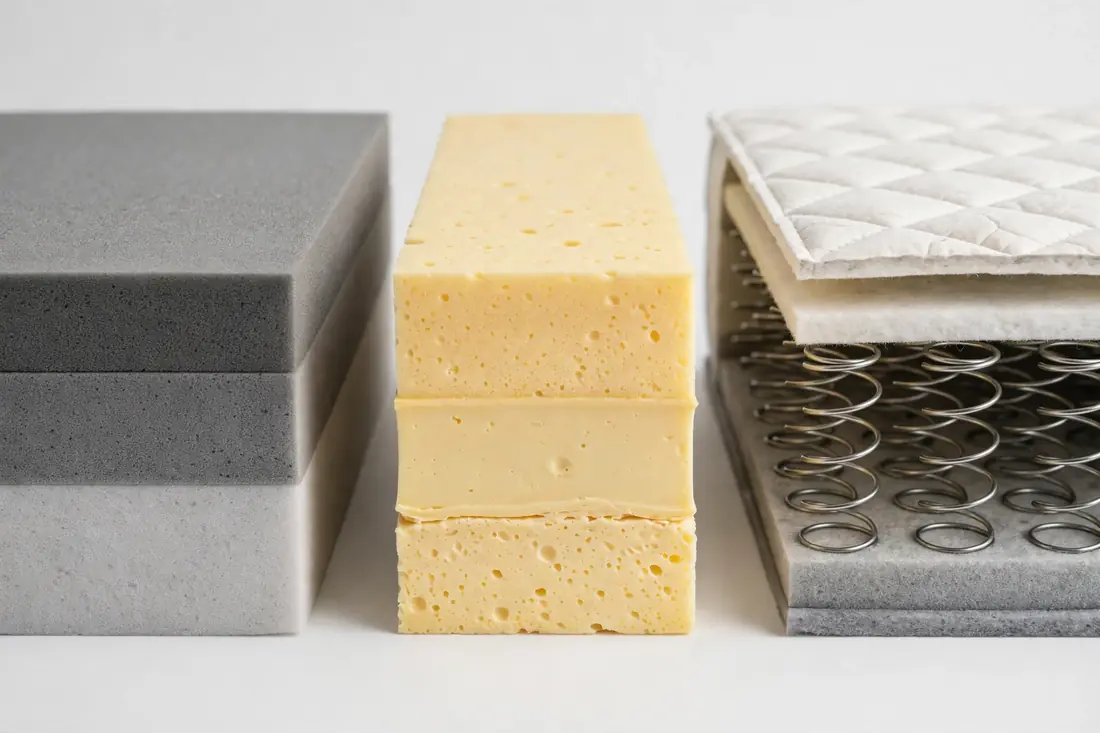
Not every mattress handles cleaning the same way, so check what type you own before you start. Memory foam is the most delicate: it soaks up water like a sponge and can break down if it stays wet, so use the lightest damp cloth you can and never pour liquid on it. Latex is more forgiving and dries faster, but strong cleaners and direct heat can wear it out, so stick to mild soap and air drying. Innerspring mattresses are the toughest of the three, since air moves through the coils, but the padding on top can still hold moisture, so keep it light there too. When in doubt, check the care tag on the side of your mattress or the maker's website, since a few brands have their own rules.
Drying and Airing It Out
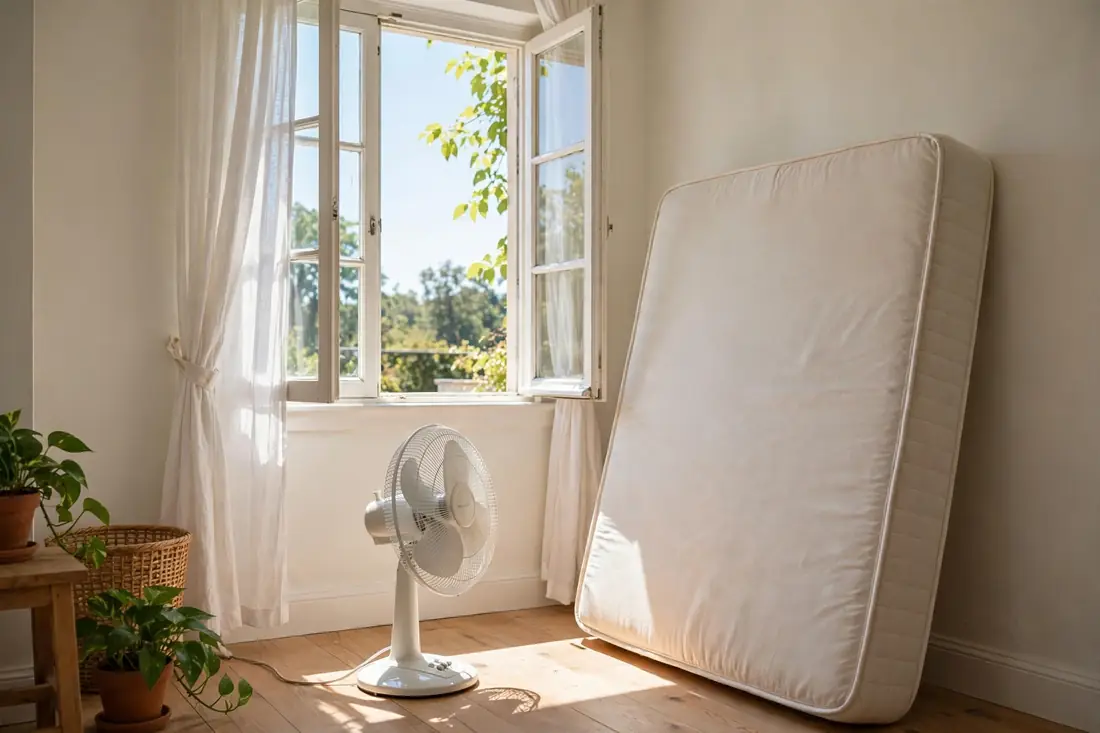
After any cleaning, your mattress needs time to dry and air out before you make the bed again, and rushing this step undoes the work. Leave the bed stripped and open the windows if the weather allows it, since moving air is the fastest way to carry moisture out of the fabric. A fan pointed at the mattress speeds things up a lot, and a dehumidifier in the room helps on humid days. If you can, let it sit uncovered for at least four hours, or overnight after a deeper clean. Sniff the spot before you remake the bed: if it still smells damp, give it more time. A fully dry mattress smells like nothing at all, which is exactly what you want to sleep on.
Cleaning Common Stains: Sweat, Coffee, and Pet Accidents
Different stains need different moves, but the rule is always the same: blot first, use cold water, and keep the liquid light. Sweat and body-oil marks come out with the dish soap and cold water routine, worked in small rounds. Coffee or tea needs the same treatment, but blot up the spill fast before it sets, since a stain that dries in is much harder to lift. For pet accidents, a store-bought enzyme cleaner made for pet messes works best, because it breaks down the smell at the source instead of covering it up; follow the label, and test it on a hidden corner first. For blood, cold water only, since heat sets it fast. With any stain, patience beats force: several gentle rounds beat one hard scrub.
- Sweat and body oils: cold water and dish soap
- Coffee or tea: blot first, then mild soap
- Pet accidents: enzyme cleaner made for pets
- Blood: cold water only, never hot

A Mattress Protector Keeps the Next Mess Away
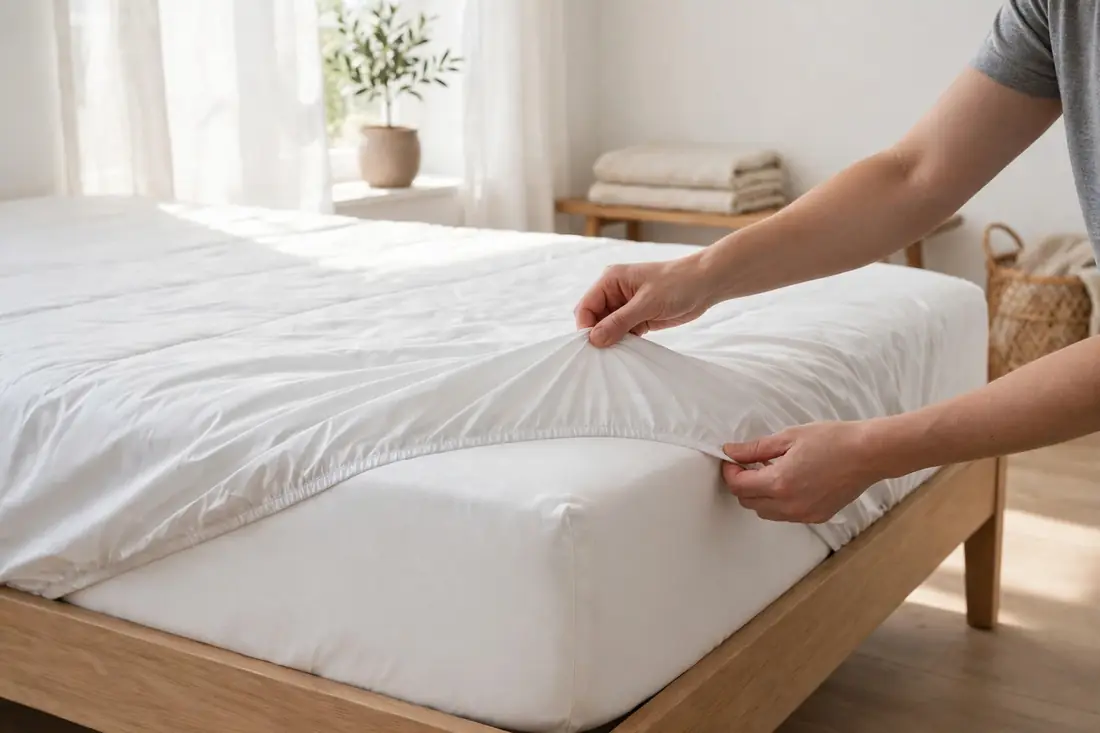
Once your mattress is clean, a waterproof mattress protector is the cheapest way to keep it that way, and a decent one costs about $25 to $50. It is a thin fitted layer that sits under your sheet and blocks sweat, spills, and dust mites from reaching the mattress itself, while still feeling like a normal part of the bed. Look for one that is waterproof but breathable, since a cheap plastic-feeling cover traps heat and makes you sweat more, which defeats the point. Wash the protector with your sheets every week or two, and you will rarely need to deep-clean the mattress again. I skipped a protector for years and paid for it with stains I could not lift. Buy one now, and your next cleaning will be a quick vacuum and a dusting of baking soda.
When to Call a Pro or Replace It
Home cleaning handles most mattress problems, but some signs mean it is time for outside help or a new bed. If a stain or smell stays after two rounds of cleaning, or the mattress smells musty even when it is fully dry, there may be mold growing deep inside where you cannot reach it. The same goes for a mattress that sags in the middle, has a broken spring poking through, or leaves you waking up sore most mornings after eight or more years of use. A professional cleaning service can deep-clean a mattress for roughly the cost of a nice dinner out, and it is worth it for a mattress you love. But if the mattress is lumpy, sagging, or past its useful life, no amount of cleaning will fix the sleep, and replacing it is the better move.

✅ Guide4U Checklist
- Strip the bed and wash the bedding
- Vacuum seams, tufts, and sides
- Blot stains with cold soapy water
- Never rub a stain or soak the mattress
- Sprinkle baking soda and wait four hours
- Vacuum the baking soda off slowly
- Air dry fully before remaking the bed
Key Takeaways
- Vacuum first: it removes most of what makes a mattress feel tired.
- Blot stains with cold water and mild soap, never rub or soak.
- Baking soda and time beat strong chemicals for mattress odors.
Frequently Asked Questions
How often should I clean my mattress?
Give your mattress a deep clean every six months, and vacuum it every time you change the sheets if you can. A quick vacuum once a month keeps dust and skin cells from building up between deep cleans. If you have allergies, pets, or kids, clean it more often, since those add dust, hair, and spills faster than a quiet guest room ever will.
Can I use vinegar to clean a mattress?
A little white vinegar mixed with water can help with odors, but use it sparingly and test it on a hidden spot first. Vinegar is acidic, and too much liquid can soak into foam and leave a smell of its own. For most stains and smells, mild dish soap, cold water, and baking soda do the job better, with less risk to the mattress.
How do I get urine out of a mattress?
Blot up as much as you can with dry towels right away, then use an enzyme cleaner made for pet or human accidents, following the label closely. After it dries, sprinkle baking soda over the spot, let it sit for several hours, and vacuum it off. If the smell stays after two tries, a professional cleaning is the next step, since the liquid may have soaked too deep.
Can I use a steam cleaner on my mattress?
A steam cleaner can kill dust mites on the surface, but it is risky, because it drives moisture deep into the layers where mold can grow. If you use one, keep the passes light and fast, and dry the mattress with a fan for a full day afterward. For most people, vacuuming and baking soda are safer and work just as well.
What did you think of this article? Share your opinion in the comments below — we would love to hear from you.