
How to Get Rid of Pantry Moths

Quick Answer
Find the infested food and throw it out in a sealed bag, then vacuum the shelves and wipe them with hot water and vinegar. Set pheromone traps to catch the remaining moths, and move all dry goods into airtight glass or hard plastic containers. Never spray pesticide near food -- cleaning and sealed storage are what end the problem.
First, Make Sure It Is Really a Pantry Moth
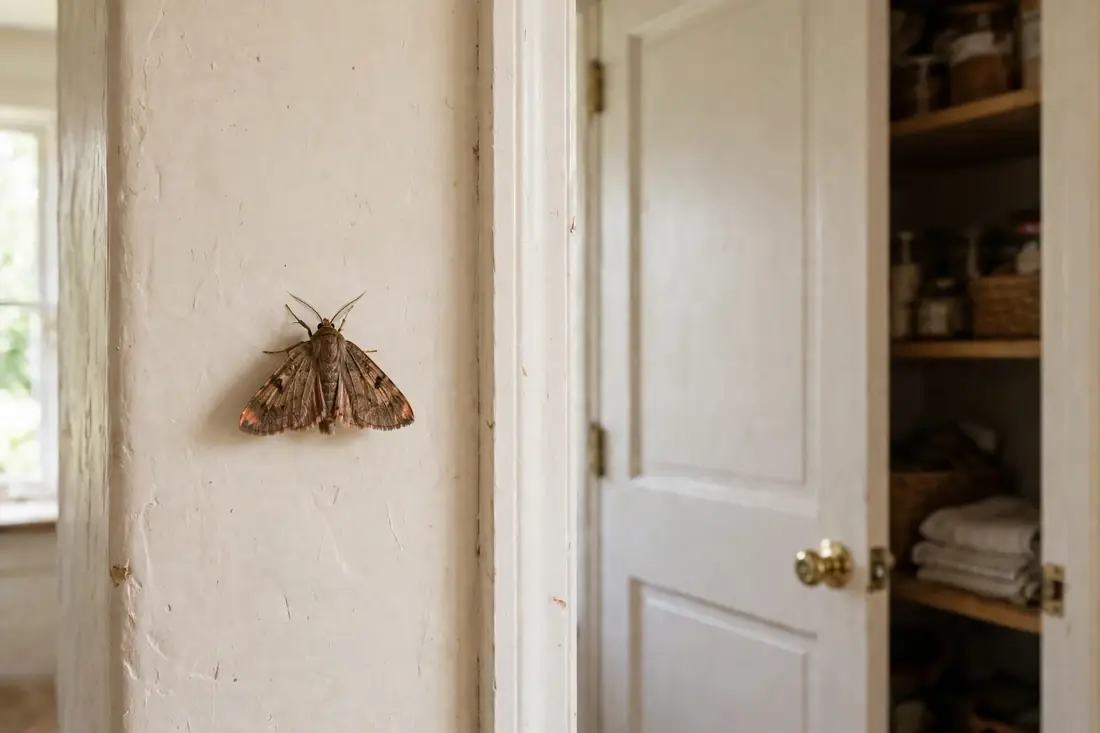
You might see a small brownish-gray moth fluttering around the kitchen at dusk and assume it came in through an open window. Pantry moths, usually the Indianmeal moth, look a little different from the moths that circle your porch light. They are about half an inch long, with wings gray near the head and coppery brown toward the tips. The real giveaway is not the adult moth, though. Open a bag of flour or a box of cereal and look for fine silky webbing, tiny white caterpillars with brown heads, or clumps of grain stuck together. You may also spot small cocoons tucked into the corners of a shelf. If you see any of that, you have pantry moths, and the fix starts in the cupboard, not at the window.
Find the Source Before You Clean Anything
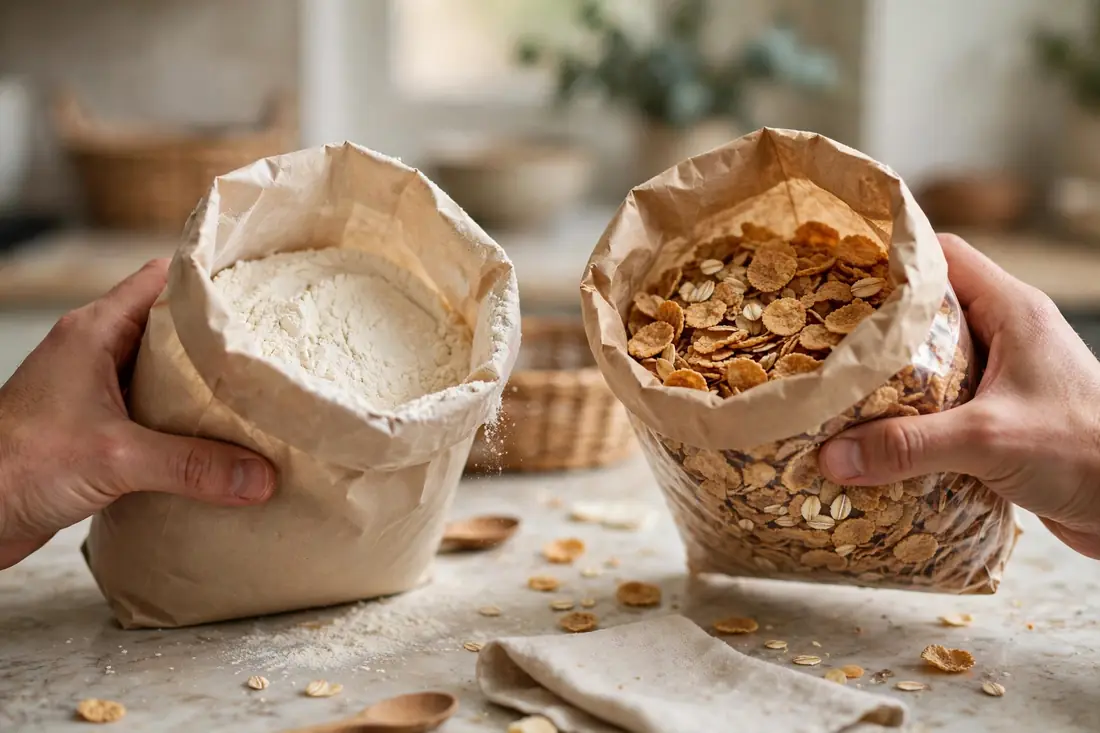
It is tempting to start scrubbing right away, but a deep clean means nothing if the infested bag is still sitting on the shelf. Pull every dry good out of the pantry and check it one by one: flour, rice, oats, cereal, pasta, cornmeal, dried beans, nuts, dried fruit, baking mixes, pet food, and birdseed. Hold each bag up to the light and look inside for webbing, larvae, or tiny dark specks that look like sand. Do not skip the stuff you bought last week, because moth eggs often arrive in the food from the store. Check the back of the pantry too, where old bags get forgotten. Once you know which items are hit, you know exactly what to throw out, and the rest of the job gets much simpler.
Throw Out the Infested Food Right Away
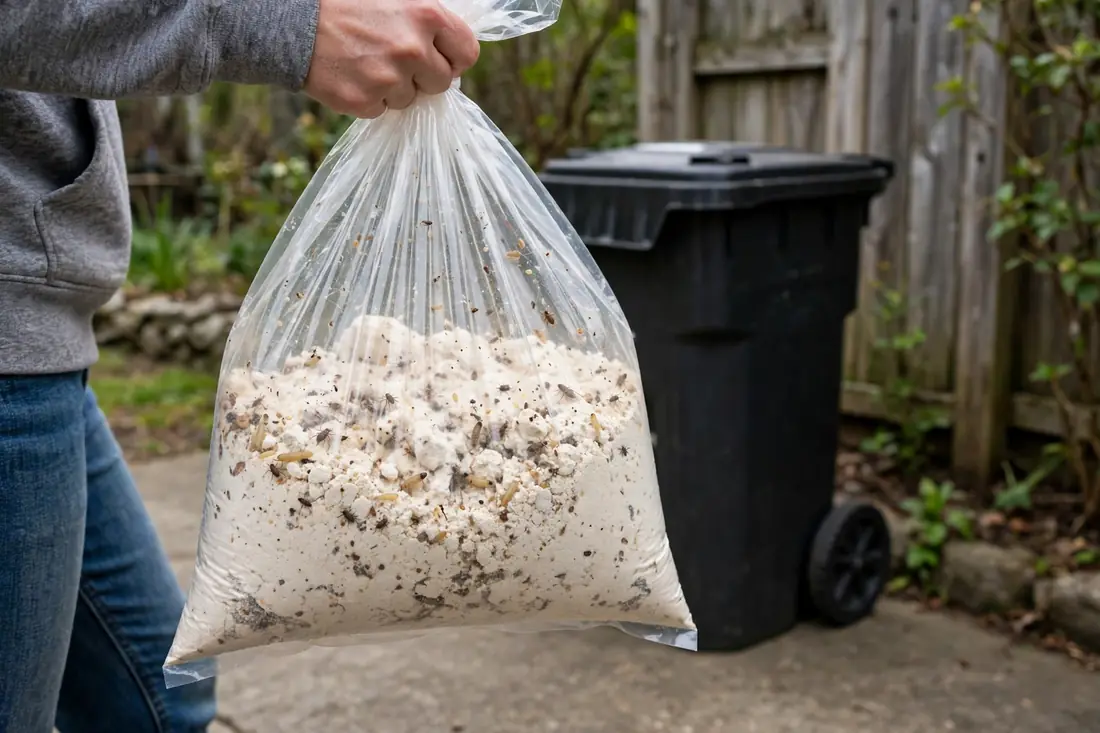
Here is the hard part: anything with signs of moths has to go. Seal each infested bag inside a plastic bag, tie it shut, and take it straight out to the outdoor trash can. Do not set it on the kitchen counter while you finish checking the rest, and do not toss it in the indoor bin where moths can crawl back out. When you are unsure about a bag, throw it out anyway. A five-dollar box of pasta is not worth another month of moths. This also covers anything stored near the infested items if you see webbing on the outside of the packaging, because larvae chew through thin plastic and paper to reach food inside. Losing a few pantry staples stings, but a clean start is the only way this works.
Vacuum Every Shelf, Crack, and Corner
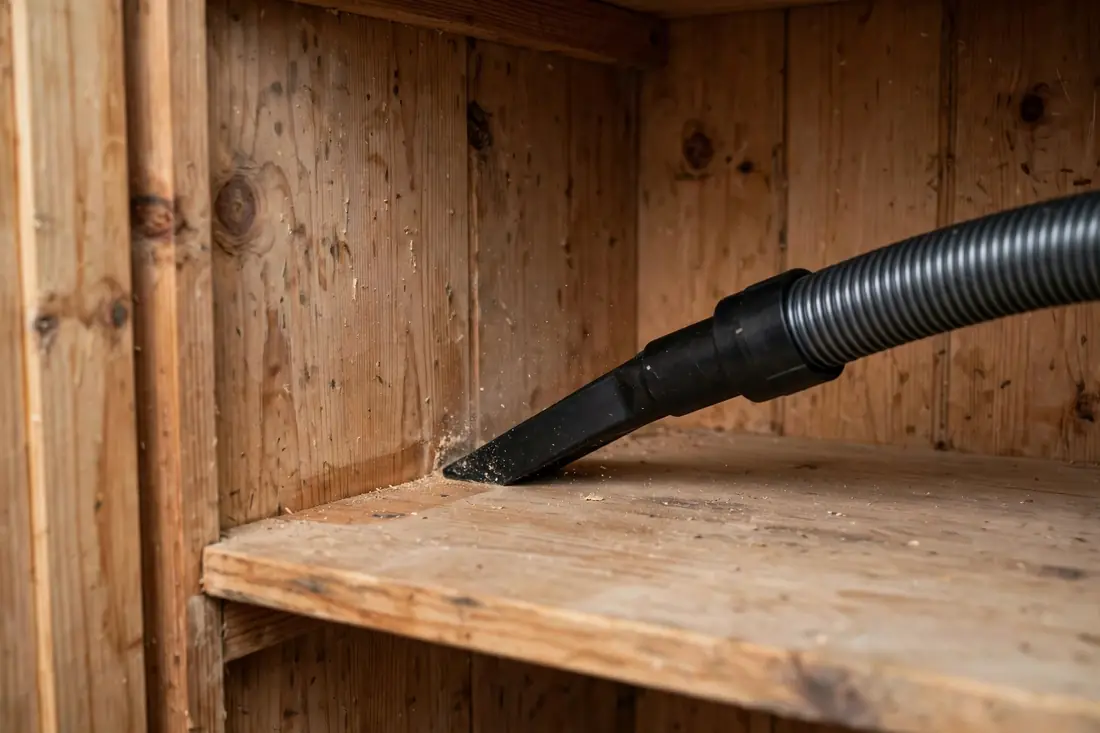
Moth eggs and larvae hide in places a cloth cannot reach, so the vacuum is your best tool here. Work from the top shelf down, vacuuming every surface, the edges where shelves meet the wall, and the brackets that hold the shelves up. Push the crevice tool into every crack and corner, and do not forget the hinges and the gap under the door frame. Vacuum the floor in front of the pantry as well, because larvae often crawl away from the food to spin cocoons in a quiet spot. When you finish, empty the vacuum canister or toss the bag into an outdoor trash can right away, or the eggs you just collected can hatch inside the machine.
- Vacuum shelf surfaces, edges, and the wall behind them
- Run the crevice tool along cracks, corners, and shelf brackets
- Vacuum the floor under and around the pantry too
- Empty the vacuum canister or bag outside right after
Wipe the Shelves Down With Hot Water and Vinegar
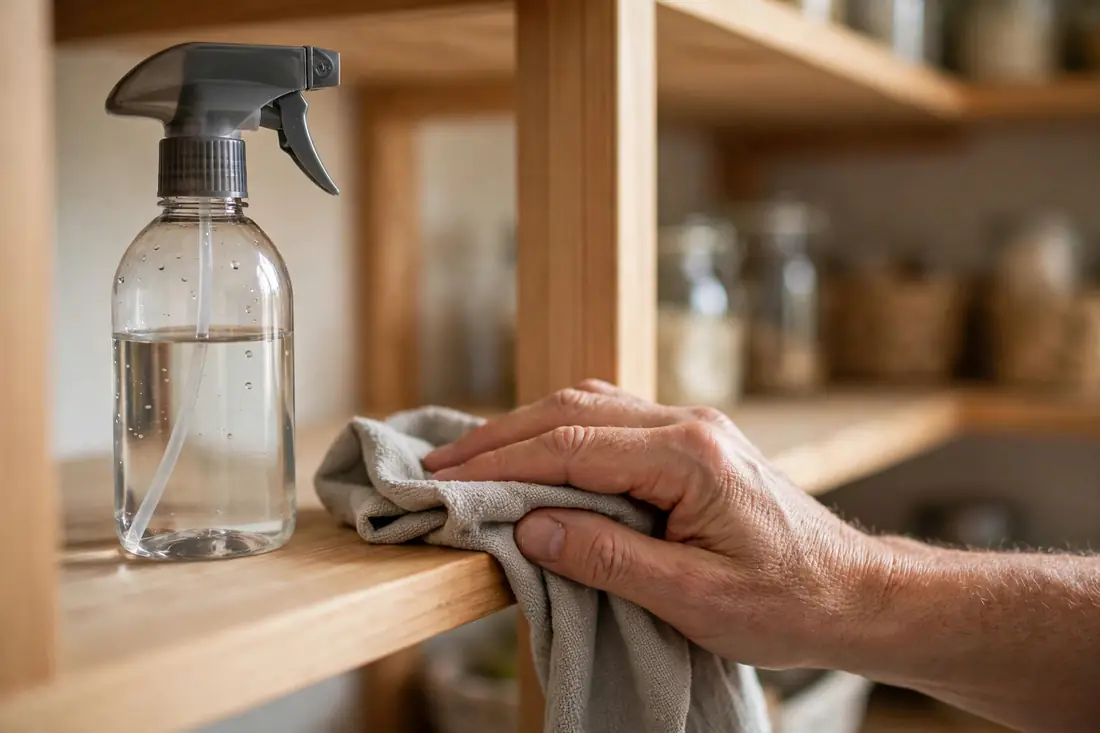
After vacuuming, wash every shelf with hot, soapy water and a clean cloth, then wipe it again with a mix of equal parts white vinegar and water. The soap lifts the grease and crumbs that moths feed on, and the vinegar helps clean the surface without leaving any chemical residue near your food. Get into the corners and along the shelf edges, and wipe down the inside of the pantry door too. Let everything dry completely before you put food back, because damp shelves invite mold and give moths a cozy place to settle. If your shelves are lined with contact paper, lift the edges and clean underneath, since larvae love to hide there.
Skip the Bug Spray Near Your Food
This is the safety rule that matters most: do not spray insecticide in or around your pantry. Bug sprays are made to kill insects, and their residue settles on shelves, packaging, and anything you eat later. Even products labeled for kitchen use can leave a film that you do not want near food, and a sprayed surface does not kill the eggs hidden inside a bag anyway. The honest truth is that sprays fix the moths you can see and leave the problem behind. Cleaning, tossing infested food, and sealing everything in hard containers do the real work, and none of them put chemicals next to your dinner. If a product label tells you to keep it away from food, believe it.

Set Pheromone Traps to Catch the Stragglers
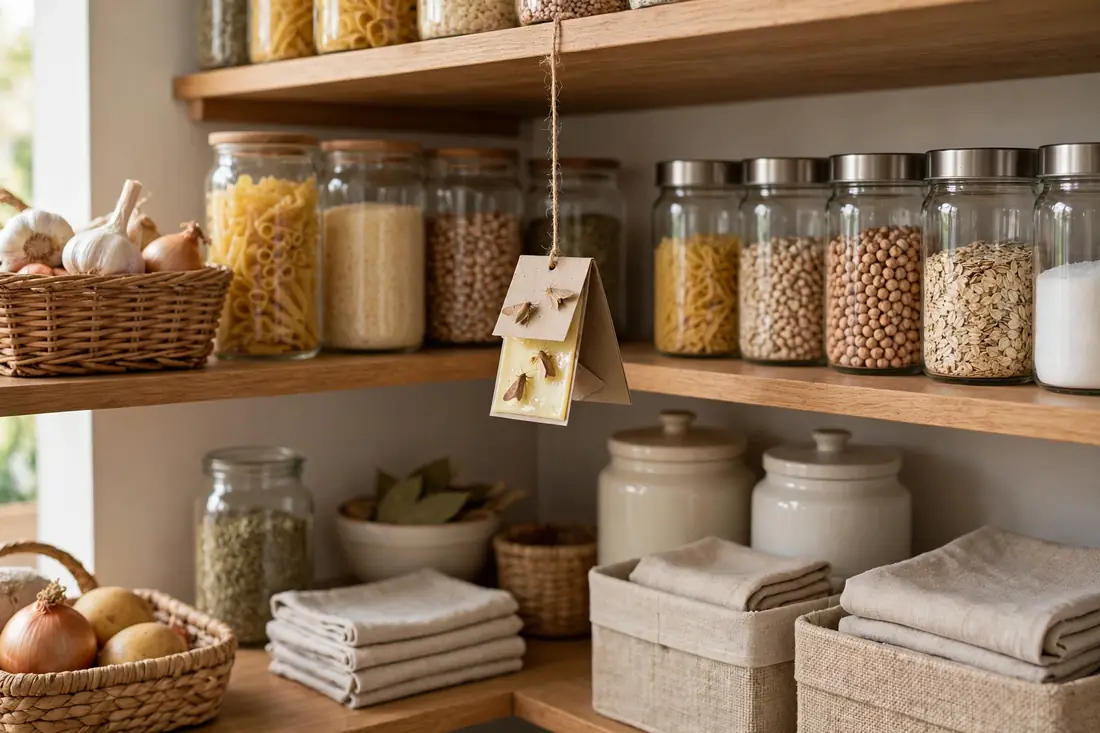
Pheromone traps are small sticky cards that give off a scent mimicking a female moth, and male moths fly in and get stuck. They will not wipe out an infestation on their own, because they only catch males, but they are excellent for two jobs: pulling down the number of breeding adults and telling you whether moths are still around. Place one or two traps inside the pantry and one just outside it, and check them every week. A trap full of moths means the problem is still active; an empty trap for a few weeks running means you are winning. Replace traps every couple of months or when the sticky surface fills up, and keep them up for at least six to eight weeks after the last moth you see.
Move Everything Into Airtight Containers
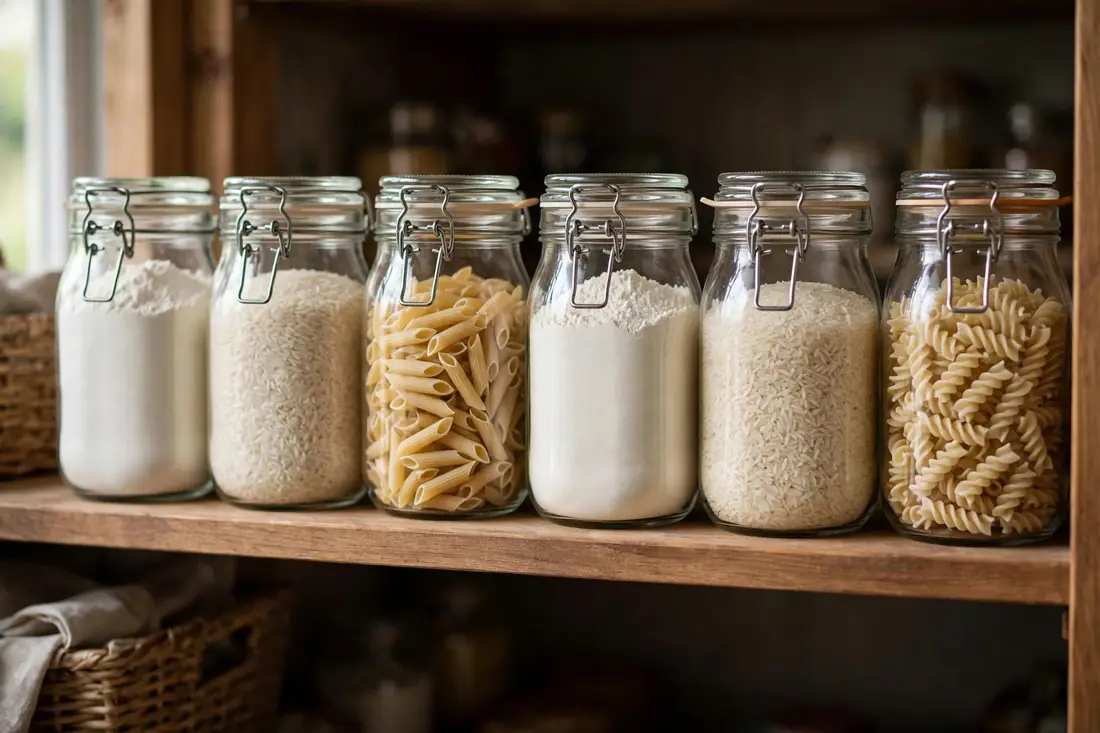
Pantry moth larvae can chew through paper bags, thin plastic, and cardboard boxes, so the bag your food came in is not protection. The fix is simple: move dry goods into glass jars with tight-fitting lids or hard plastic containers with snap-lock seals. Transfer flour, rice, cereal, and pasta the day you bring them home, and label each container with the date so you use the oldest stock first. This also makes checking for moths easy, because you can see the food at a glance. Pet food and birdseed need the same treatment, since both are favorite moth foods and often sit forgotten in a garage or laundry room. Sealed storage will not kill moths already inside the food, so freeze new bulk flour or grains for four days at 0 degrees Fahrenheit before you jar them if you want to be sure.
- Glass jars with tight lids, or hard plastic with snap-lock seals
- Transfer flour, rice, cereal, and pasta the day you buy them
- Label each container with the date you opened it
- Keep pet food and birdseed sealed the same way
Check the Rest of the House, Not Just the Pantry
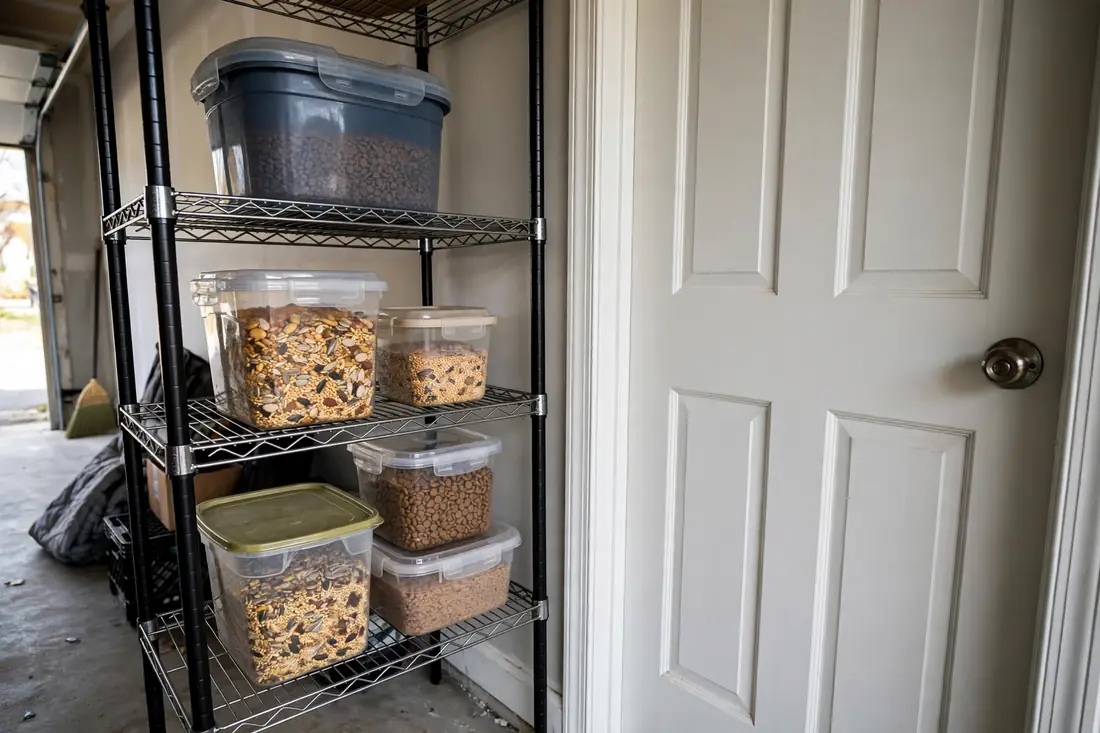
Pantry moths do not always stay in the pantry. Check any room where dry goods are stored: the garage shelf with birdseed, the laundry room with pet food, the craft closet with dried flowers or potpourri, and the kids' room if they keep snacks in a drawer. Adult moths can fly into other rooms and lay eggs wherever they find something edible, so a quick look now saves a second cleanup later. If you find a problem spot, treat it the same way: toss the infested item, vacuum, wipe, and seal. Clothes moths are a different pest and need a different approach, so if you find damage on wool or silk, that is a separate problem, not pantry moths.
Keep Them Out for Good With a Few Habits
Getting rid of pantry moths takes a few weeks, and keeping them gone takes a handful of small habits. Buy smaller amounts of flour, rice, and cereal so nothing sits for a year, and use the oldest stock first. At the store, give bags a quick look for webbing, tiny holes, or clumps before you put them in the cart, since most infestations start with eggs that came home in the groceries. Wipe the pantry shelves once a month, check the traps every week, and freeze bulk grains for four days before you store them. None of this is hard, and none of it costs much. The payoff is a pantry you can open without wondering what is crawling around inside.
- Buy smaller amounts of flour and grains, and use them within a few months
- Inspect bags at the store for webbing, holes, or clumps
- Wipe pantry shelves once a month and check traps weekly
- Freeze bulk grains for four days before storing

✅ Guide4U Checklist
- Toss every infested bag, sealed, into outdoor trash
- Vacuum shelves, cracks, corners, and floor
- Wipe shelves with hot water, then vinegar
- Never spray pesticide near food
- Set pheromone traps and check weekly
- Seal dry goods in glass or snap-lock jars
- Freeze new flour and grains for four days
Key Takeaways
- Toss the source first, then clean -- never the other way around
- No bug spray near food; traps and sealed jars do the job
- Keep traps up six to eight weeks to confirm they are gone
Frequently Asked Questions
How long does it take to get rid of pantry moths?
Plan on a few weeks, not a few days. Cleaning and tossing infested food removes the current generation, but eggs and pupae tucked into cracks can hatch later, so new moths may show up for two to four weeks. Keep the traps up and keep checking for at least six to eight weeks after the last moth you see. If traps stay empty and no webbing appears, the infestation is over.
Are pantry moths dangerous if I accidentally eat one?
Pantry moths do not bite, sting, or carry disease, and eating a larva by accident is unpleasant rather than dangerous. The real problem is the food itself: webbing, shed skins, and droppings make it unsanitary, so throw out anything infested instead of picking through it. If you have food allergies or a sensitive stomach and you think you ate contaminated food, call your doctor for advice.
Can I freeze food to kill pantry moths?
Yes. Freezing at 0 degrees Fahrenheit for four days kills moths at every stage, from eggs to adults. Put the bag in the freezer for the full four days, then let it come back to room temperature before opening it so moisture does not condense inside. This works well for flour, rice, grains, and pet food, and it is the safest way to treat food you are not sure about.
Do pantry moths eat clothes?
No. Pantry moths eat dry foods like flour, rice, cereal, and pet food, and they do not touch fabric. If you find holes in wool, silk, or other natural fibers, that is the work of clothes moths, a different pest with a different fix. Pantry moths may rest on fabric while they fly around, but they will not damage it.
What did you think of this article? Share your opinion in the comments below — we would love to hear from you.