
How to Get Rid of Stink Bugs in Your House
Quick Answer
Vacuum stink bugs up whole instead of crushing them, set a soapy water trap under a lamp overnight, and seal the gaps around windows, doors, and vents. Skip indoor foggers: they do not reach where stink bugs hide, and a vacuum, a trap, and a tube of caulk do the job better.
Don't Crush Them — That's How the Smell Starts
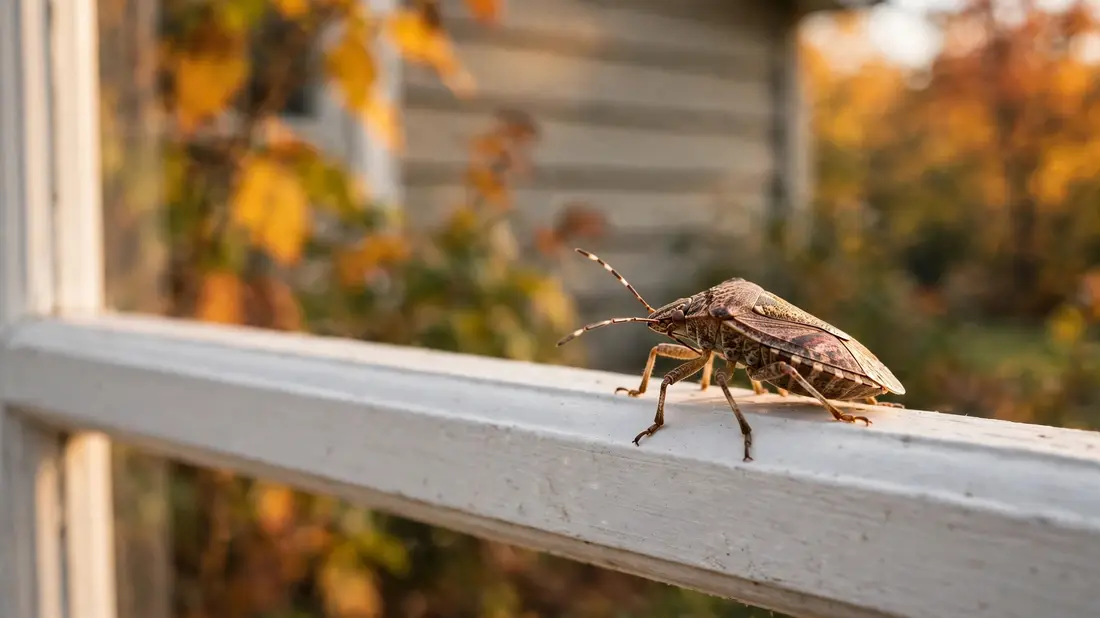
The first rule of stink bugs is also the easiest to break: do not crush them. A stink bug's smell comes from glands on its underside, and squeezing or stepping on one releases it all at once. The smell is hard to describe until you have lived with it, something like a mix of burnt rubber and old cilantro, and it can hang in a room for hours. A vacuum or a cup of soapy water does the same job without the stink. If you already crushed one, open a window, wipe the spot with soapy water, and let fresh air do the rest. The smell fades, but only if you stop adding to it.
Start With a Vacuum, Not a Spray
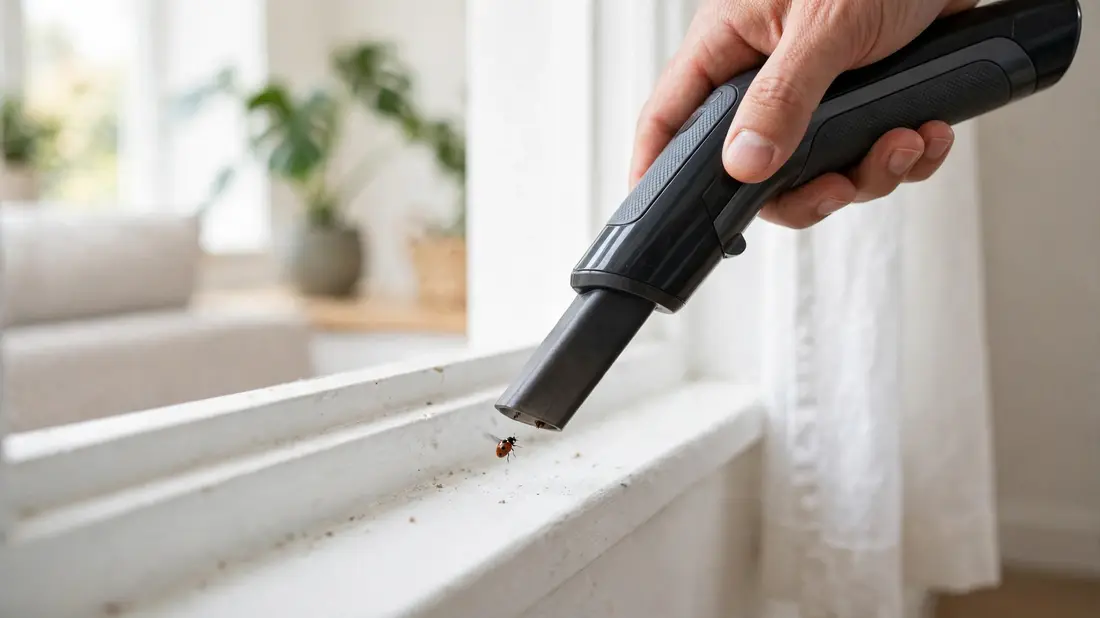
A vacuum cleaner is the best first tool for stink bugs, because it picks them up whole and keeps the smell inside the machine. Use the hose attachment and sweep up every bug you can see, working slowly around windows, ceilings, and light fixtures where they like to gather. When you finish, take the vacuum outside, empty the bag or canister into a sealed bag, and drop it in the outdoor trash. If you leave the bugs in the vacuum, the smell builds up and the next time you switch it on, the whole house gets a reminder. A cheap handheld vacuum kept near the worst room makes the daily round take two minutes.
The Soapy Water Trap That Actually Works
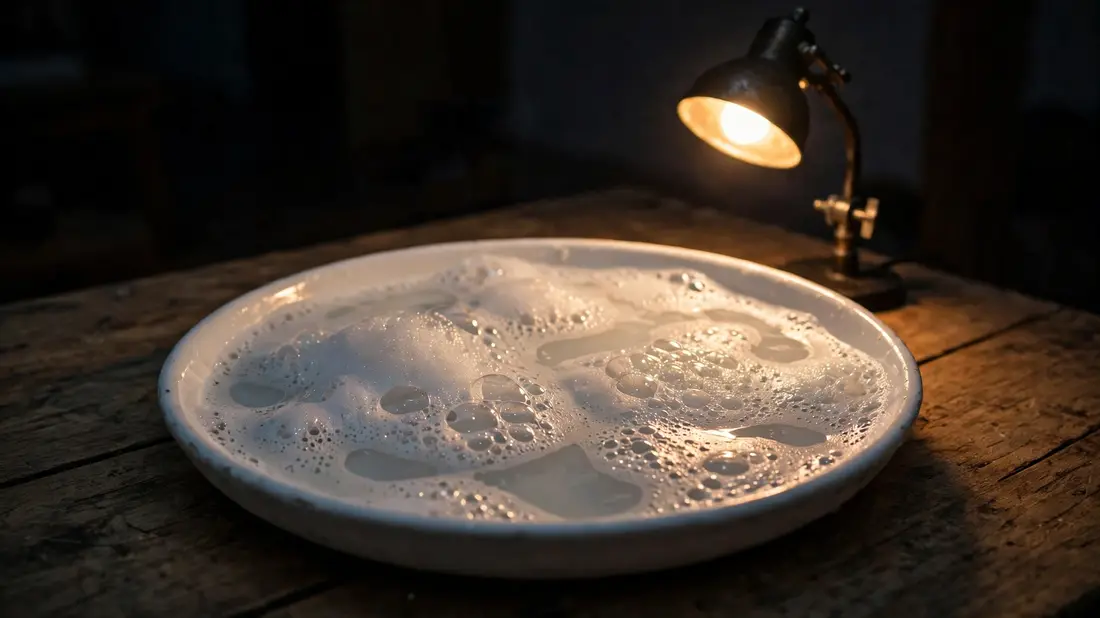
Stink bugs are drawn to light, and a simple trap turns that habit against them. Fill a shallow pan or baking dish with water and a good squirt of dish soap, then set a desk lamp so it shines down onto the water. The bugs fly toward the light, land in the water, and the soap breaks the surface tension so they sink instead of floating. Leave the trap on overnight in the room where you see the most bugs, and empty it each morning. It will not catch every bug in the house, but it steadily thins the ones that are out and about, and it costs almost nothing.
- Fill a shallow pan with water and a squirt of dish soap
- Set a desk lamp over the pan so it shines down
- Leave it on overnight in the room with the most bugs
- Empty the pan each morning and reset it
Seal the Gaps They Came Through
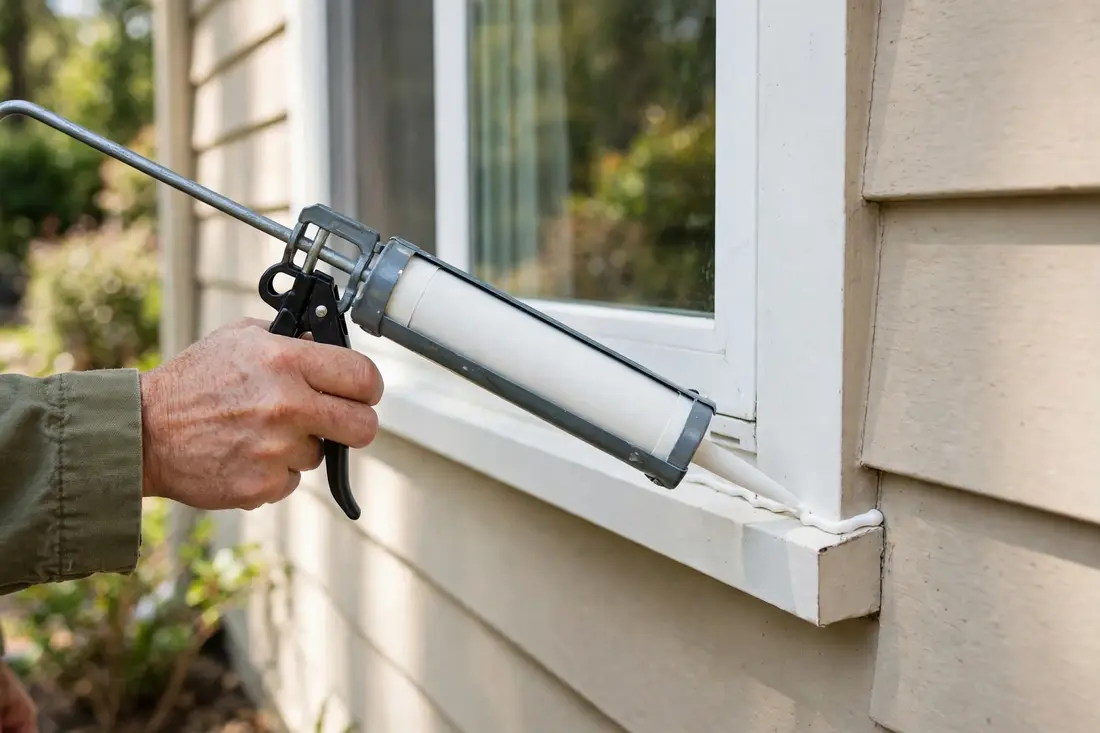
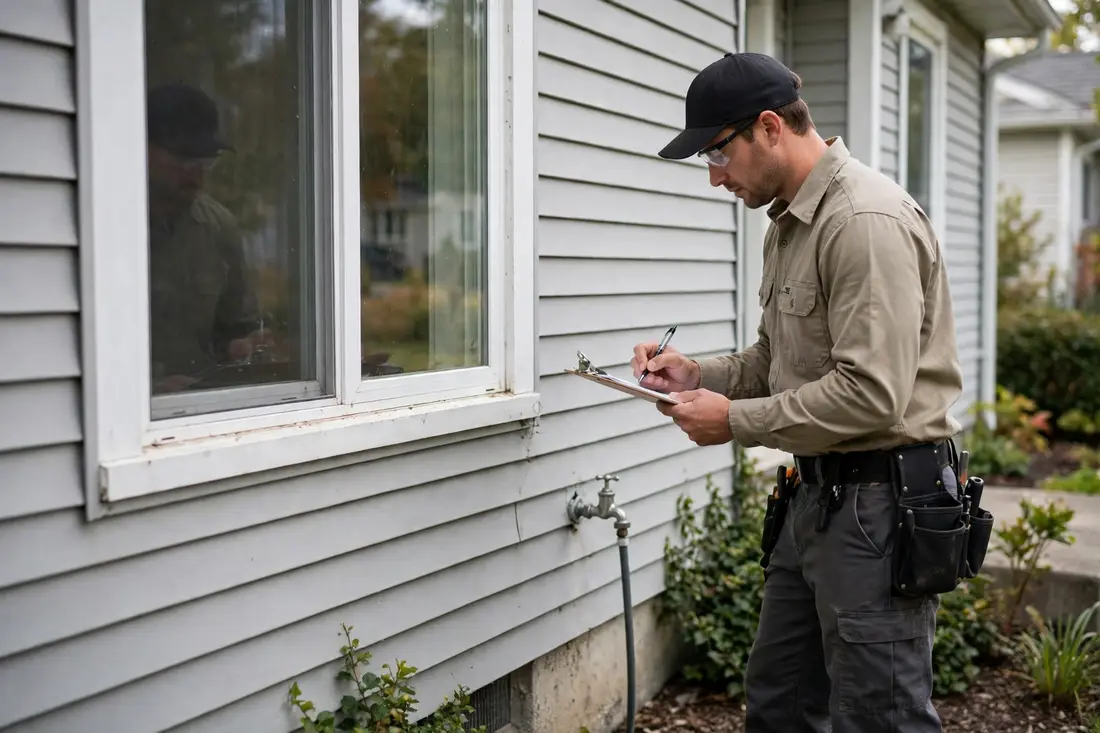
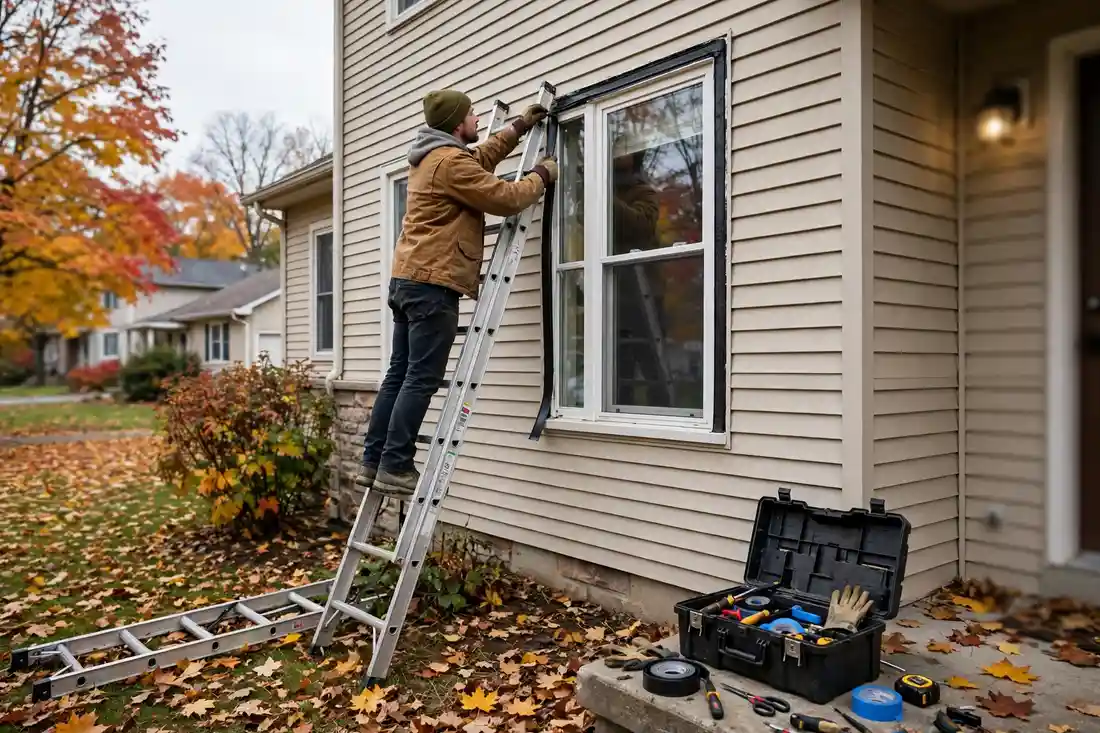
Stink bugs do not chew their way in. They walk through gaps you can barely see: a cracked bead of caulk around a window, a torn screen, a gap under a door, a vent with no cover. Sealing those gaps is the only fix that lasts, because every bug you catch is replaced by another one if the door is still open. Run your hand along window frames on a windy day and feel for drafts, then caulk the ones you find. Replace torn screens and add weatherstripping to doors that show daylight at the edges. It is dull work, but it is the difference between a weekend of catching bugs and a winter of catching bugs.
Check the Usual Entry Points
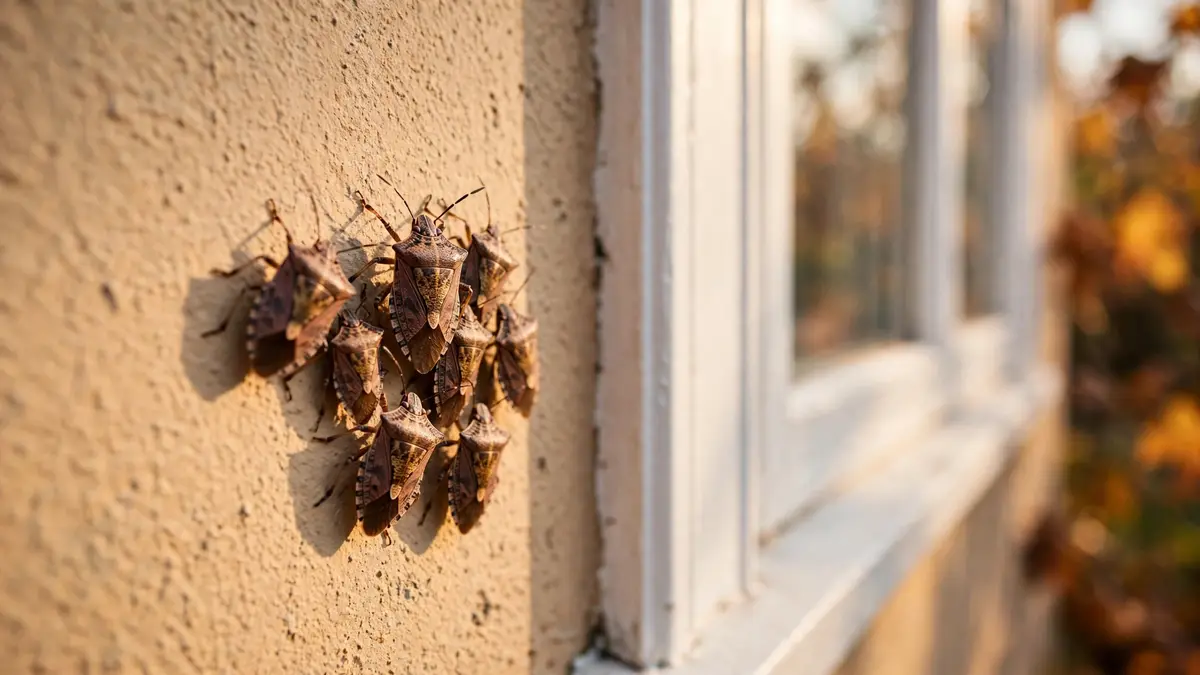
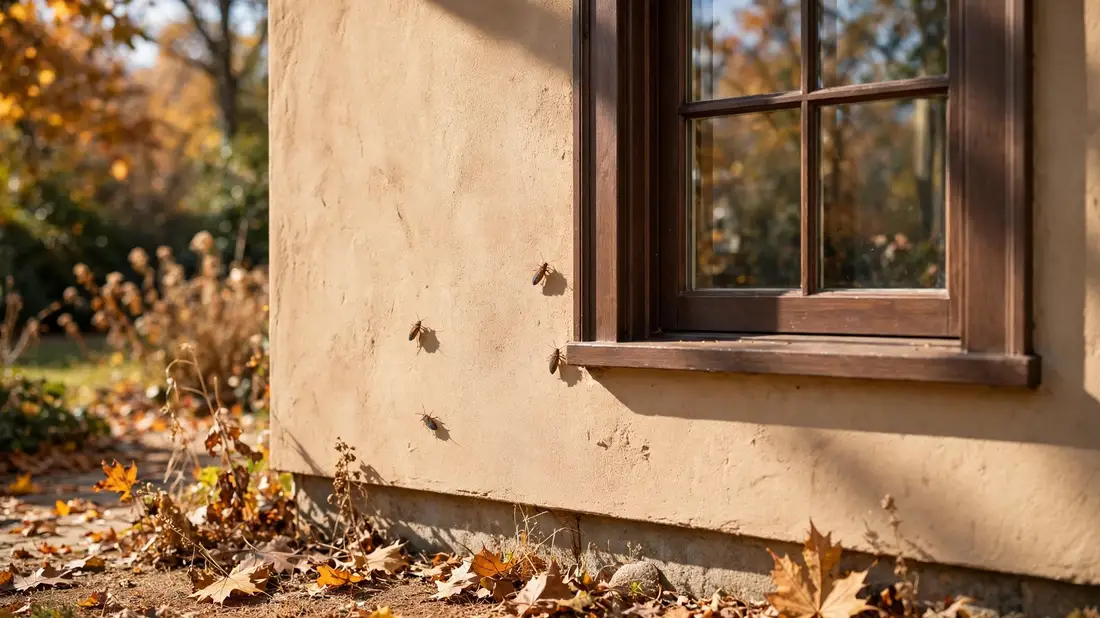
If you only check one place, check the sunny side of the house. Stink bugs gather on warm, sun-facing walls in fall, and from there they slip in through the nearest opening. Look at attic vents, soffits, and the gaps around pipes and cables where they enter the wall. Check the seal around your air conditioner and the weatherstripping on the garage door, both easy routes into the house. A tube of caulk and a roll of foam weatherstripping cover most of what you will find. For vents, a fine mesh screen over the opening keeps bugs out without blocking airflow, and it is a ten-minute job with a staple gun or screws.
Keep the Lights Low at Night
Stink bugs fly toward light, and your porch light is a beacon for every bug within sight of the house. Swap white bulbs for yellow bug lights on the porch and near entry doors, since yellow light attracts far fewer insects. Turn off outdoor lights you do not need, and close curtains in rooms with bright lamps after dark so the glow does not pull bugs toward the windows. This will not stop the bugs that are already looking for a winter home, but it cuts the number that gather on your walls each evening. Fewer bugs on the wall means fewer bugs finding their way inside.

What to Do With the Ones You Catch
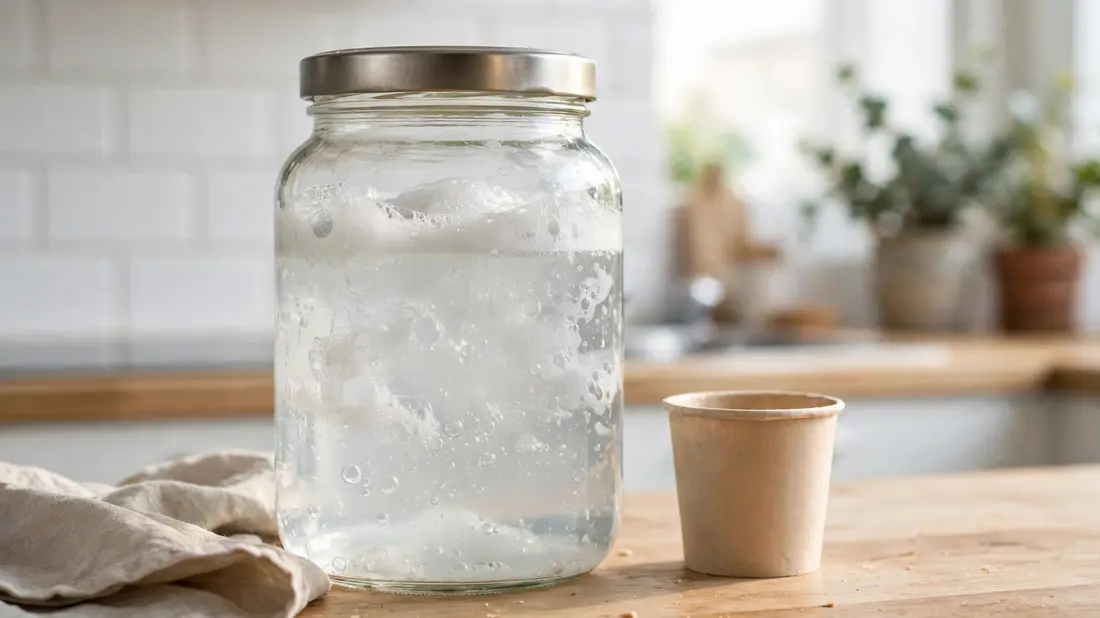
Once you have caught a stink bug, the question is what to do with it. The simplest answer is a jar of soapy water: drop the bug in, put the lid on, and the soap finishes the job without any smell. If you would rather not kill them, you can scoop a bug into a cup with a piece of paper and carry it well away from the house before letting it go, at least a hundred feet if you can. Do not just toss it out the back door, because it will walk straight back to the warm wall it came from. And do not flush live bugs in large numbers, since a clogged drain is a worse problem than a bug.
Skip the Indoor Foggers
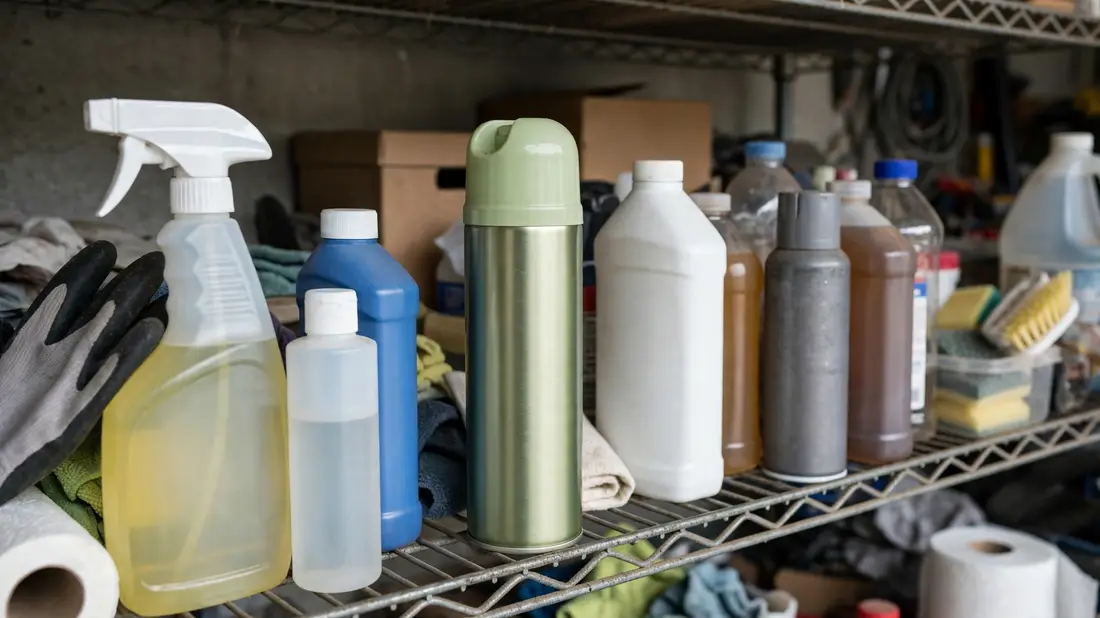
Bug foggers look like a fast fix, and for stink bugs they are a waste of money. The spray settles on surfaces and in the air, but stink bugs hide in wall voids, attics, and behind curtains where the fog never reaches. What the fog does reach is your kitchen counters, your dishes, and anything else left out, which then needs washing before you can use it again. The labels also warn against using them around pets and children, and the residue can bother anyone with asthma. A vacuum, a trap, and a tube of caulk do more for less money, and they do it without filling your house with chemicals.
When to Call a Pro
Most stink bug problems are a do-it-yourself job, but there are times when a professional is worth the call. If you are finding dozens of bugs a day, or they are coming out of wall outlets and light fixtures, there may be a large group settled inside a wall void or attic space, and that is beyond a vacuum and a trap. A pest control company can treat the outside of the house in late summer, before the bugs move in, which is the most effective timing. Ask what they use and whether it is safe for kids and pets, and get the price in writing. A one-time exterior treatment in August or September beats a winter of catching bugs one by one.
A Simple Fall Routine So They Don't Come Back
The best time to deal with stink bugs is before they arrive. In late summer, walk the outside of your house once and seal the gaps you find, check the screens, and replace worn weatherstripping. In early fall, set a soapy water trap in the sunniest room and vacuum up any early arrivals before they settle in. Keep the porch lights yellow and the curtains drawn after dark. None of this takes more than an afternoon, and it is the same afternoon every year. Stink bugs will still show up, they always do, but a house with sealed gaps and a trap waiting is a house they mostly pass by.
✅ Guide4U Checklist
- Never crush a stink bug
- Vacuum them up whole
- Set a soapy water lamp trap
- Seal gaps around windows and doors
- Swap porch bulbs for yellow light
- Empty the vacuum outside
- Skip indoor foggers
Key Takeaways
- Crushing a stink bug is what releases the smell.
- Sealing entry gaps is the only fix that lasts.
- A soapy water trap under a lamp thins them nightly.
Frequently Asked Questions
Why do stink bugs come inside in the fall?
Stink bugs move indoors in fall to find a warm, sheltered place to spend the winter. They gather on sunny walls first, then slip through small gaps around windows, doors, vents, and pipes. They are not looking for food inside your house, just warmth, which is why sealing gaps in late summer works better than chasing them all winter.
What happens if you crush a stink bug?
Crushing a stink bug releases a strong smell from glands on its underside, a mix often described as burnt rubber or old cilantro. The smell can linger in a room for hours and can even attract more stink bugs. Vacuum them up whole or drop them into soapy water instead, and wipe any spot where one was crushed with soapy water.
Does soapy water kill stink bugs?
Yes. A few drops of dish soap in water breaks the surface tension, so a stink bug that falls in cannot float or climb out and drowns. A shallow pan of soapy water under a lamp works as an overnight trap, and a jar of soapy water is the cleanest way to dispose of bugs you catch by hand.
Do stink bugs bite or carry disease?
No. Stink bugs do not bite people or pets, and they are not known to spread disease. They are a nuisance pest: they smell bad when crushed, they gather in large numbers, and they can stain walls or curtains if squashed against them. The main risk is to gardens and crops, not to your health.
What did you think of this article? Share your opinion in the comments below — we would love to hear from you.