
How to Get Rid of Cockroaches in Your Kitchen Naturally

Quick Answer
Find where roaches hide, then cut off their food and water with nightly cleaning and sealed food bins. Use thin lines of boric acid or food-grade diatomaceous earth behind appliances and along baseboards, and seal every gap around pipes and counters. Most kitchen roach problems clear in two to four weeks when cleaning, baiting, and sealing are done together.
Why Cockroaches Pick Your Kitchen
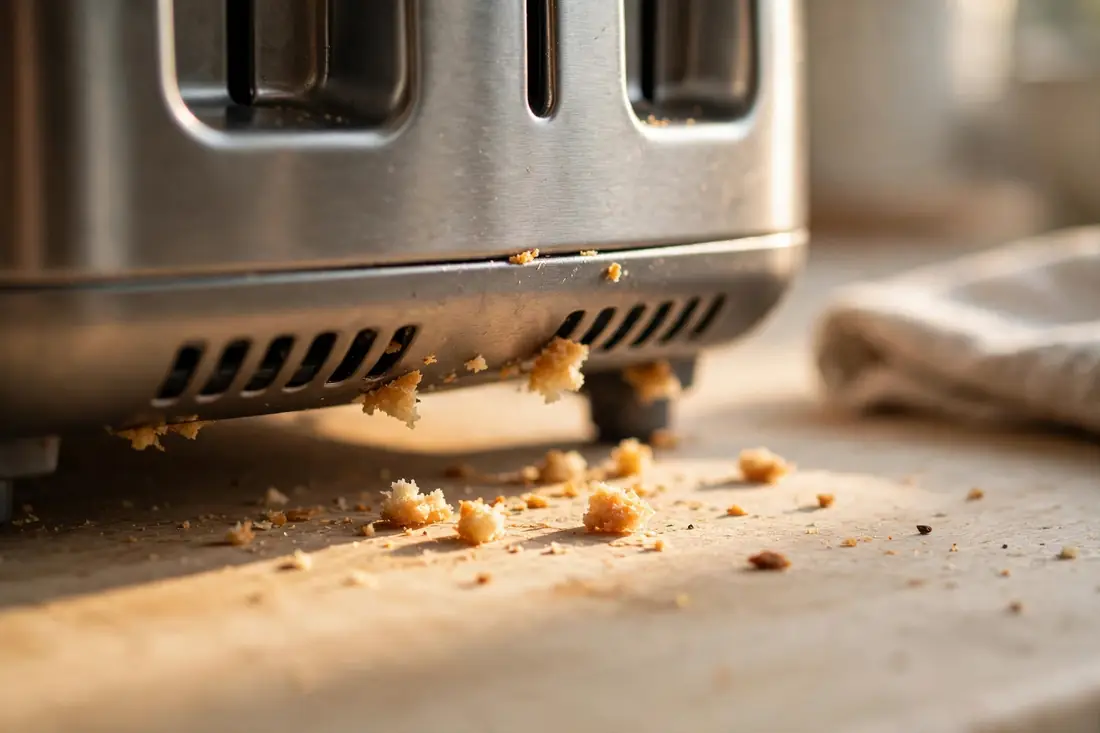
Cockroaches move in for three things: food, water, and warmth, and a kitchen offers all three in one small room. A few crumbs under the toaster, a damp sponge in the sink, and the warm space behind the fridge are enough to keep them fed for weeks. Most US homes deal with German cockroaches, the small light-brown ones that love kitchens and bathrooms, while larger American cockroaches usually wander in from outside through drains and vents. They are active at night, so seeing one in daylight often means the hiding spots are full. The good news is that roaches follow habits you can break. Once you learn what draws them in and where they hide, simple natural methods can push them out without filling your kitchen with heavy sprays.
Find Where They Hide and Enter
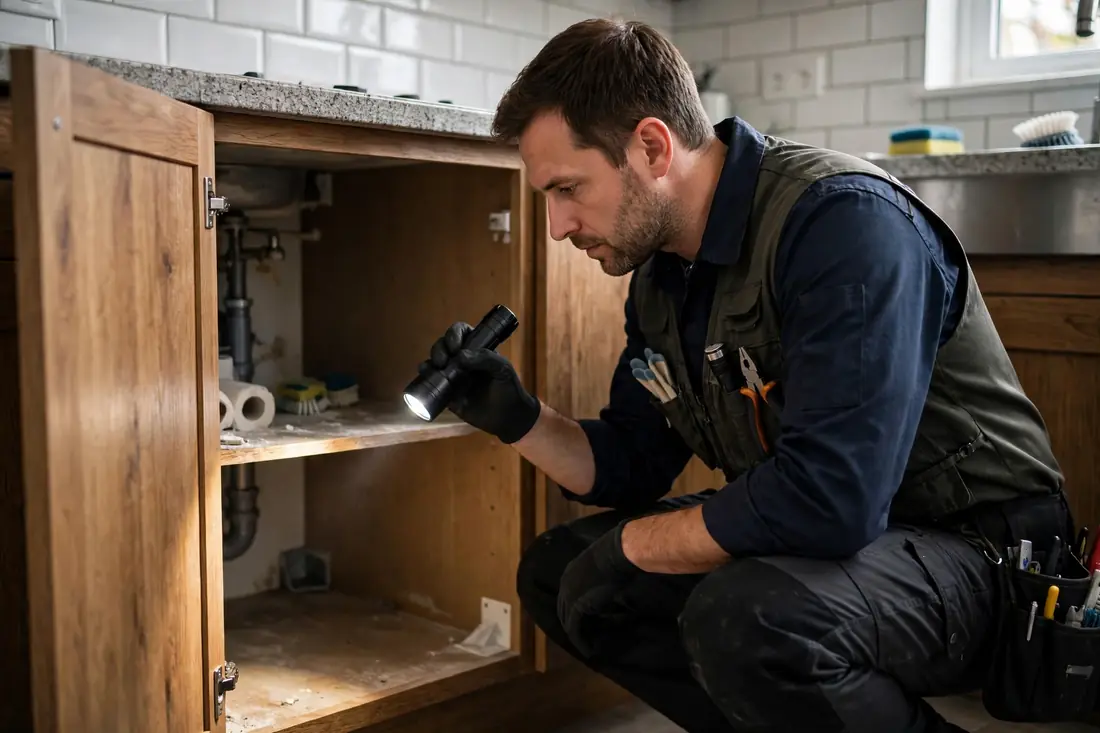
Before you set a single trap, spend ten minutes finding out where the roaches live. Wait until dark, then switch on the kitchen light fast and watch where they run. They will head for the same few spots: under the sink, behind the stove, inside the gap where the counter meets the wall, and around the warm motor at the back of the fridge. Check the dark corners of your cabinets, the cardboard boxes under the sink, and the space around pipes where they pass through the wall. Look for tiny black specks that look like ground pepper, which are droppings, and for shed skins near the hiding spots. Mark every gap and crack you find, since those are the places you will seal and treat first. A map of their hideouts makes everything else work better.

Cut Off Their Food and Water
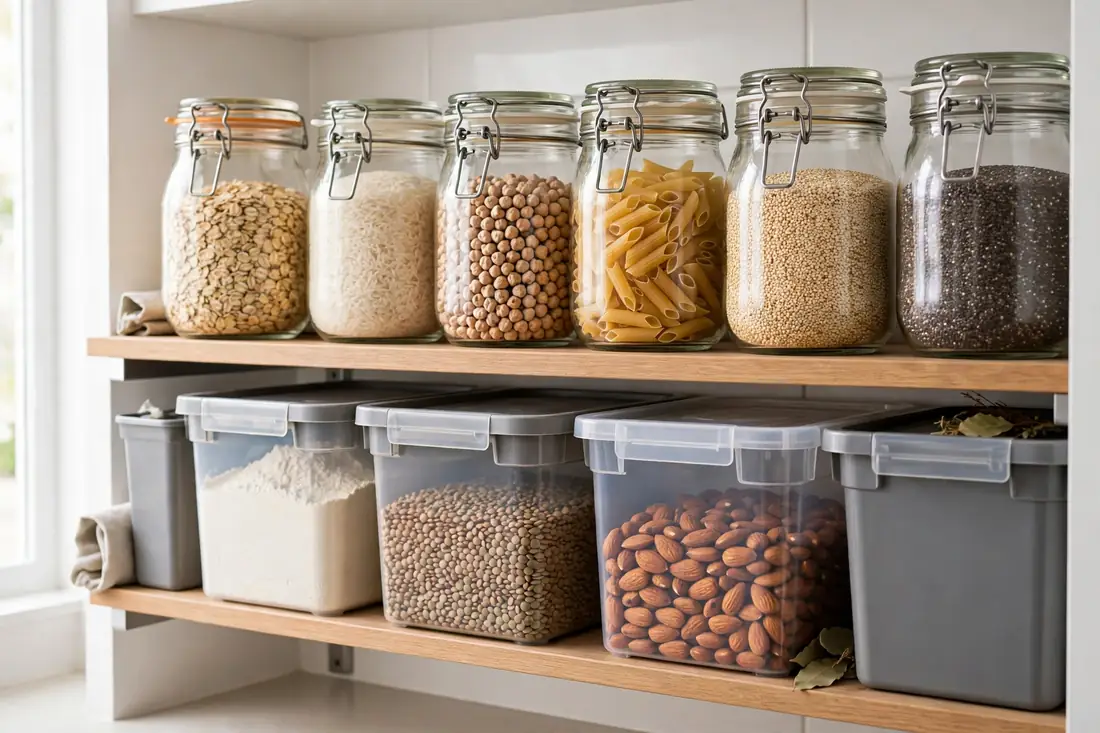
No roach stays in a kitchen with nothing to eat or drink, so cleaning is the first real weapon you have. Wipe the counters and the stove top every night, sweep the floor for crumbs, and run the dishwasher or wash the dishes instead of leaving them in the sink overnight. Store dry food, pet food, and sugar in sealed jars or hard plastic bins, since roaches chew through paper bags and thin plastic with ease. Fix dripping taps and dry the sink before bed, because a single slow drip gives them all the water they need. Empty the trash every night and keep the bin clean and lidded. This sounds basic, but a kitchen that offers no free meals and no standing water becomes a poor home for roaches within days.
Boric Acid: The Classic That Still Works
Boric acid is the oldest natural roach killer that still earns its place, and it works because roaches carry it back to the nest on their legs and bodies. Mix a small amount of boric acid powder with a little sugar and flour to make a light dust, then puff it in thin lines behind the stove, under the sink, along baseboards, and into wall gaps. Use very little: a thick pile makes roaches walk around it, while a light dust sticks to their legs. Keep it far away from food prep surfaces and out of reach of kids and pets, and never spread it where a child or a pet can lick it up. It takes a week or two to show results, since roaches die slowly and spread it to others first. Be patient, reapply after mopping, and do not mix it with sprays that would wash it away.
Baking Soda and Sugar Bait
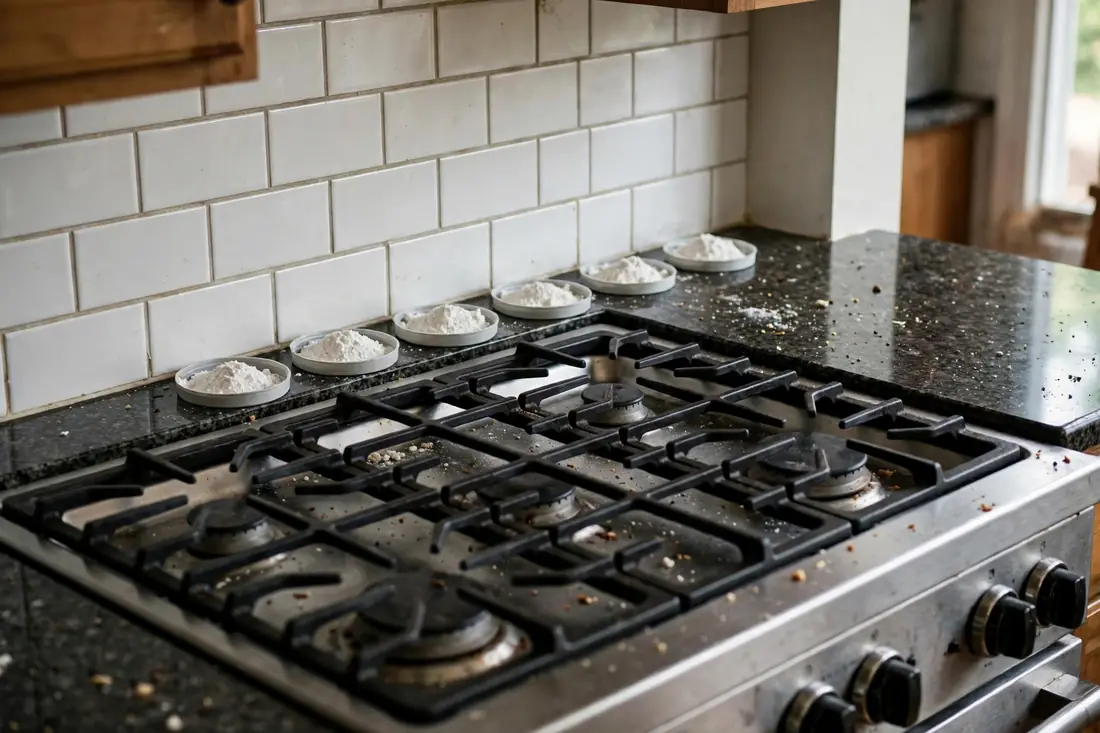
If you would rather not use boric acid, baking soda and sugar is the gentlest homemade bait. Mix equal parts baking soda and white sugar, then put small piles in shallow lids or bottle caps and slide them behind the stove, under the sink, and along the back of cabinets. The sugar draws the roaches in, and the baking soda reacts in their stomachs once they eat it. It is far slower than boric acid and will not wipe out a large colony on its own, so treat it as a helper, not the whole plan. Keep the bait dry, since damp baking soda clumps and stops working, and replace it every few days. The real value is that it is safe to use in a kitchen with kids around, and it costs almost nothing to keep fresh.
- Equal parts baking soda and sugar
- Shallow lids or bottle caps
- Place behind the stove and fridge
- Replace the bait every few days
Diatomaceous Earth Along the Edges
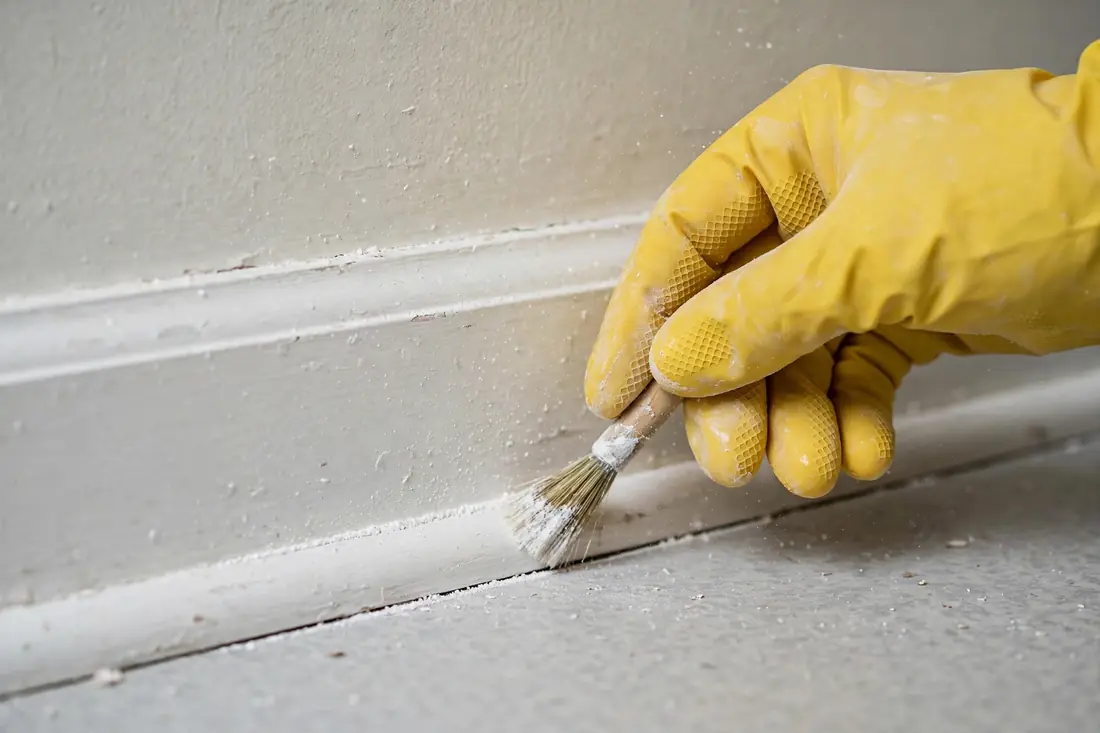
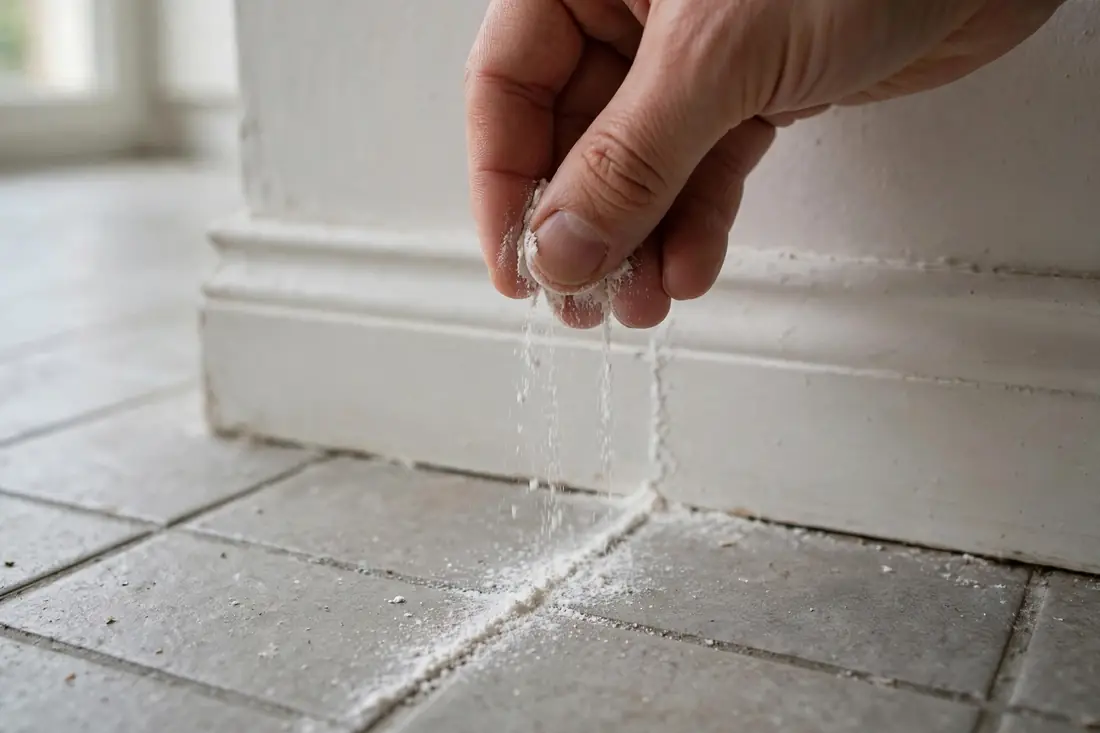
Food-grade diatomaceous earth is a fine white powder made from tiny fossilized shells, and it kills roaches by scratching their outer shell so they dry out. Sprinkle a thin line of it along baseboards, behind appliances, under the sink, and into cracks where roaches travel. It only works while it stays dry, so keep it away from sinks and damp spots, and wear a mask while you spread it, since breathing in the dust irritates your lungs. Use food-grade only, never the pool-grade kind sold for filters, which has a different makeup and is not safe for home use. Like boric acid, it works slowly, over days rather than hours. Vacuum it up and reapply once a week until you stop seeing roaches, then keep a light line in the worst spots as a guard.
Seal the Gaps They Use to Get In
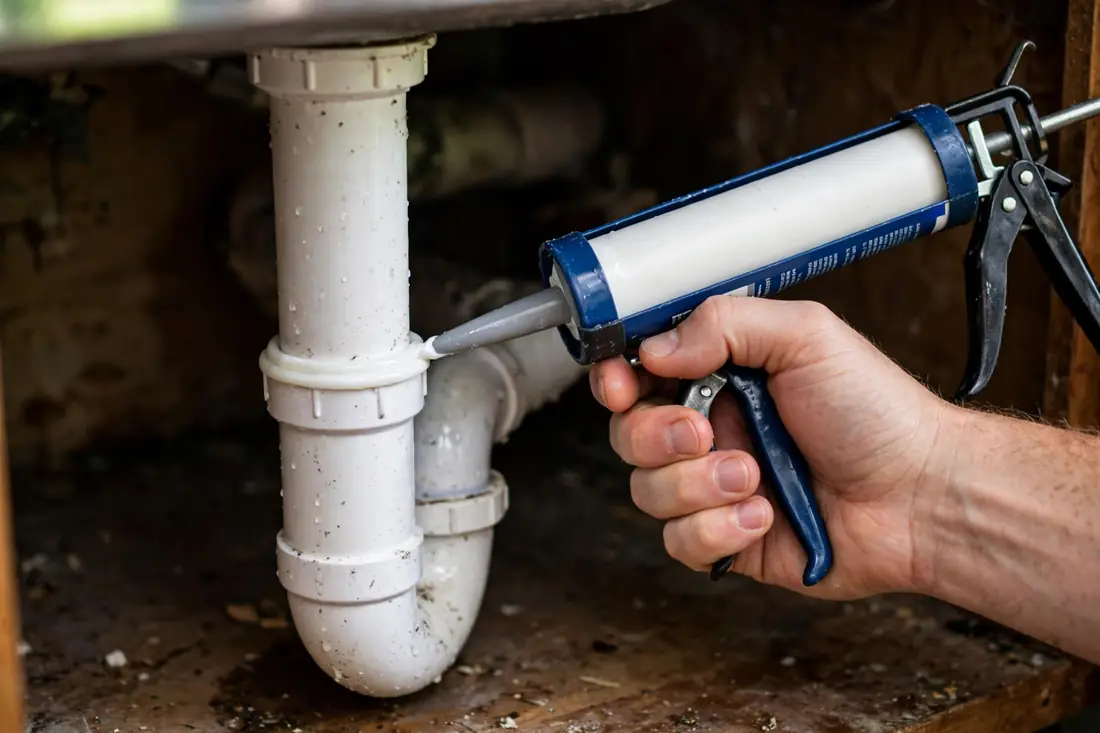
Roaches can squeeze through a gap as thin as a coin, so sealing is the step that makes the rest of your work last. Go around the kitchen with a tube of caulk and fill the cracks where the counter meets the wall, around the pipes under the sink, and along the baseboards. Stuff steel wool into larger holes before you caulk them, since roaches cannot chew through it. Fix loose tiles and seal the gap around the dishwasher and the fridge water line. Check the door sweep on the kitchen door too, since roaches walk in from the garage or the hallway when the gap is wide. Sealing does not kill the roaches already inside, but it stops new ones from arriving and traps the ones inside with your baits. Do it once, do it well, and the kitchen stays defended.
Keep the Kitchen Dry at Night
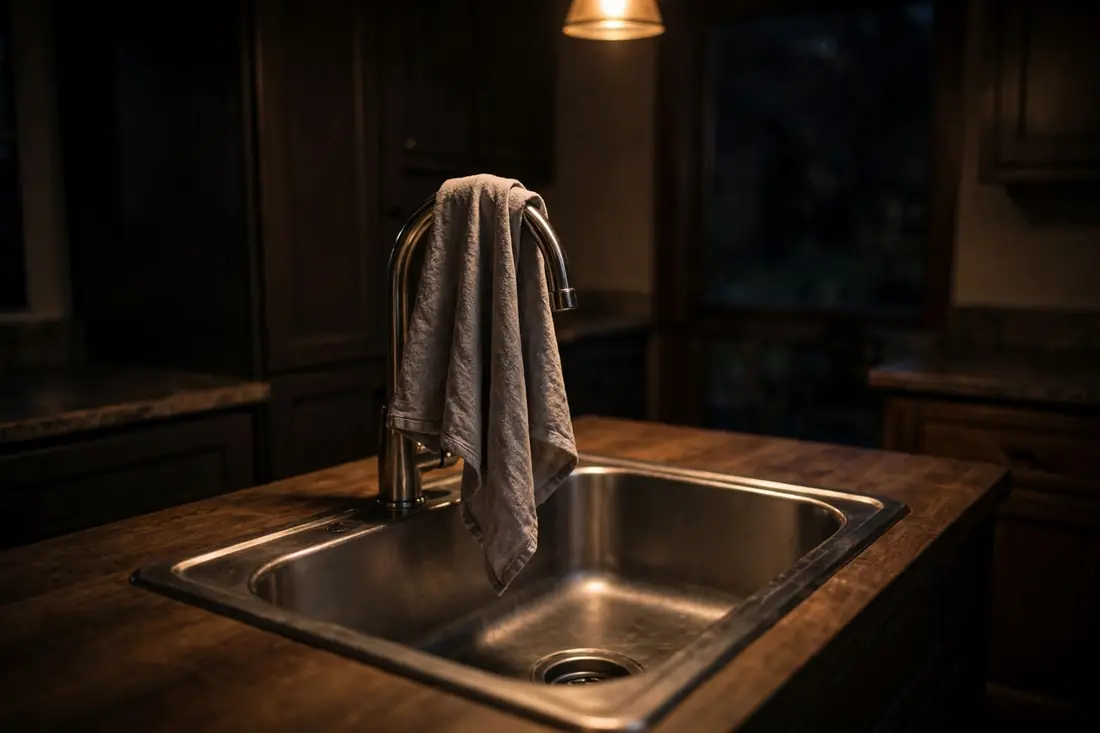
Roaches come out after dark looking for water, and the kitchen sink is their favorite stop. Make a habit of drying the sink and the counters before bed, wringing out the sponge, and hanging the dishcloth so it dries instead of sitting in a damp pile. Fix the slow drip under the sink and the one from the faucet, since a roach can drink from a single drop. Do not leave pet water bowls on the kitchen floor overnight if you can avoid it; put them in the bathroom or pick them up at night. Run the garbage disposal and rinse it, then close the drain stopper so roaches cannot climb up from the pipes. These small nightly habits take two minutes and remove the one thing roaches need most after food: a nightly drink.
What to Do With the Roaches You See
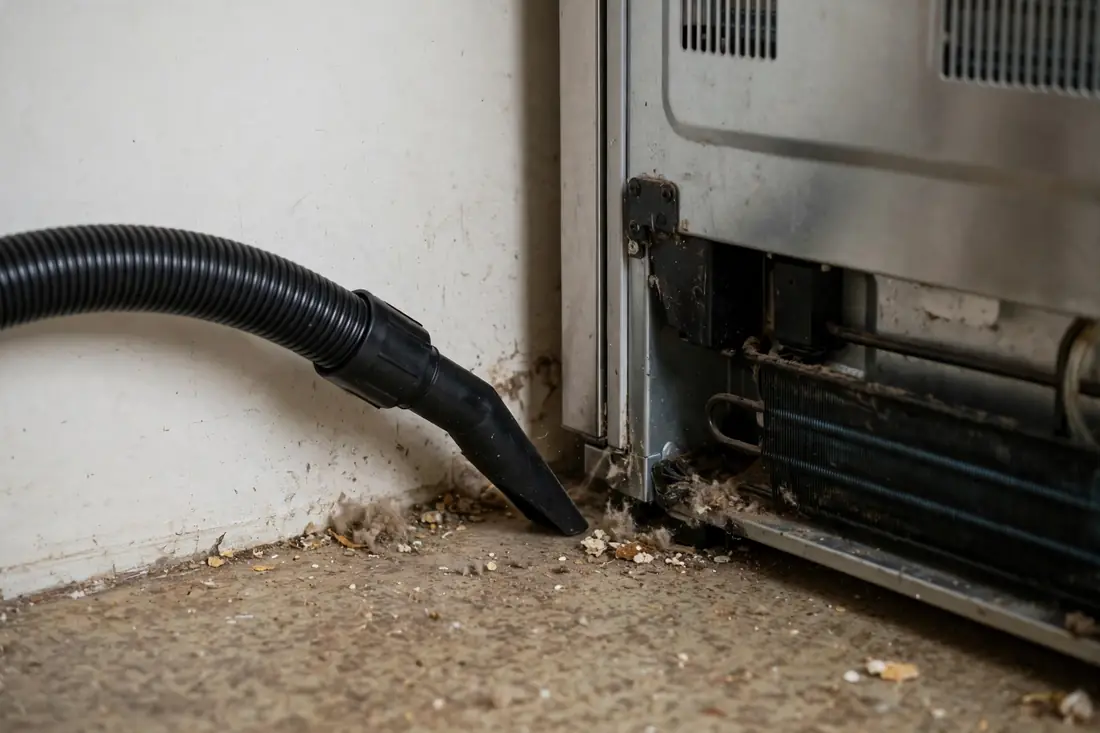
When you spot a roach, do not reach for a spray can first. Sprays scatter roaches into new hiding spots and leave a film on your food prep surfaces. The simplest move is a paper towel and a quick stomp, or a vacuum with a hose attachment, which pulls them out of corners without chemicals. After you catch one, look at where it came from: roaches cluster near their food and their entry points, so the spot where you found one is a clue about which gap or crumb trail to fix next. Drop dead roaches in the outside trash, not the kitchen bin, and wipe the area with hot soapy water to remove the scent trail other roaches follow. Killing one roach does nothing on its own. What matters is what its location tells you about the kitchen.
When Natural Methods Are Not Enough
Natural methods handle most kitchen roach problems, but some signs mean it is time to call a professional. If you still see roaches every night after a month of sealing, cleaning, and baiting, or if you see them during the day in several rooms, the colony is bigger than home methods can reach. The same goes for roaches inside the walls, in the dishwasher motor, or in an apartment where they can walk in from a neighbor through shared pipes. A pest control visit is not a failure; a good technician finds the nest, treats the wall voids you cannot reach, and tells you exactly which gaps to seal. Ask for a plan that keeps baits away from food surfaces, and keep cleaning and sealing while they work. The two approaches together are what ends the problem for good.
✅ Guide4U Checklist
- Wipe counters and wash dishes nightly
- Seal food and pet food in hard bins
- Fix drips and dry the sink
- Dust boric acid behind appliances
- Caulk gaps around pipes and counters
- Vacuum corners and behind the fridge weekly
- Empty the trash every night
Key Takeaways
- Cleaning plus baiting plus sealing beats any one method
- Roaches follow food and water, so remove both
- A month of steady habits clears most kitchens
Frequently Asked Questions
Do natural methods really get rid of cockroaches?
Yes, for most kitchen problems, but they work slower than chemical sprays. Sealing, cleaning, and boric acid or diatomaceous earth baits can clear a normal infestation in two to four weeks. The key is doing all three together: baits alone fail in a dirty kitchen, and cleaning alone fails if the gaps stay open.
Is boric acid safe to use around kids and pets?
Boric acid is low in toxicity to people in small amounts, but it is not harmless, and children and pets should never be able to reach it. Use thin lines in cracks, behind appliances, and inside wall gaps only, never on counters or open floors. Keep the powder in a sealed container, wash your hands after handling it, and use baking soda bait instead if you have a curious toddler or a pet that licks floors.
Why do cockroaches keep coming back?
They come back when the food, water, or entry point is still there. A single drip under the sink, a bag of pet food left open, or one unsealed pipe gap is enough to feed a new group. In apartments, roaches can also walk in from a neighbor through shared pipes and wall voids, which is why sealing around every pipe matters. Keep the nightly cleaning habit going even after they seem gone, since a roach-free kitchen is a habit, not a one-time fix.
How long does it take to get rid of cockroaches naturally?
Expect two to four weeks for a normal kitchen problem, and longer if the colony is large. Boric acid and diatomaceous earth kill slowly, since roaches carry them back to the nest first. You should see fewer roaches each week, not overnight. If the numbers are not dropping after three weeks, check for a water leak or an unsealed gap you missed, or call a pest control company for an inspection.
What did you think of this article? Share your opinion in the comments below — we would love to hear from you.