
How to Get Rid of Smell in Fridge
Quick Answer
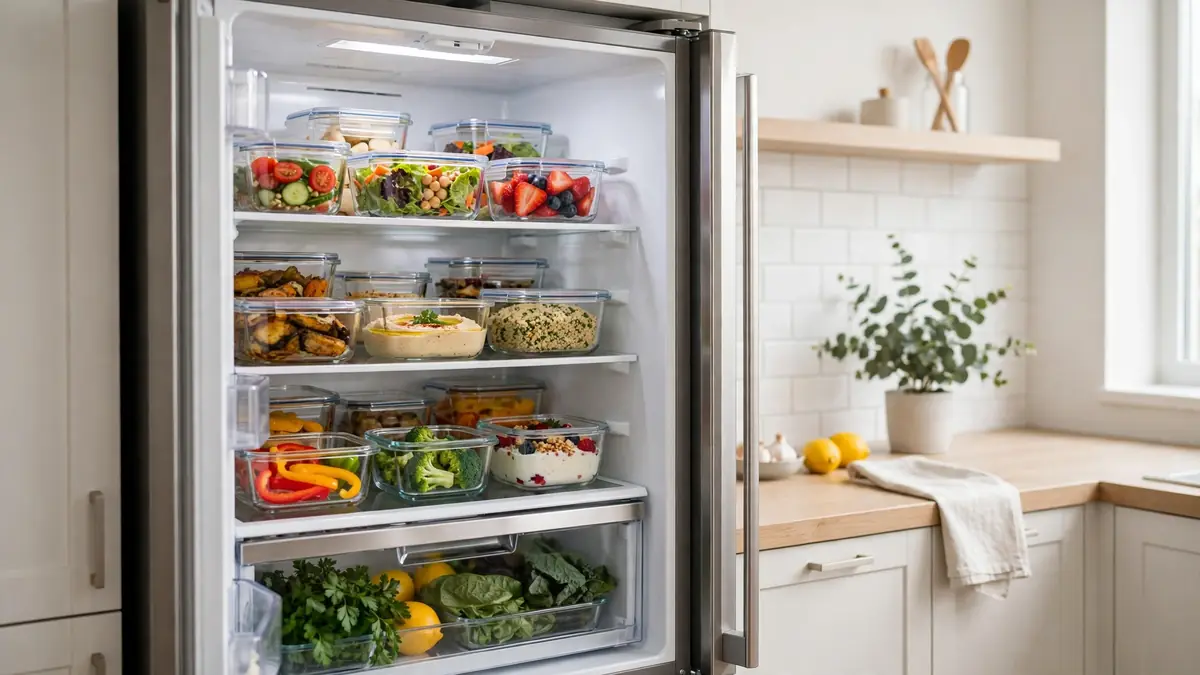
Empty the fridge, toss anything past its date, and wash every surface with two tablespoons of baking soda in a quart of warm water. Wipe stubborn spots with white vinegar, clear the drain hole and drip pan, then air it out for fifteen minutes. Keep an open box of baking soda inside and swap it monthly.
Find the Source Before You Clean Anything
A fridge smell always has a source, and spraying air freshener over it never works for long. The smell comes from something specific: leftovers that went bad, milk that spilled and dried under a shelf, a bag of salad that turned to soup in the crisper, or a drain hole that has gone stale. Your first job is to find it. Open the fridge, take a slow breath, and work shelf by shelf. Check the back of every shelf, where bottles hide and spills pool. Look under the crisper drawers and behind the door bins. Once you know what is causing it, the cleaning is simple. Skip this step and you will scrub everything and still wonder why the smell came back.
Empty It Out and Toss Without Mercy
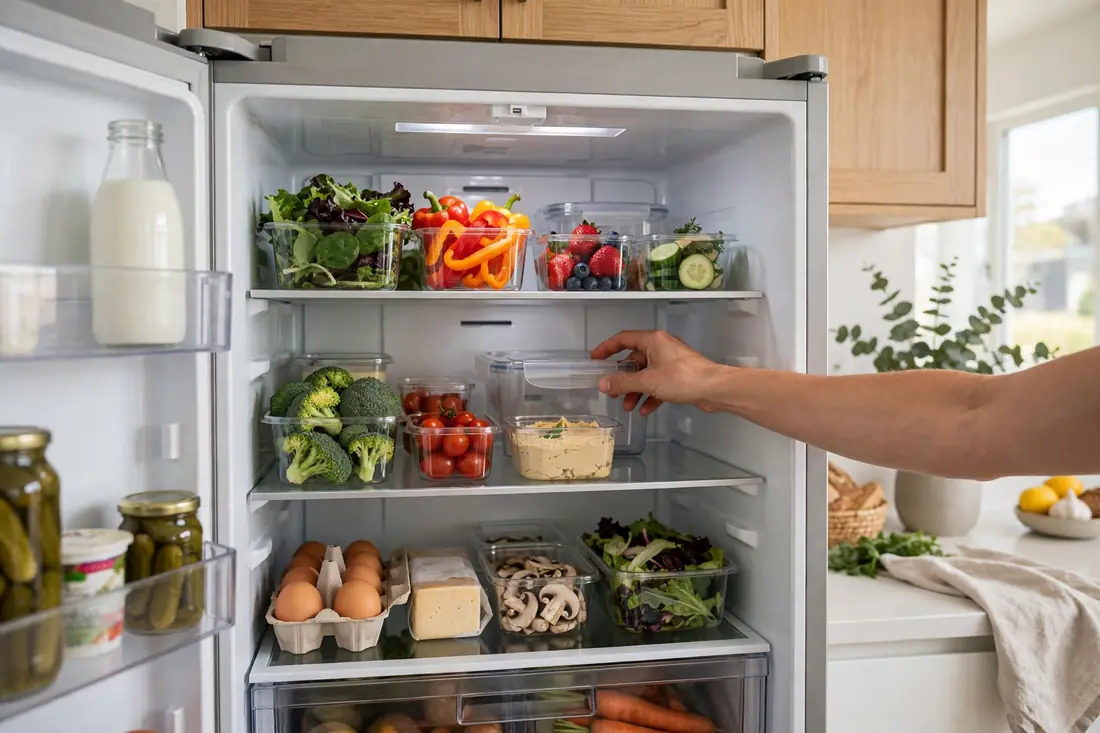
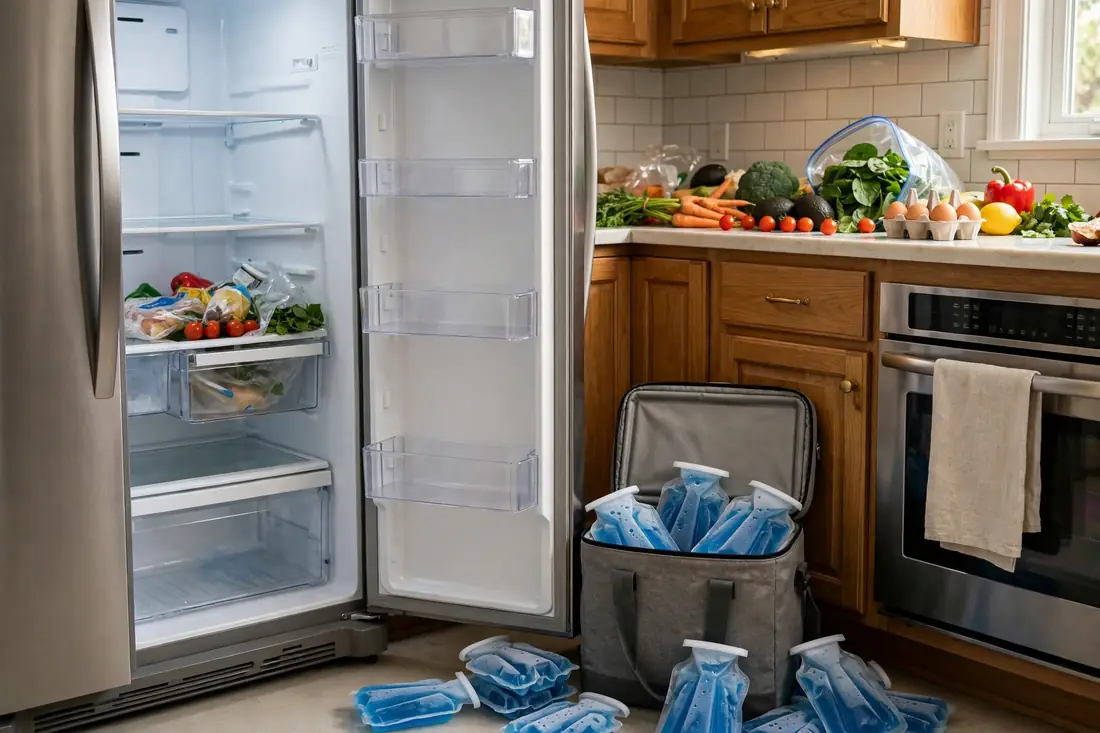
Take everything out of the fridge and sort it into keep and toss. Put the food you are keeping in a cooler with ice packs so it stays cold while you work. Then be strict with the rest. Anything past its date goes. Anything you cannot identify, or that smells off when you open it, goes too. Leftovers older than four days belong in the trash, even if they look fine. This is also the moment to pull out the shelves and drawers, since most of them lift out with a small tug. A half-empty fridge is easier to clean than a packed one, and the food you throw away now is the food that would have made the smell worse next week.
- A cooler with ice packs for food you keep
- Trash bags for anything past its date
- A box of baking soda and white vinegar
- Clean cloths and a bowl of warm water
The Baking Soda Wash
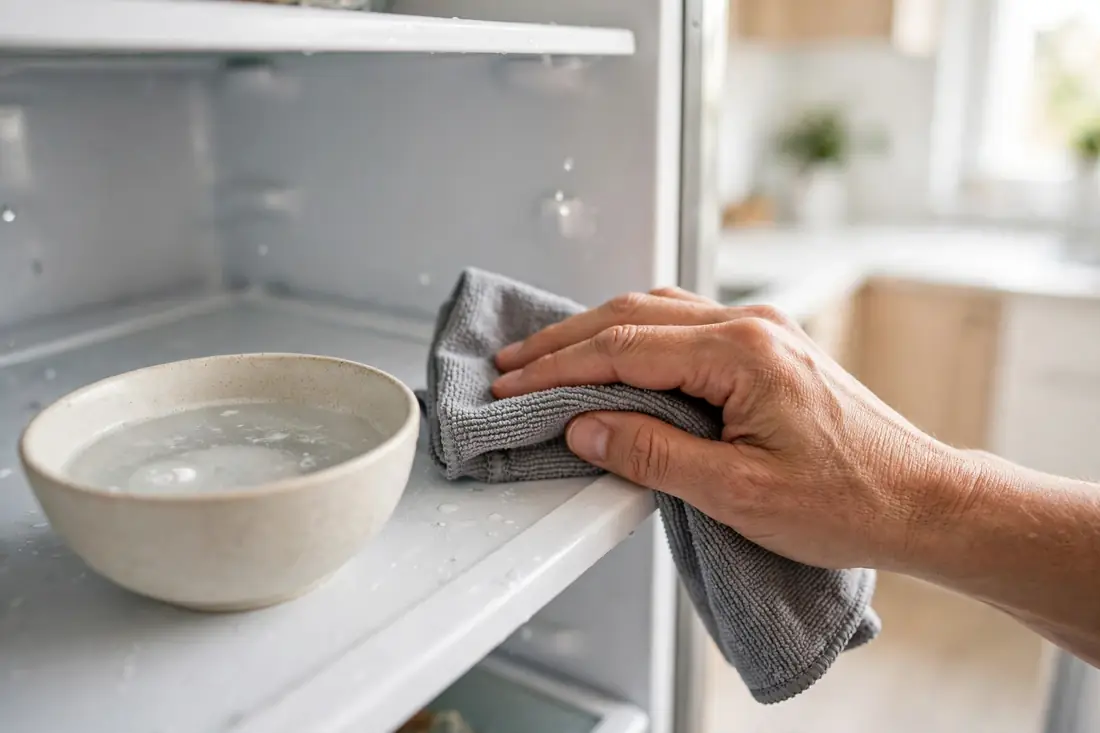
Mix two tablespoons of baking soda into a quart of warm water. That is the wash the USDA recommends for cleaning a fridge, and it works because baking soda neutralizes the acids that cause most food smells instead of just covering them. Dip a clean cloth in the solution and wipe every surface: shelves, walls, door bins, and the inside of the drawers. Work from the top down so dirty water does not drip onto clean shelves. For dried spills, lay a damp cloth over the spot for a few minutes to soften it before you scrub. Rinse the cloth often in plain water, and finish with a wipe of clean water so no baking soda film is left behind.
A Vinegar Wipe for Stubborn Spots
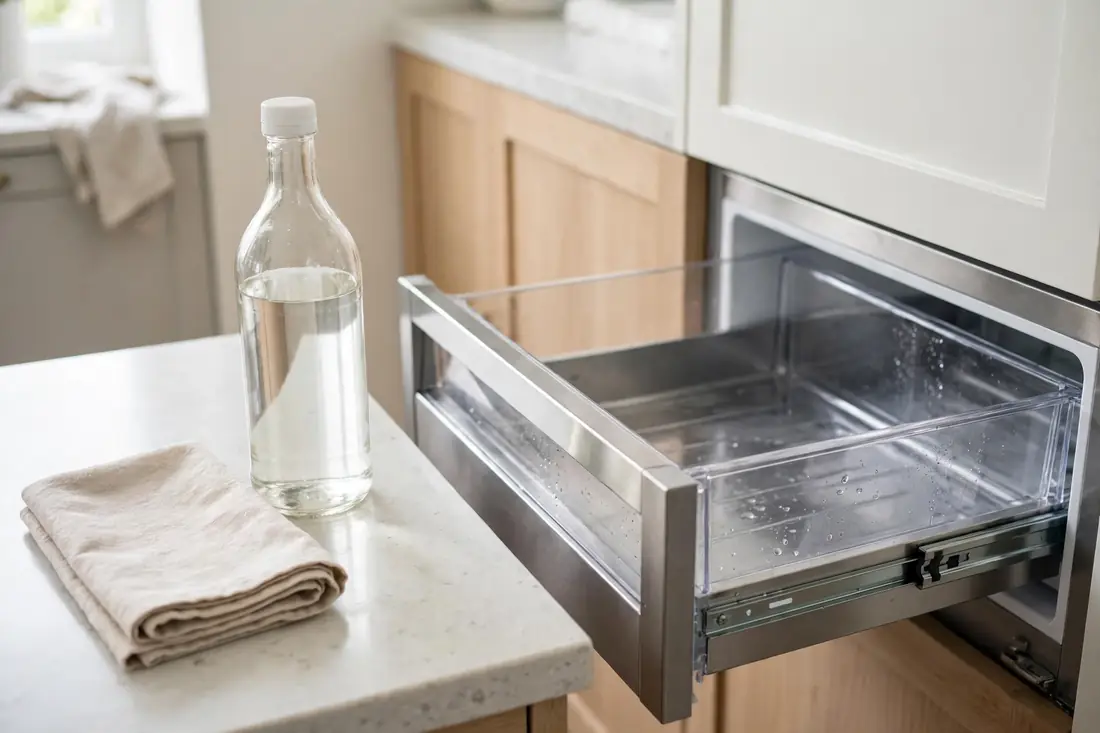
Some smells cling to plastic long after the food is gone, and plain water will not move them. For those spots, wipe the surface with undiluted white vinegar on a cloth. The acid cuts through sticky residue and kills the odor at the same time. Let it sit for five minutes, then wipe again with a damp cloth and dry the surface. Vinegar works well on the crisper drawers, where juice and produce drips tend to dry into a film. One warning: never mix vinegar with bleach, and never use bleach in the fridge at all. The two together make toxic fumes, and the fridge is the last place you want them. Vinegar and baking soda, used one after the other with a rinse between, are all you need.
Check the Drain Hole and Drip Pan
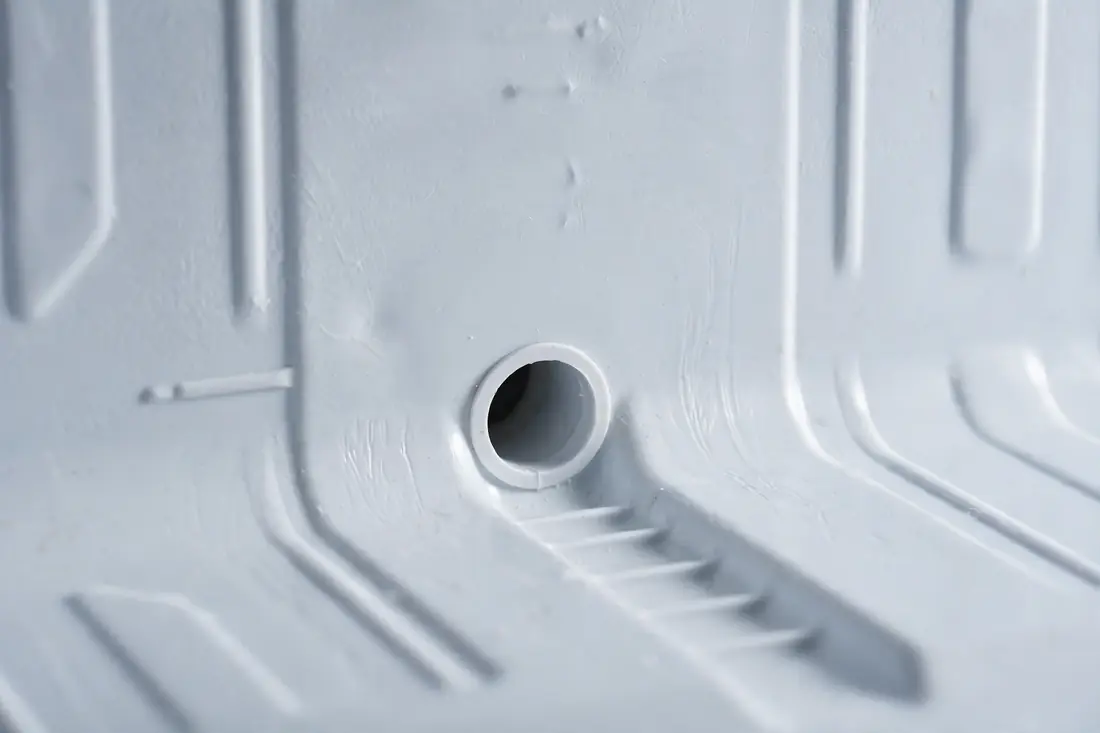
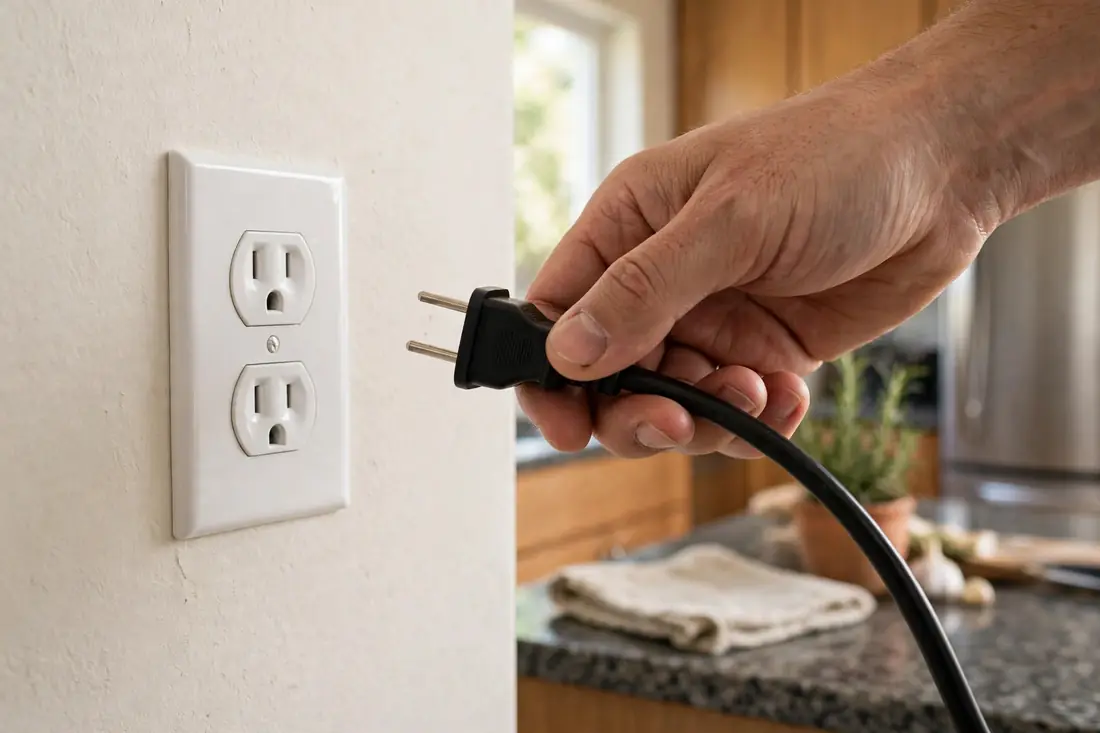
Most people clean the shelves and still miss the two places that cause the worst smells. The first is the drain hole at the back of the fridge section, a small opening that carries condensation away. It clogs with food bits and grows stale, so flush it with a little warm water using a turkey baster or a squeeze bottle. The second is the drip pan underneath the fridge, which catches that water. Pull the fridge out carefully, find the shallow pan near the bottom, and check it. If it holds stale water, empty it, wash it with soapy water, and dry it before sliding it back. Unplug the fridge before you reach underneath, and plug it back in when you are done.
Air It Out for Fifteen Minutes
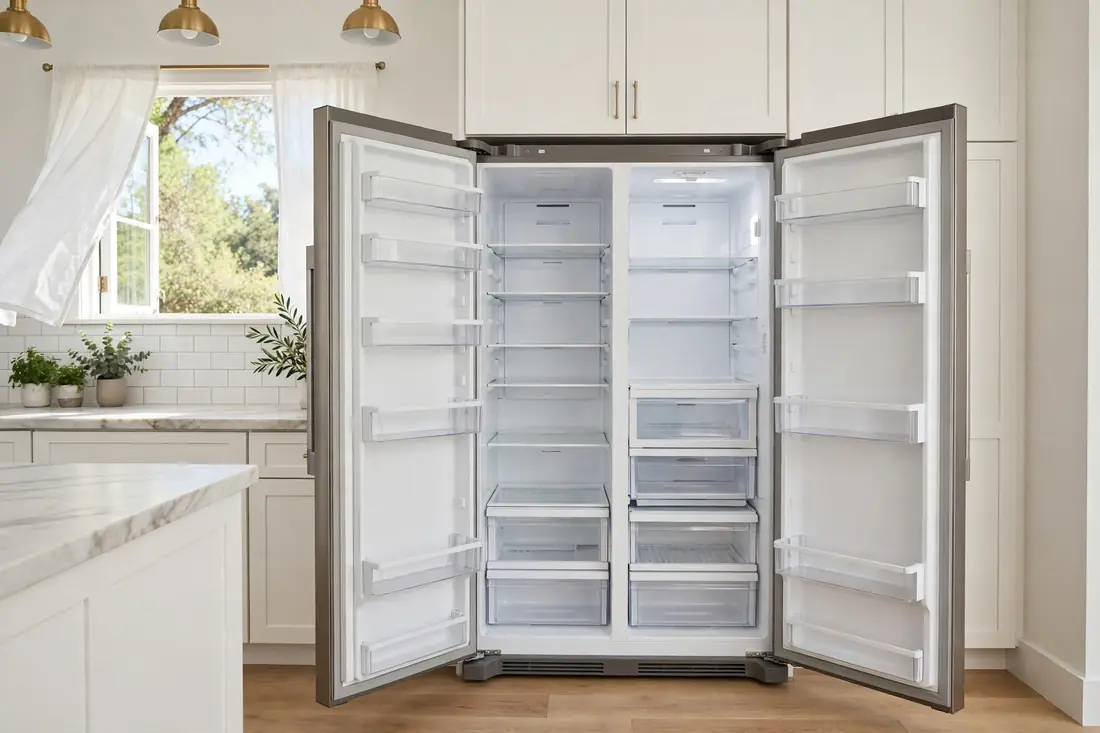
Once everything is washed, leave the fridge doors open for about fifteen minutes. The USDA suggests this step, and it matters more than it sounds. Airflow carries away the damp, stale air that holds odor, and it lets every surface dry fully before food goes back in. Wipe the shelves dry with a clean towel first, then leave the doors open while you wipe the outside and the handles. Do not rush this. A fridge that is restocked while still damp will smell musty within a day, because moisture feeds the same bacteria that caused the problem. Fifteen minutes of open doors costs nothing and saves you a second cleaning.
Keep a Box of Baking Soda Inside
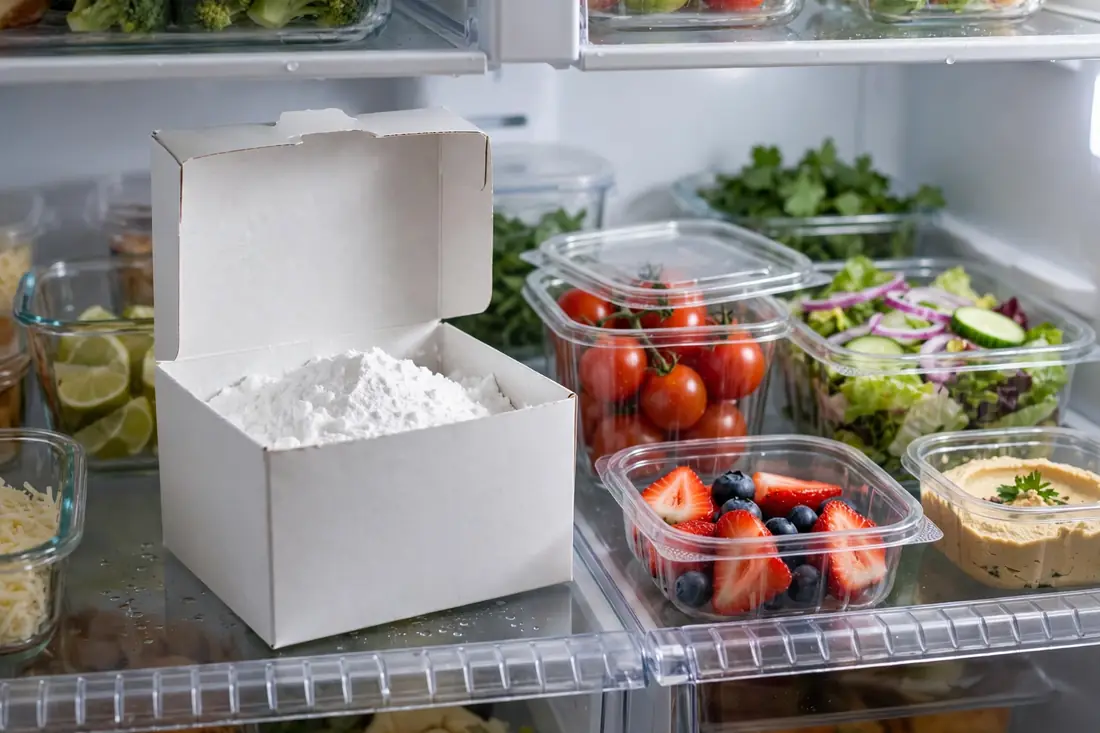
After the fridge is clean, put an open box of baking soda on a middle shelf. It absorbs the small everyday odors that build up between cleanings: onion, garlic, leftover curry, strong cheese. Write the date on the box with a marker and swap it for a fresh one every month. A box that has been sitting there for six months is doing nothing. Do not use the box from the fridge for baking afterward, since it has spent a month soaking up smells. If you want a stronger effect, place a second small bowl of baking soda near the back of the fridge, where air moves least. It is the cheapest odor control there is, and it works quietly in the background.
Smells That Mean Something Is Wrong
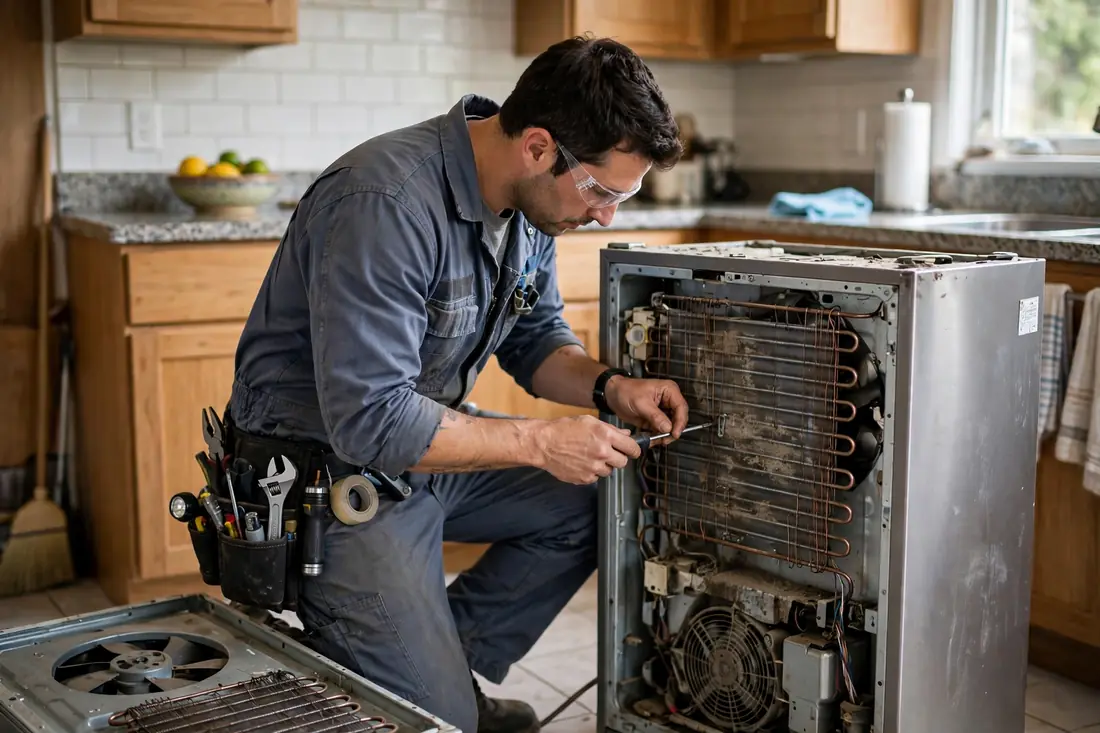
Most fridge smells are just old food, but a few are warnings. A chemical or sweet smell that will not go away after a full clean can point to a coolant leak, and that needs a repair technician. A burning smell means something electrical is failing, so unplug the fridge and call for service right away. A rotten-egg smell near the back of the unit can come from a gas line if your home uses gas, so leave the area and call your gas company from outside. Do not try to fix any of these yourself. A normal food smell fades once the source is gone. A smell that survives a full cleaning, or one that smells like chemicals, gas, or burning, is a different problem entirely.
Stop It From Coming Back
Keeping a fridge fresh is mostly about small habits. Store leftovers in sealed containers, not open bowls covered with foil, since lids stop smells from spreading to everything else. Date leftovers with a marker and toss them after four days. Wipe up spills the same day they happen, before they dry into a film under a shelf. Give the fridge a quick wipe once a week, even if it looks clean, and check the crisper drawers for produce that has gone soft. Keep the fridge at 40 degrees Fahrenheit or below, because food spoils faster above that line and spoiled food is where smells start. These habits take five minutes a week and keep you from ever needing a deep clean again.

When to Call a Professional
A full clean fixes almost every fridge smell, but not all of them. If the smell comes back within days of a careful cleaning, something is hiding where you cannot reach it, like mold behind a wall panel or a dead mouse in the works. If you smell coolant, which is sweet and chemical, stop using the fridge and call a repair technician. If the fridge runs constantly, sweats on the outside, or cannot hold temperature, the cooling system may be failing, and that needs a pro too. Do not keep spraying deodorizer into a fridge that smells wrong. A persistent smell after a real cleaning is your fridge telling you something, and a technician can find it in one visit.
✅ Guide4U Checklist
- Empty the fridge completely first
- Toss food past its date
- Wash with baking soda and warm water
- Wipe stubborn spots with vinegar
- Clear the drain hole and drip pan
- Air it out for fifteen minutes
- Keep baking soda inside, change monthly
Key Takeaways
- Find the source, do not mask it
- The drain hole and drip pan hide the worst smells
- Sealed containers stop smells coming back
Frequently Asked Questions
How long does it take for a fridge smell to go away?
Usually right after a full clean, once the source is gone and the shelves are washed. If the smell has soaked into the door gasket or the plastic walls, it can take a day with an open box of baking soda inside. If it is still there after two days of a clean fridge, the drain hole or drip pan is the likely hiding place.
Does baking soda really absorb fridge smells?
Yes, it works. Baking soda neutralizes the acidic molecules that cause most food smells, rather than covering them up. Keep an open box on a middle shelf and swap it for a fresh one every month. Write the date on the box so you remember. A box that has sat there for a year has already done all it can do.
Can I use bleach to clean my fridge?
Skip bleach inside the fridge. It is strong, it needs careful rinsing, and it must never mix with vinegar or ammonia, which are both common fridge cleaners. A baking soda wash does the job without those risks, and it is safe around food. If a spot needs more power, use plain white vinegar on a cloth instead.
Why does my fridge still smell when it is empty?
The smell is hiding somewhere you did not clean. Check the folds of the door gasket, the drain hole at the back of the fridge section, and the drip pan underneath the unit. Odors also soak into plastic containers and the walls themselves, so wipe every surface, including the ones you rarely touch.
What did you think of this article? Share your opinion in the comments below — we would love to hear from you.