
How to Remove Paint from Clothes
Quick Answer
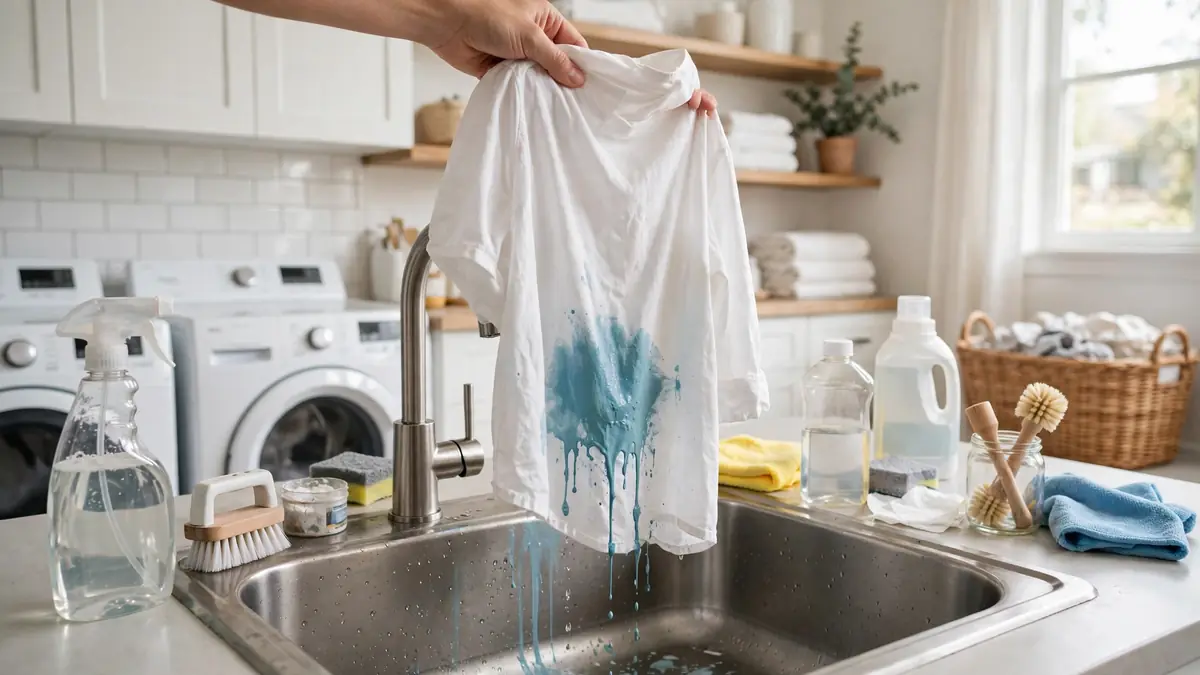
For wet latex paint, rinse from the back of the fabric with warm water and work in dish soap, then rinse and repeat. For dried paint, scrape off flakes, soak in soapy water, and dab with rubbing alcohol. Oil-based paint needs a solvent like paint thinner or rubbing alcohol, tested on a hidden seam first, and never put the garment in the dryer until the stain is completely gone.
Act Fast: Wet Paint Is a Different Problem
Paint on a shirt feels like a disaster, but it is usually fixable if you move fast. The clock matters more than the method, because wet paint lifts off fabric far more easily than paint that has had time to dry and bond with the fibers. The moment you notice the stain, stop painting and deal with it right there. Scrape off any thick blobs with a dull knife or an old credit card, working from the outside in so you do not spread the spot wider. Then blot, never rub, with a clean cloth or paper towel. Rubbing pushes the paint deeper into the weave and can turn a small spot into a faint wash of color across the whole area. What you do next depends on the kind of paint you are dealing with.
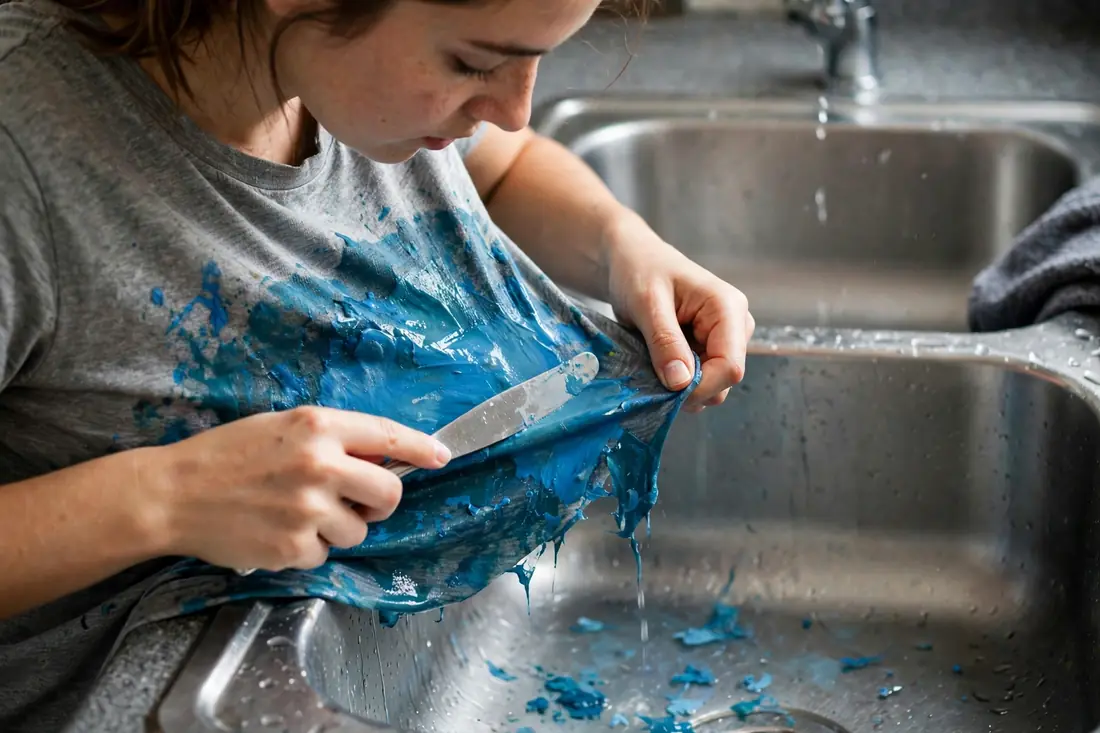
Figure Out What Kind of Paint It Is
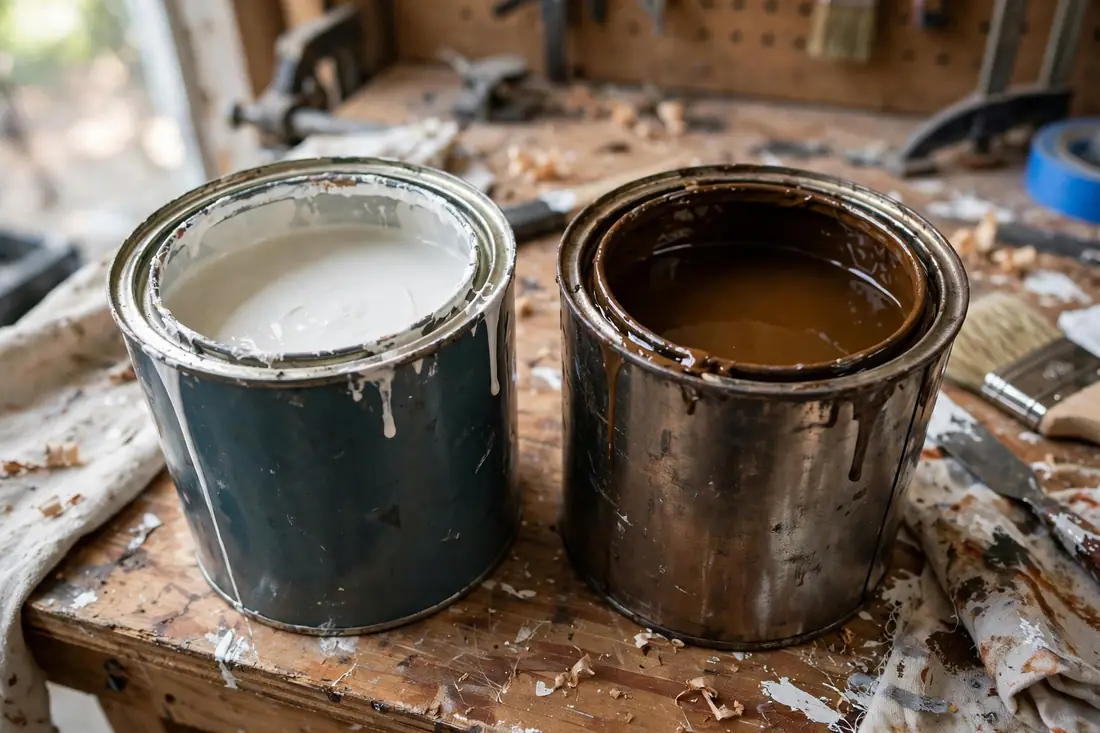
Most paint on clothes is one of two types, and telling them apart decides everything you do next. Latex paint, the water-based kind used for most interior walls and craft projects, cleans up with soap and water while it is wet and stays workable even after it dries. Oil-based paint, common for trim, doors, and some outdoor jobs, needs a solvent and a lot more patience. Check the can if you still have it: latex says water cleanup on the label, while oil-based paint says mineral spirits or paint thinner. If the can is gone, think about the job. Wall paint in a US home is usually latex, but trim paint and anything labeled enamel is often oil-based. When in doubt, start with the gentle latex method first. If soap and water do nothing, it is probably oil-based.
How to Remove Wet Latex Paint
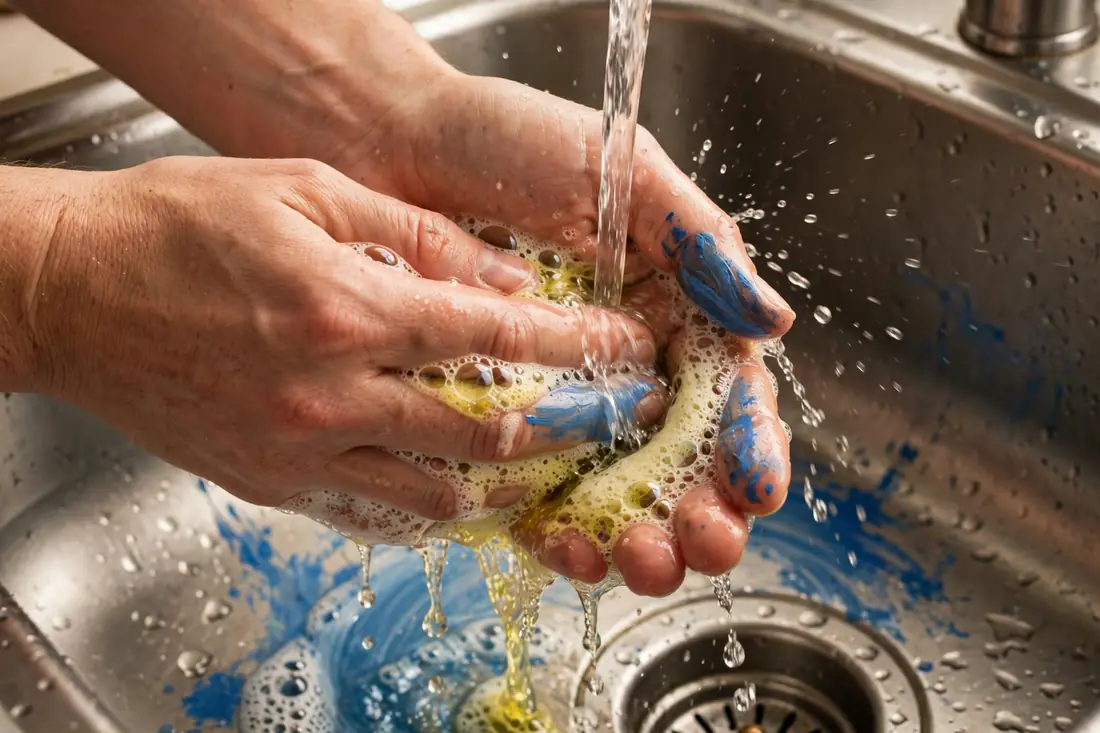
Wet latex paint is the easiest stain in this whole guide, and plain dish soap does most of the work. Run the stained area under warm water from the back of the fabric, so the water pushes the paint out instead of driving it deeper. Rub a few drops of dish soap into the spot with your fingers or a soft toothbrush, working from the outside edge toward the center. Rinse, then repeat: soap, scrub gently, rinse. A small splatter usually clears in two or three rounds. If the paint has started to set but is still a little soft, soak the garment in warm water with a squirt of dish soap for 30 minutes first, then work it the same way. Check the stain in good light before you wash the item normally.
- Warm water from the back of the fabric
- A few drops of dish soap
- Soft toothbrush or your fingers
- Rinse and repeat until clear
Dried Latex Paint: Scrape, Soak, Repeat
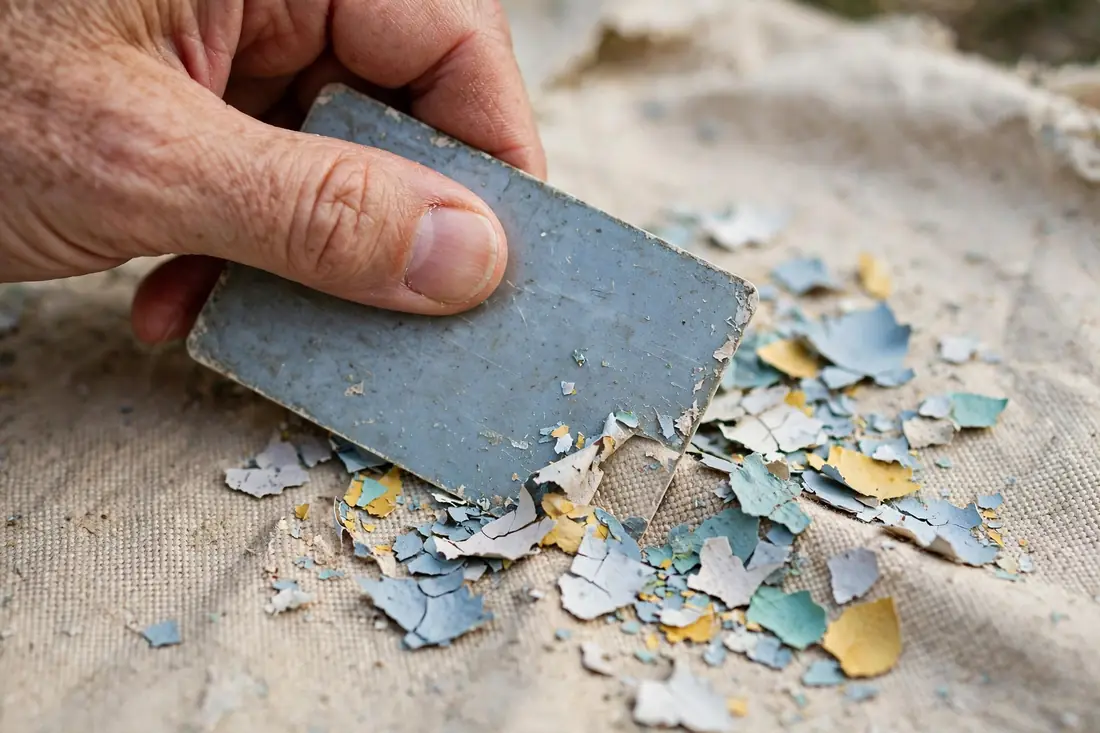
Dried latex paint takes more patience, but it still comes out more often than not. Start by scraping off as much as you can with a dull knife, a spoon, or an old credit card, then brush away the flakes. Next, soak the stain in a mix of warm water and dish soap for an hour, or overnight if the paint is thick. Rubbing alcohol is the next step up: pour a little onto a clean cloth and dab it on the stain, letting it sit for a few minutes to soften the paint. Scrape and blot again, then soak once more. You may need three or four rounds before the color fades, and that is normal. Warm white vinegar can help too, but test it on a hidden seam first, since it can lighten some dyes.
Oil-Based Paint: Solvents, Patience, and Fresh Air
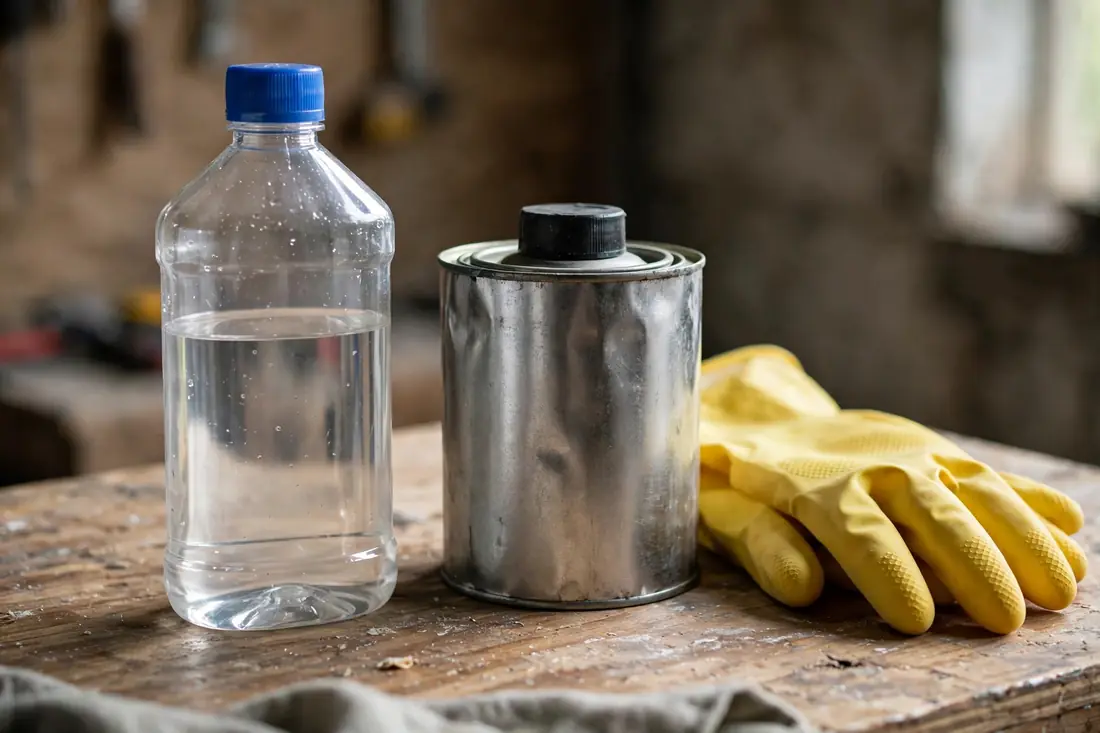
Oil-based paint does not budge with soap and water, so you need a solvent, and this is the one job in the guide where you should slow down and read the label first. Paint thinner or mineral spirits work, and rubbing alcohol is a gentler first try that handles many oil-based spots on its own. Always test the solvent on an inside seam or hem first: dab a little on, wait five minutes, and check that the color of the fabric has not changed. If it is safe, blot the stain from the back with a cloth dampened in solvent, turning the cloth to a clean spot as paint transfers onto it. Work outside or near an open window, wear gloves, and keep the bottle far from any flame or heat source. Wash the garment with dish soap and warm water once the paint is gone.
Paint on Denim and Jeans
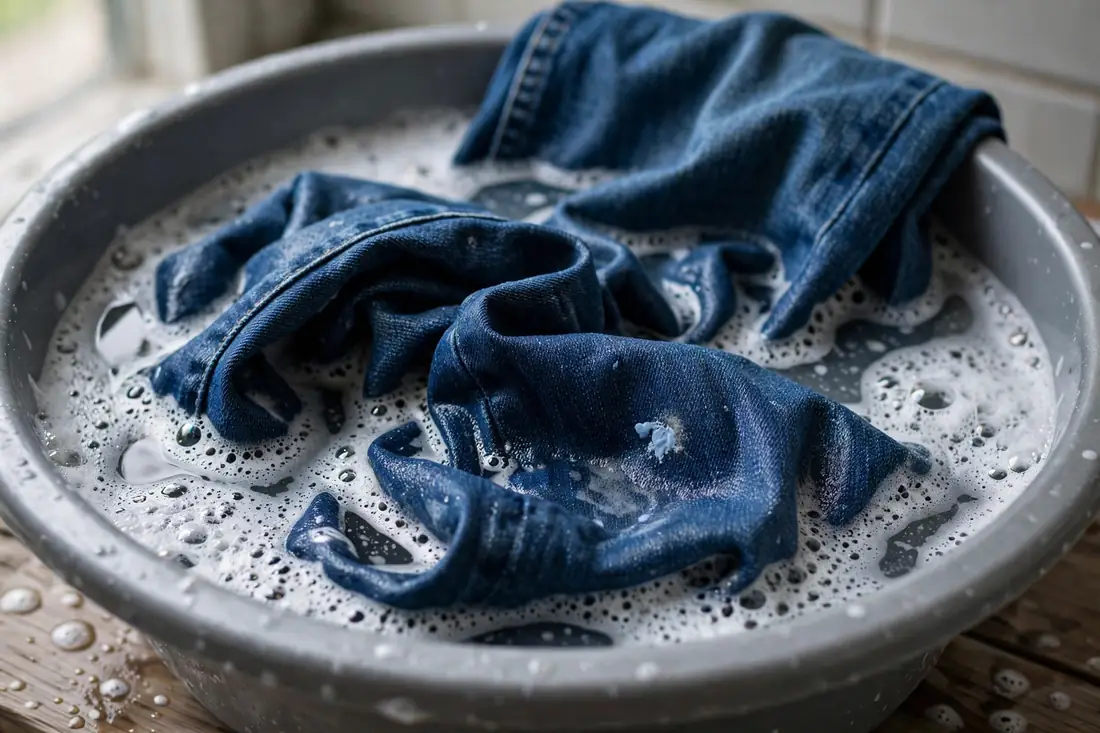
Denim is tough fabric, so it forgives a harder scrub than most clothes, and that is good news, because jeans seem to attract paint. Scrape off the dried paint, then soak the stained leg or cuff in warm soapy water for an hour. Rubbing alcohol works well on denim too, and the thick weave hides a lot of scrubbing. Work it in with an old toothbrush, then rinse and check. The risk with jeans is not the fabric but the dye: dark indigo can fade if you leave alcohol or thinner sitting on it too long, so keep the solvent on the stain itself and rinse often. On light-wash jeans, a faint shadow may linger, and that is usually dye that came off with the paint, not paint left behind.
Wool, Silk, and Other Delicates
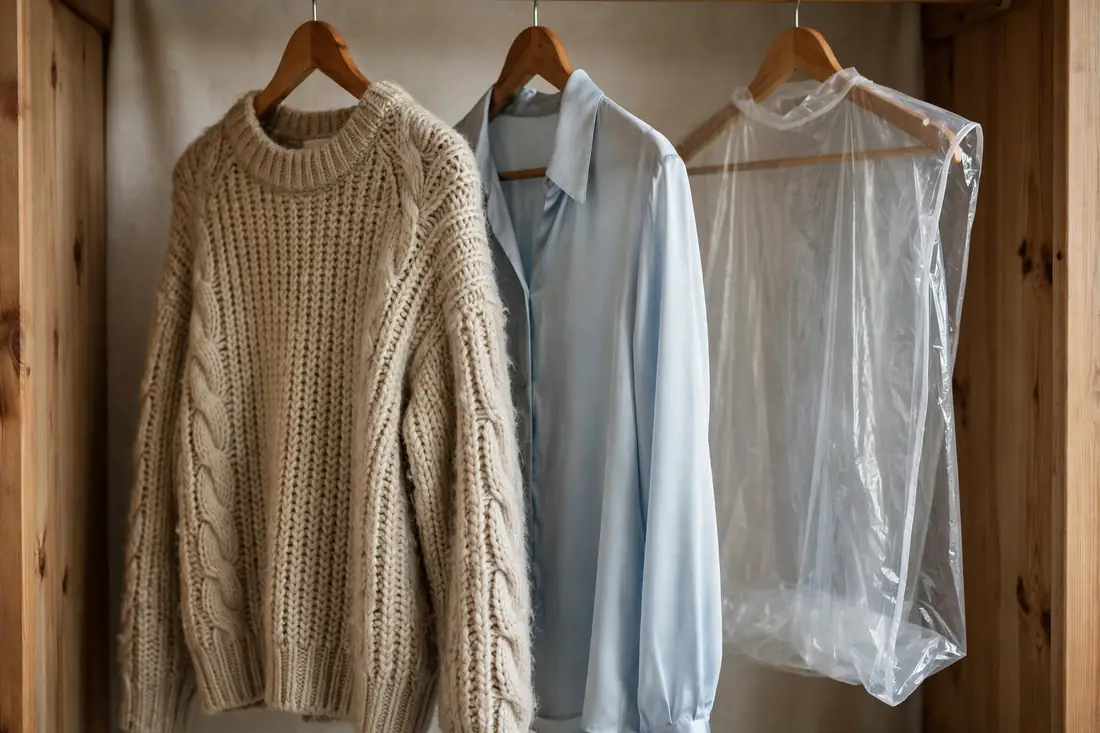
Delicate fabrics change the rules. Wool, silk, and anything labeled dry clean only should never meet paint thinner or strong solvents, because those chemicals can dissolve the fibers themselves or leave a stain worse than the paint. For a fresh latex spot, blot gently with cool water and a drop of mild dish soap, and do not scrub, since scrubbing felts wool and roughs up silk. If the paint has dried, stop and take the garment to a dry cleaner, and tell them exactly what kind of paint it is if you know. A good cleaner has solvents made for delicate fabric and can often save a garment you would ruin at home. The cleaning bill is far cheaper than replacing a good wool sweater or a silk blouse.
The Dryer Rule: Heat Sets Paint for Good
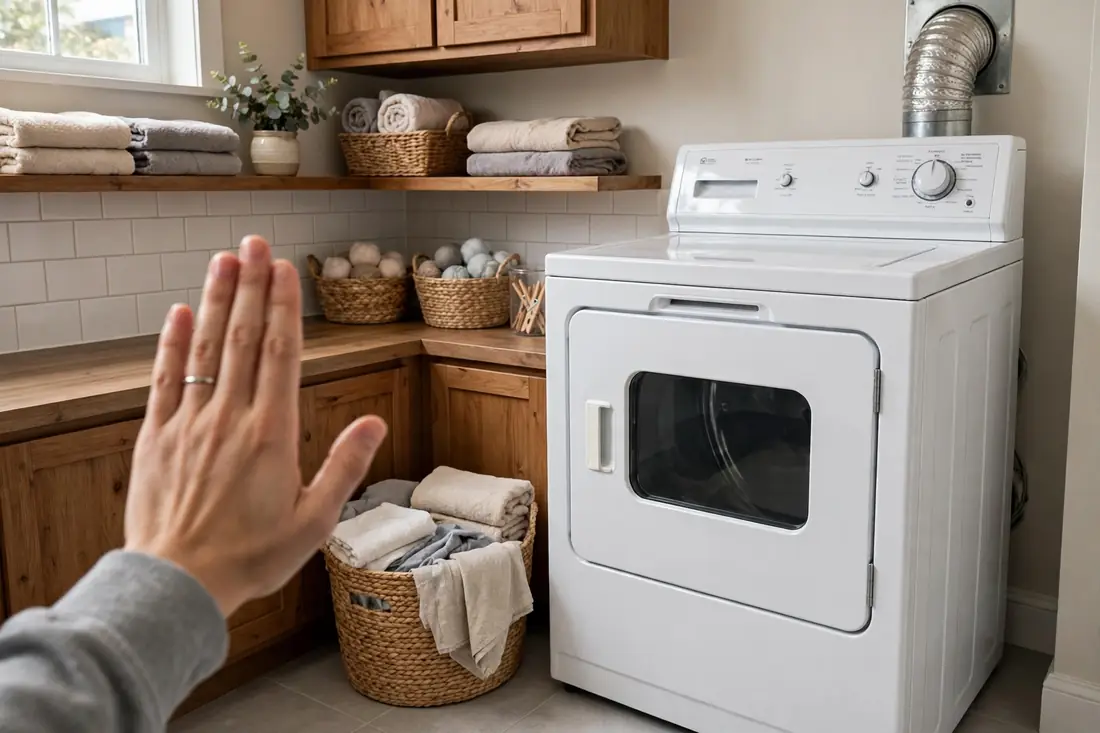
This is the one rule in the guide that matters more than any cleaning trick: never put a paint-stained garment in the dryer until the stain is completely gone. Dryer heat bonds paint to fabric fibers, and once that happens, no amount of soap or solvent will lift it out. The same goes for ironing over a stain. Always check the stain in good light after the wash, and if you can still see any trace of color, treat it again and wash it again. Air-dry the garment between rounds so you can see what is left. Patience here is what saves the shirt.
When the Stain Just Won't Budge
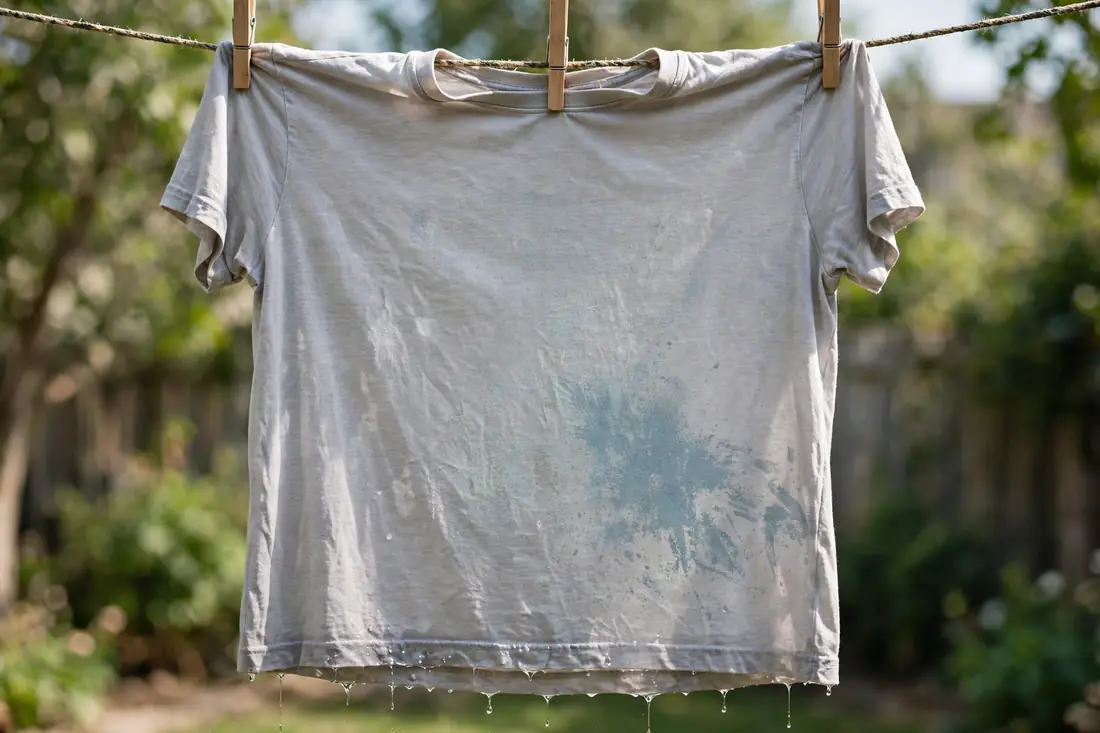
Sometimes a stain survives every method, and it helps to know when to stop. Paint that has been through the dryer, paint that has sat for weeks, and thick oil-based paint on thin fabric are the hardest cases, and repeated scrubbing can wear a hole in the fabric before the color comes out. Try one last round: soak the stain in rubbing alcohol for an hour, then work it with a toothbrush and wash it. If a faint shadow remains, you can live with it on work clothes or cover it with a patch or an iron-on design. For a favorite garment, a dry cleaner is worth one try, since their solvents are stronger than home products. And if the stain is on a cheap shirt you wear for painting anyway, call it a work shirt and move on.
Safety Basics When You Work With Solvents
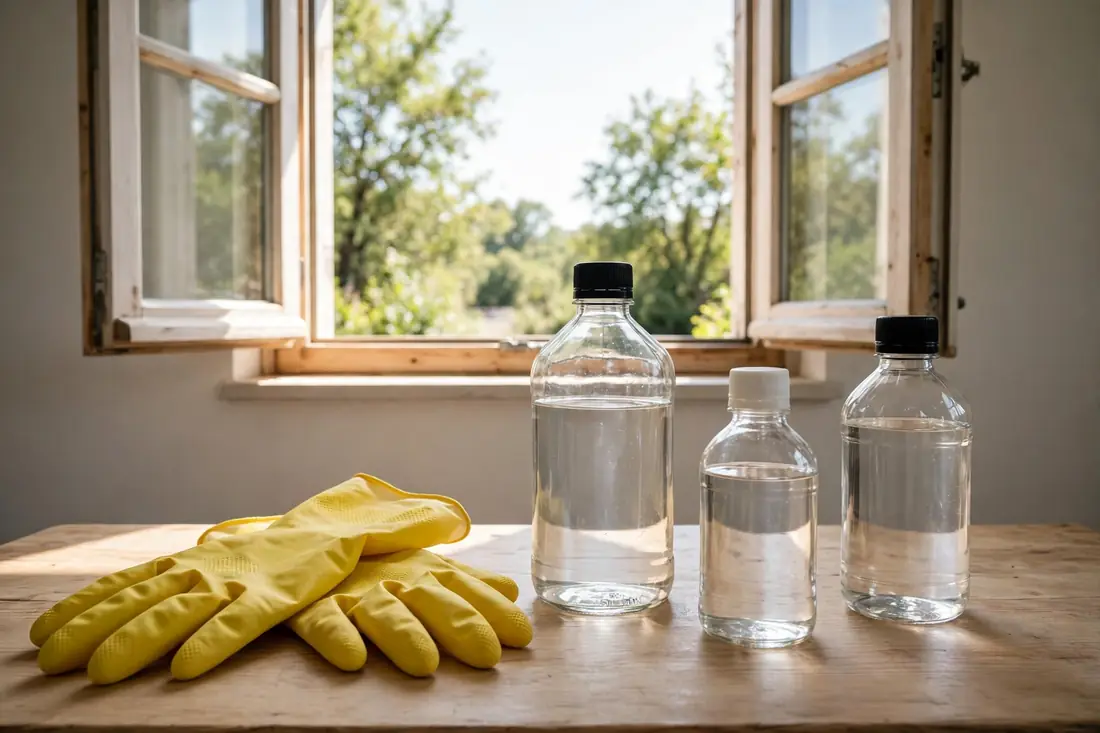
Paint thinner, mineral spirits, and even rubbing alcohol deserve a little respect. Work in a room with a window open or step outside, since solvent fumes build up fast in a closed space and can give you a headache. Wear rubber gloves, because solvents dry out your skin and some can irritate it badly. Keep every bottle capped, upright, and far away from kids and pets, and never pour leftover solvent down a drain or into the yard. Soak up spills with paper towels, let them dry outside, and throw them away in the outside trash. Lay rags soaked in oil-based paint or thinner flat outside until fully dry, since a balled-up solvent rag can heat up on its own. Follow the label on every product.
✅ Guide4U Checklist
- Act fast and scrape off thick paint
- Blot, never rub, the stain
- Identify latex or oil-based paint
- Rinse latex paint from the back
- Test solvents on a hidden seam
- Air-dry until the stain is gone
Key Takeaways
- Wet paint comes off far more easily than dried paint, so act fast.
- Dish soap and warm water handle most wet latex paint on their own.
- Heat from a dryer sets a paint stain for good, so always air-dry first.
Frequently Asked Questions
Does dish soap really remove paint from clothes?
Yes, for wet latex paint it is often all you need. Dish soap breaks up water-based paint, and warm water from the back of the fabric pushes it out of the weave. Work a few drops into the stain, rinse, and repeat until the color is gone. It will not help much with oil-based paint or paint that has dried hard, but it is always the right first try, since it is cheap and already in your kitchen.
Can I use nail polish remover on a paint stain?
You can, but only with care. Nail polish remover contains acetone, which dissolves many paints, but it can also dissolve synthetic fabrics like rayon and acetate and can fade dyes. Test it on an inside seam first and wait a few minutes. If the fabric holds up, dab it on with a cloth rather than pouring it on. For most stains, rubbing alcohol is a safer first choice and works just as well.
Will paint come out in a normal wash?
Wet latex paint often comes out in a normal wash if you rinse and pre-treat it with dish soap first. Dried paint and oil-based paint usually survive a normal wash untouched, and the dryer can set the stain for good. Always treat the stain and check it before washing, then wash in warm water and air-dry until the color is gone. If it is still there after the wash, treat it again.
Should I take a paint-stained suit to a dry cleaner?
Yes, if the suit is wool or labeled dry clean only. Home solvents can damage wool fibers and ruin the shape of a tailored jacket, and a dry cleaner has products made for those fabrics. Point out the stain when you drop it off and tell them what kind of paint it was if you know. The sooner you take it in, the better the odds.
What did you think of this article? Share your opinion in the comments below — we would love to hear from you.