
How to Remove Super Glue From Skin
Quick Answer
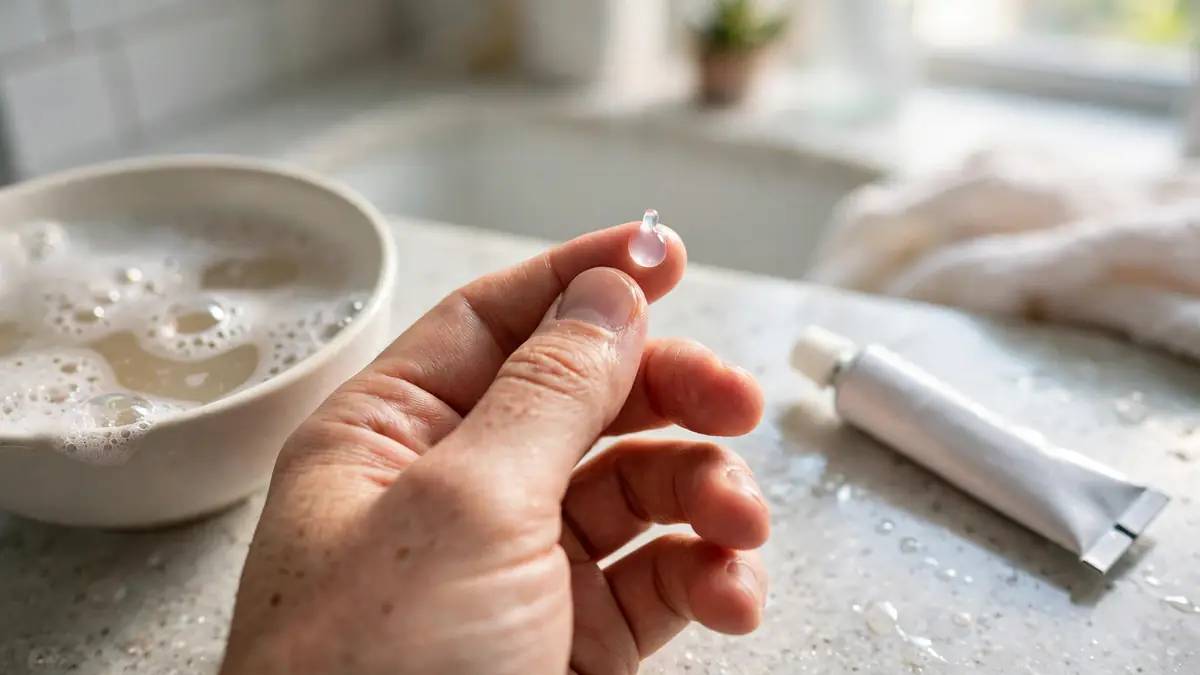
Do not pull glued skin apart. Soak it in warm soapy water for five to ten minutes, then rub in cooking oil or petroleum jelly and roll the glue off gently. Acetone is a last resort for small spots on healthy skin only, and glue on lips or near eyes means calling Poison Control at 1-800-222-1222.
First, Don't Pull
The urge to yank your fingers apart is strong, and it is also the worst thing you can do. Super glue, or cyanoacrylate, bonds to the top layer of skin almost instantly, and pulling tears that layer right off. You end up with raw, sore skin and glue still stuck to both sides. The bond is strong, but it is also thin and brittle, which is good news: it gives way to the right solvent, to oil, or simply to time and warm water. So stop, take a breath, and work through the steps below in order. Most glue comes off in a few minutes with nothing more than soap and patience, and the rest of this guide covers the cases where it does not.
Start With Warm, Soapy Water
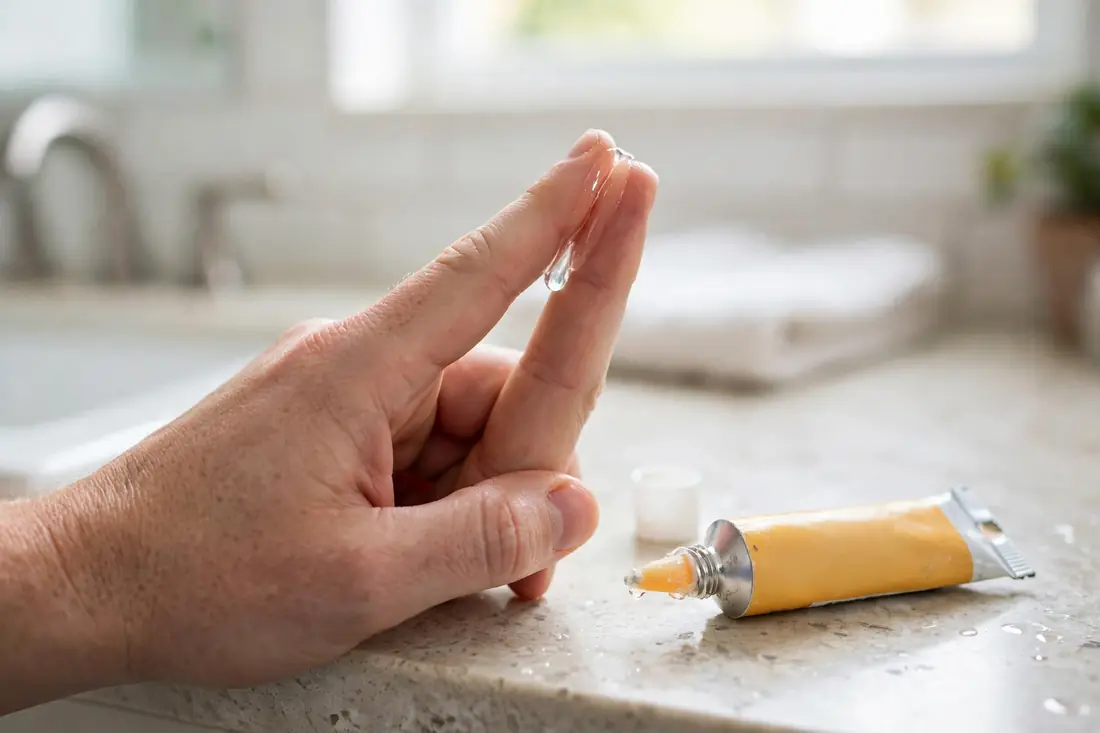
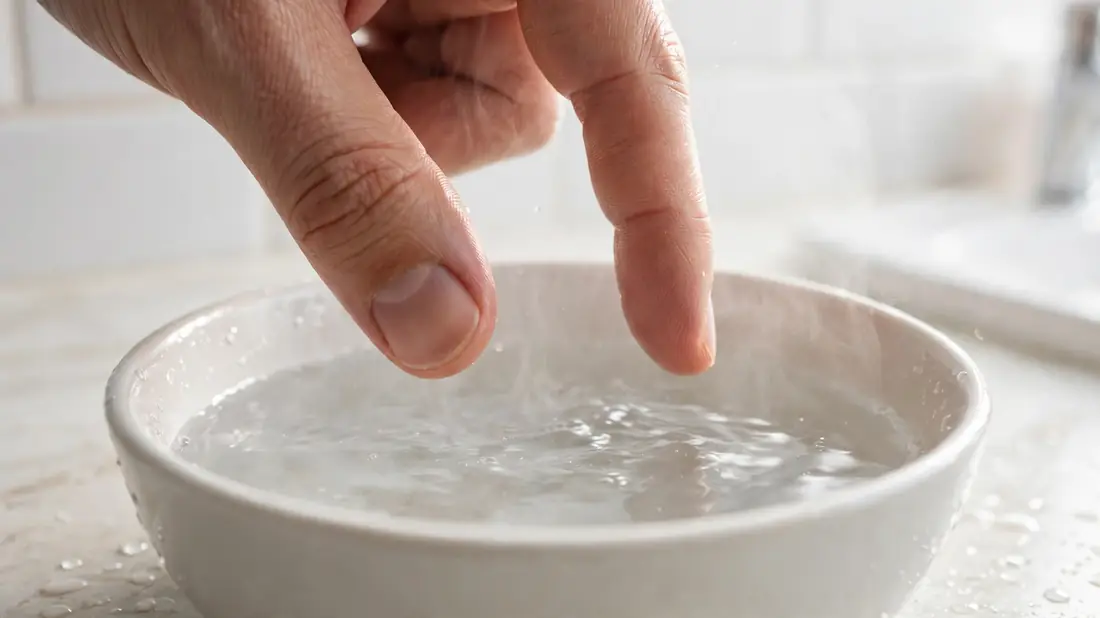
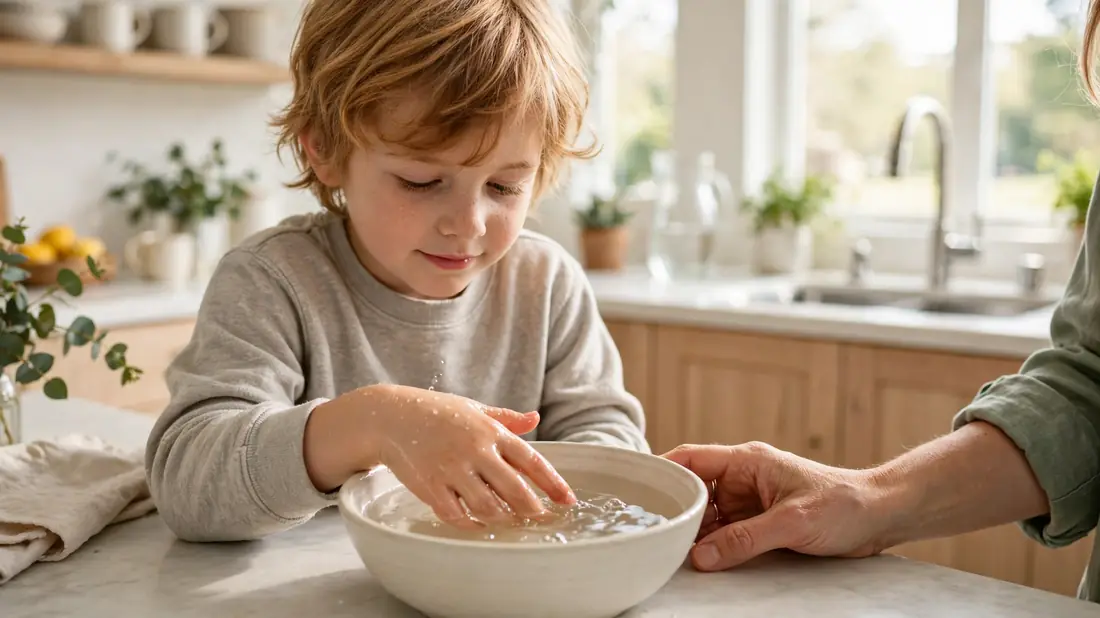
Fill a bowl with warm water, add a squirt of dish soap or hand soap, and soak the glued area for five to ten minutes. Warm water softens the glue, and the soap helps it lift from the skin. While you soak, gently rub the edges of the glue with your other thumb, or with a soft cloth, and see if a corner starts to lift. Don't scrub hard or use a rough sponge; you want the glue to peel, not the skin. For a small spot on one finger, this is often all it takes. If the glue is still firmly stuck after ten minutes, move on to the oil method below. And if your fingers are glued together, keep them soaking and work on the next step instead of trying to force them apart.
The Oil Trick: Kitchen Oil or Petroleum Jelly
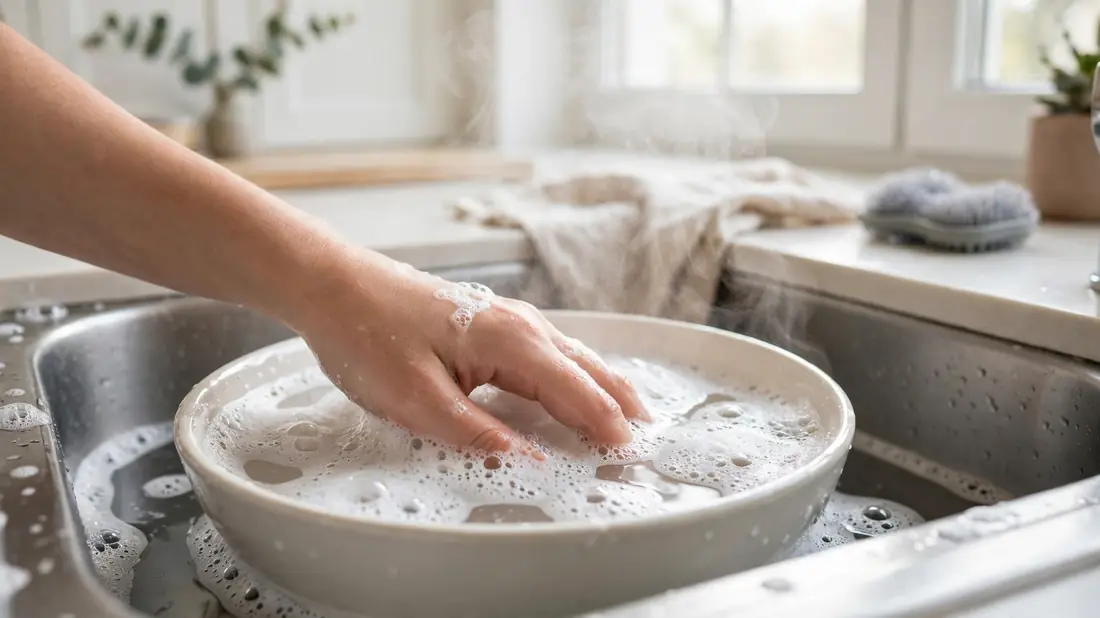
Oil is the gentlest way to break a super glue bond, and it works on almost every spot. Rub a little cooking oil, baby oil, or petroleum jelly into the glued area and massage it in for a minute or two. The oil creeps under the edge of the glue and weakens the bond, and the rubbing helps it along. Keep working at it, adding a little more oil as you go, and the glue should start to roll up into small bits you can pick off. This is the best method for children and for sensitive skin, since it does not sting and does not dry the skin out. It is also the right choice for glue near the face, where you want to avoid strong chemicals entirely. If oil does not finish the job, the salt paste below usually will.
Salt and Water Paste for Stubborn Spots
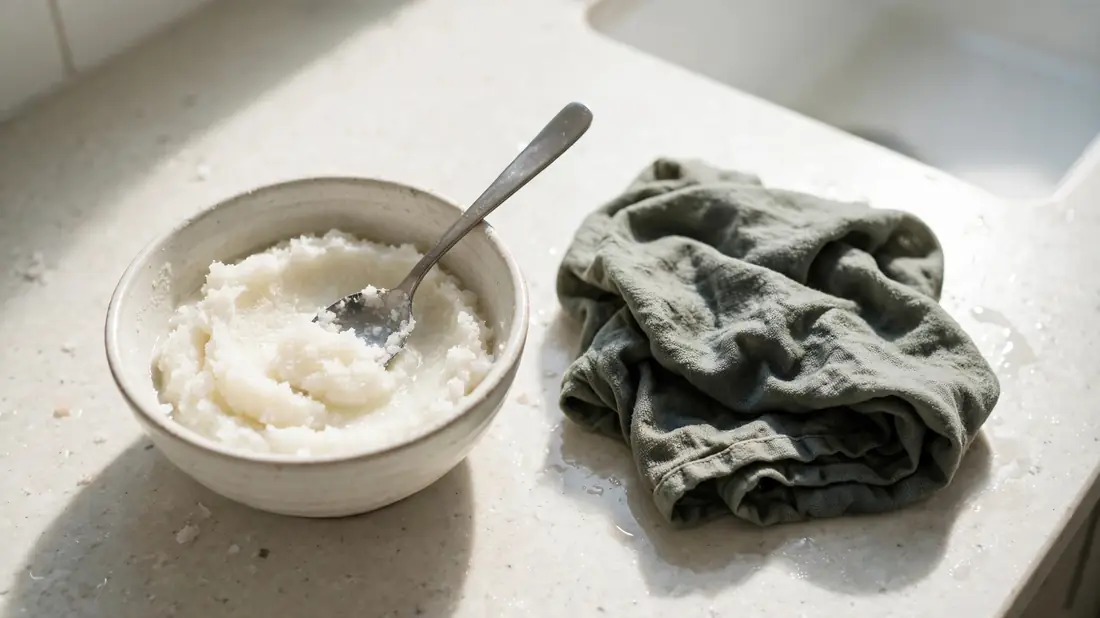
When oil leaves a thin film of glue behind, a simple salt paste takes care of it. Mix two tablespoons of table salt with a little warm water, just enough to make a thick paste, and rub it gently over the glued skin for about a minute. The salt crystals give you a mild scrubbing action without tearing the skin the way a scouring pad would, and the paste keeps the salt in place while you work. Rinse, dry, and check: if a faint white film is left, repeat once more. This works well on knuckles and fingertips, where the skin is tough. Skip it on any spot where the skin is already broken or raw from pulling, since salt on an open patch of skin stings and slows healing. For those spots, stick with oil and warm water.
Acetone as a Last Resort
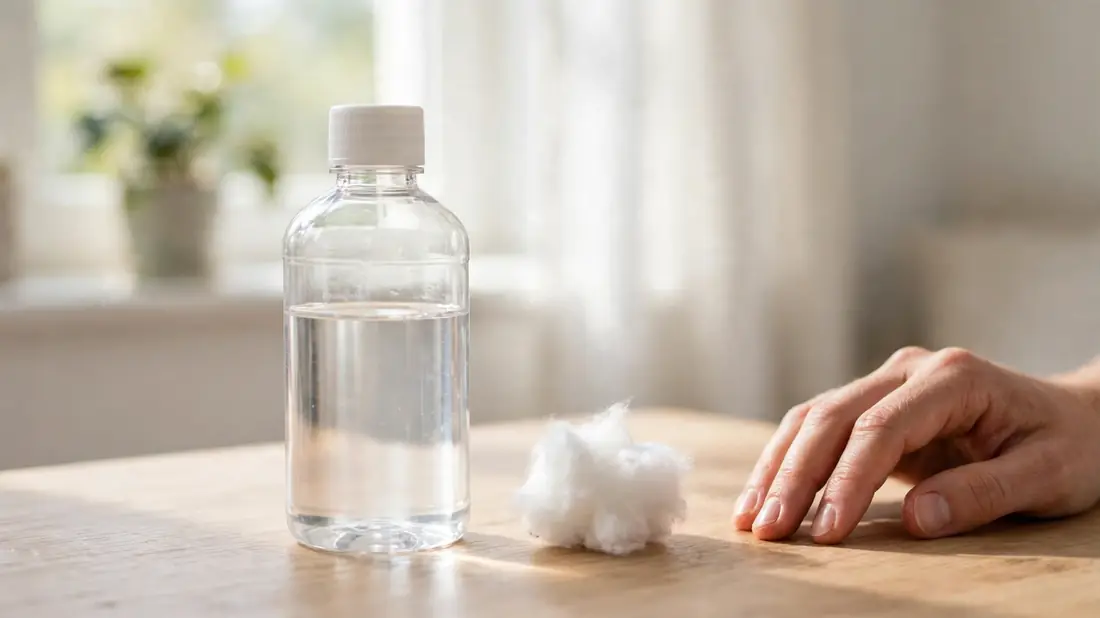
Acetone, the active ingredient in most nail polish removers, dissolves super glue fast. It is the strongest option in this guide, and it is also the one with the most rules. Use it only on a small spot, only on healthy skin, and never near your eyes, lips, or any cut. Dab a little onto a cotton ball, hold it on the glue for a minute, then gently rub and peel. Wash the area with soap and water right after, then put on a little moisturizer, because acetone dries skin out quickly. Check the bottle first: many removers are now acetone-free, and those will not work at all. If the glue covers a large area, or it is stuck on a child's skin, skip acetone entirely and call your doctor or Poison Control for advice instead.
Fingers Glued Together: The Slow Peel
Two fingers bonded together look dramatic, but they come apart with the same steps, just more slowly. Soak both fingers in warm soapy water for ten minutes, then work oil into the seam where they meet. The trick is to roll the fingers gently against each other, side to side, rather than pulling them straight apart. The glue bond is weakest against a sideways, rolling force, and a little oil in the seam helps it give way a few millimeters at a time. Keep going: add more oil, soak again if the skin starts to dry out, and let the bond creep apart. It usually takes five to fifteen minutes. If the fingers will not budge at all after that, a dab of acetone on a cotton swab worked into the seam is the next step, followed by a good wash.
Glue on Your Lips or Near Your Eyes
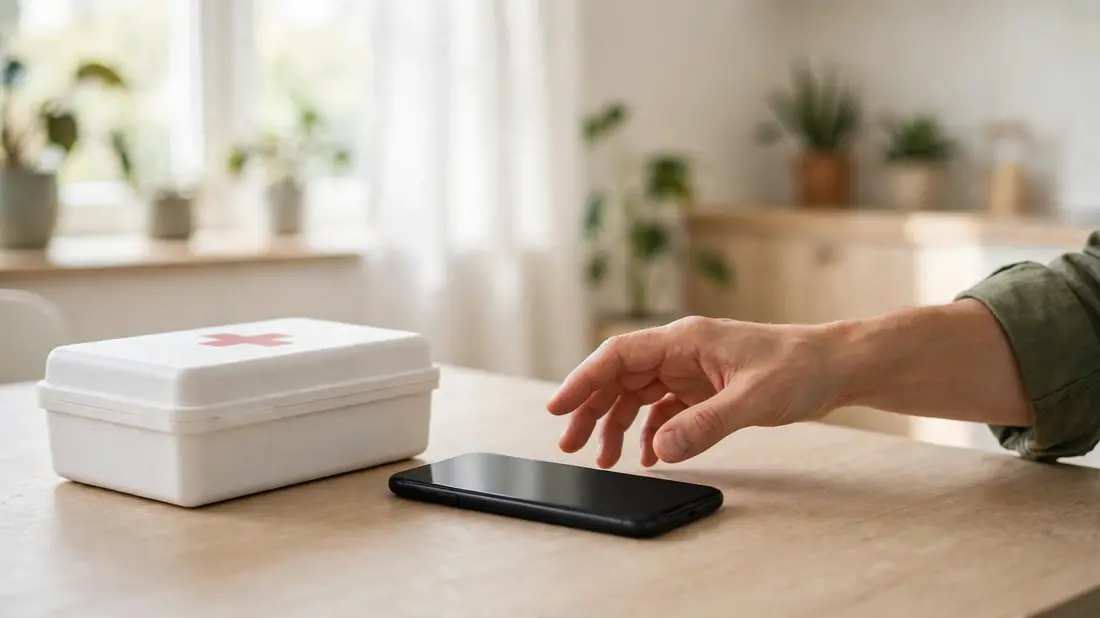
Glue on the lips or eyelids is the one case where you should not try to fix it yourself. Do not pull, do not use acetone, and do not rub. For lips stuck together, rinse with warm water and call Poison Control at 1-800-222-1222, or your local emergency number, for step-by-step advice. For glue in or near an eye, flush the eye gently with lukewarm water for fifteen minutes and get medical help right away, even if the eye feels fine. Super glue on the eyeball itself is rare, because the eye blinks and tears wash the glue away before it can bond, but an eyelid stuck to the eyeball needs a professional to separate it safely. The same goes for a child with glue anywhere near the face: call for help first, and do not try acetone or force.
Glue on a Child's Skin
Kids find super glue tubes the way they find everything else, and the result is usually a stuck finger or two. Stay calm, because a panicking child pulls, and pulling is what causes the real damage. Sit them down, soak the glued hand in warm soapy water, and make it a game: wiggle the fingers, rub in a little cooking oil, and see if the glue rolls off. Oil is the best choice here, since it is safe, painless, and something you already have in the kitchen. Never use acetone on a child unless a doctor or Poison Control tells you to. Once the glue is off, check the skin for redness or a raw patch, wash with soap and water, and add a dab of moisturizer. Then move the glue tube somewhere high, with the cap on tight.
What About the White Residue Left Behind
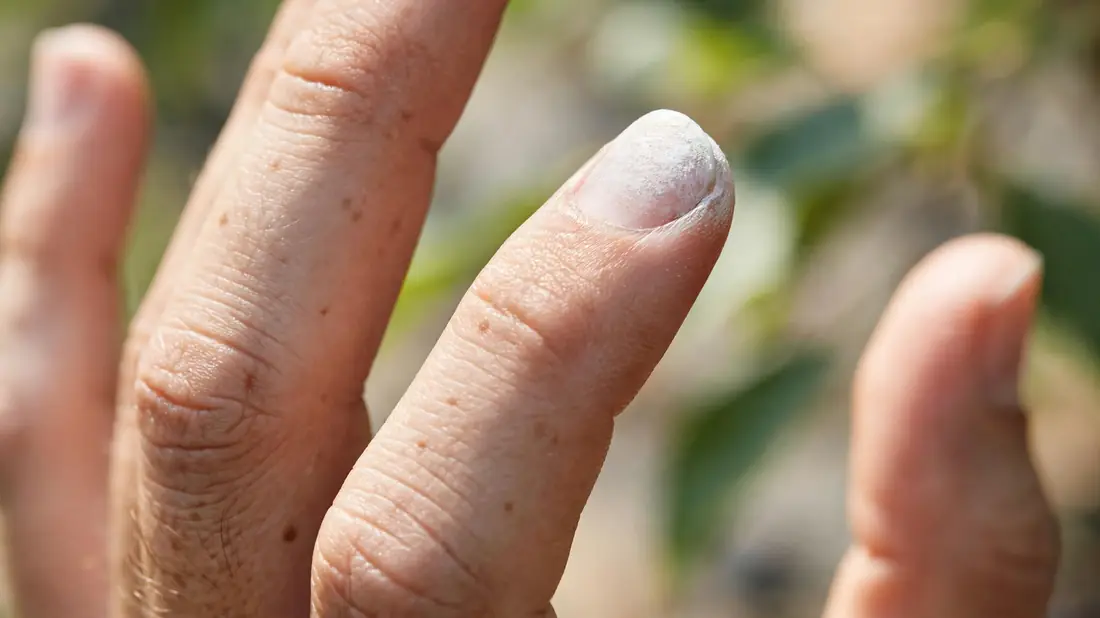
Even after the glue itself is gone, a thin white film often stays on the skin for a day or two. That is just a trace of cured glue sitting on the dead top layer of skin, and it is harmless. A warm shower, a little moisturizer, and normal hand washing will take it off as the skin sheds naturally. You can speed it along by rubbing in a little oil or hand cream and gently buffing with a soft washcloth. Do not pick at it with your nails or scrape it with anything hard; you will only irritate the skin underneath. If the white patch is on a spot that flexes a lot, like a knuckle, it may crack and flake on its own within a day. Leave it alone and let it go.
Keep the Tube From Gluing You Again
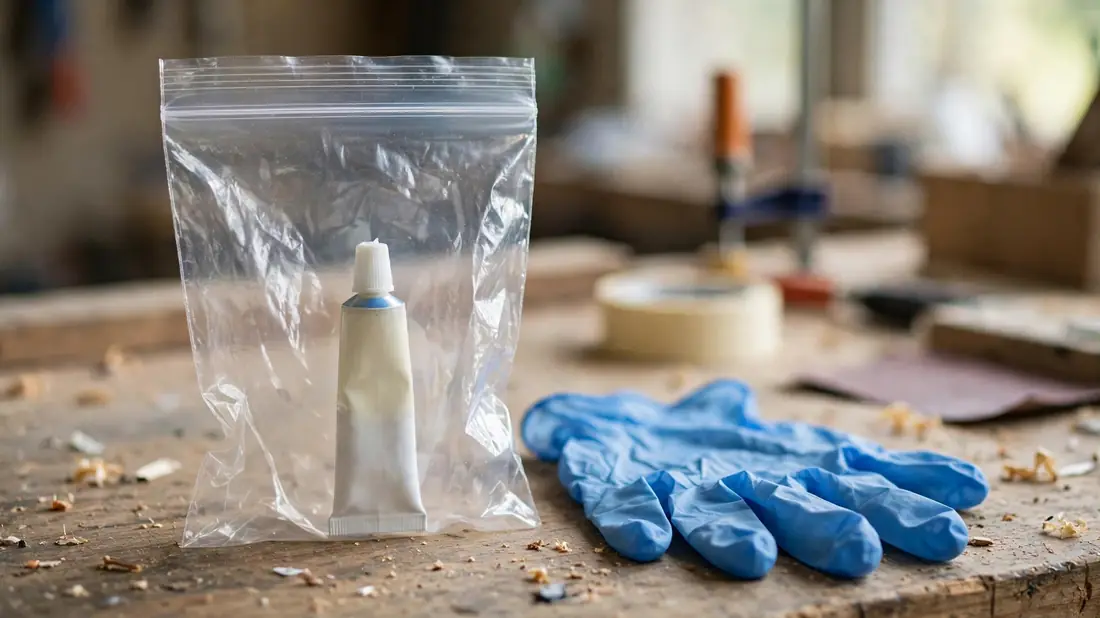
A little habit change keeps this from happening twice. Wear thin disposable gloves when you glue anything, and keep a damp cloth nearby so you can wipe a drip off your skin before it sets. Store the tube upright with the cap on, in a small zip bag, so a leak cannot spread. If the nozzle clogs, do not squeeze harder or poke it with a pin while pointing it at yourself; cut the tip off with scissors, away from your face. And buy the smallest tube you need. A big tube that sits in a drawer for a year dries out, clogs, and bursts when you finally squeeze it. A fresh small tube is cheaper than a stuck hand, and it works better too.
✅ Guide4U Checklist
- Don't pull glued skin apart
- Soak in warm soapy water first
- Rub in oil or petroleum jelly
- Try a salt paste on stubborn spots
- Use acetone only as a last resort
- Call Poison Control for eyes or lips
- Never use acetone on a child
Key Takeaways
- Pulling tears skin; soaking and oil free it safely.
- Oil works on almost every spot, acetone only as a last resort.
- Glue on lips or eyes is a call for help, not a home fix.
Frequently Asked Questions
How long does super glue take to come off skin on its own?
Without any treatment, super glue on skin usually wears off in one to three days as the top layer of skin sheds naturally. Warm soapy water and a little oil speed that up to a few minutes in most cases.
Can I use nail polish remover with acetone on skin?
Yes, on a small spot of healthy skin, but only as a last resort. Dab acetone on a cotton ball, hold it on the glue for a minute, then wash with soap and water and moisturize. Never use it near eyes or lips, on broken skin, or on a child unless a doctor advises it. Acetone-free removers will not work.
Is super glue on skin dangerous?
On normal skin, super glue is not dangerous: it bonds to the dead top layer and comes off on its own. The real risk is pulling and tearing the skin, or getting glue in an eye or mouth. If glue is on lips or near eyes, call Poison Control at 1-800-222-1222 instead of trying to remove it yourself.
What should I do if my fingers are glued together and will not come apart?
Soak them in warm soapy water for ten minutes, work oil into the seam, and roll the fingers gently side to side instead of pulling them apart. If they still will not separate after fifteen minutes, dab a little acetone into the seam with a cotton swab, then wash well. If that fails, call your doctor.
What did you think of this article? Share your opinion in the comments below — we would love to hear from you.