
How to Stop a Door From Squeaking
Quick Answer
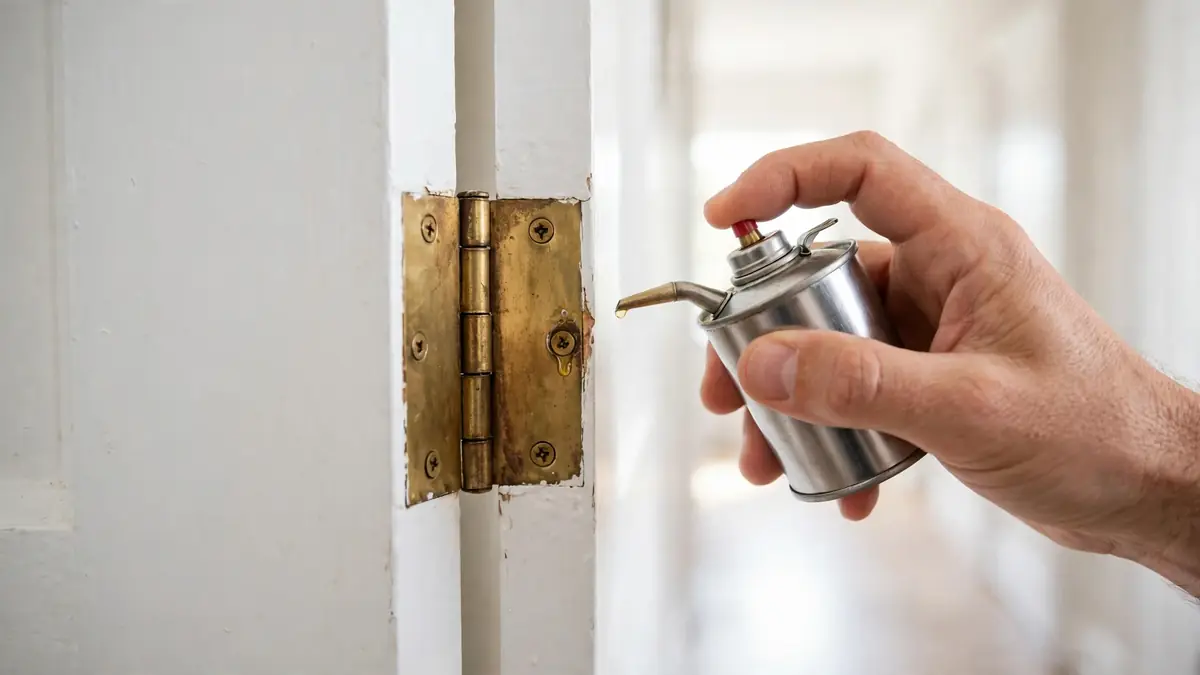
Find the noisy hinge by listening while the door swings, tighten its screws, then put a drop of white lithium grease on the pin and work the door back and forth. Never use cooking oil: it goes sticky and smells. If the pin is bent or the screw holes are stripped, replace the pin or plug the holes with glued dowels.
Find the Hinge That's Talking
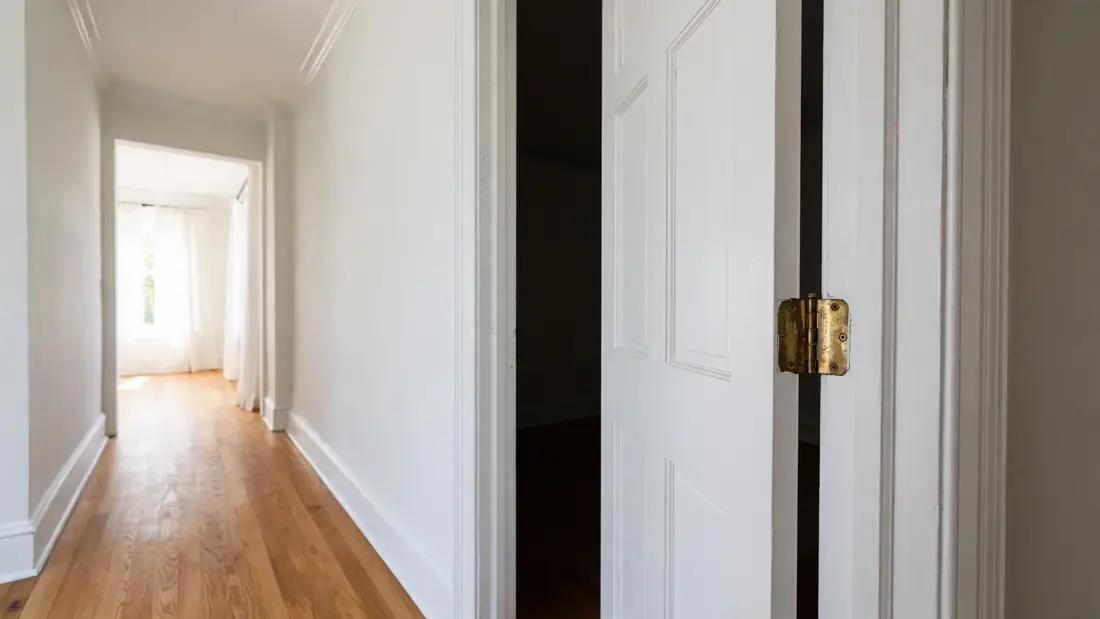
A door has two or three hinges, and only one of them is usually making the noise. Open the door slowly and listen, then close it the same way, and you will hear which hinge squeaks and when. You can narrow it down further by lifting the door gently at the handle while someone else moves it: if the squeak changes or stops, the loose hinge is the one taking the weight. Another quick test is to press a finger against each hinge in turn while the door swings. The one that vibrates under your finger is the noisy one. Guessing wrong just means oiling a hinge that was fine, so it is worth the minute this takes.
Tighten the Screws First
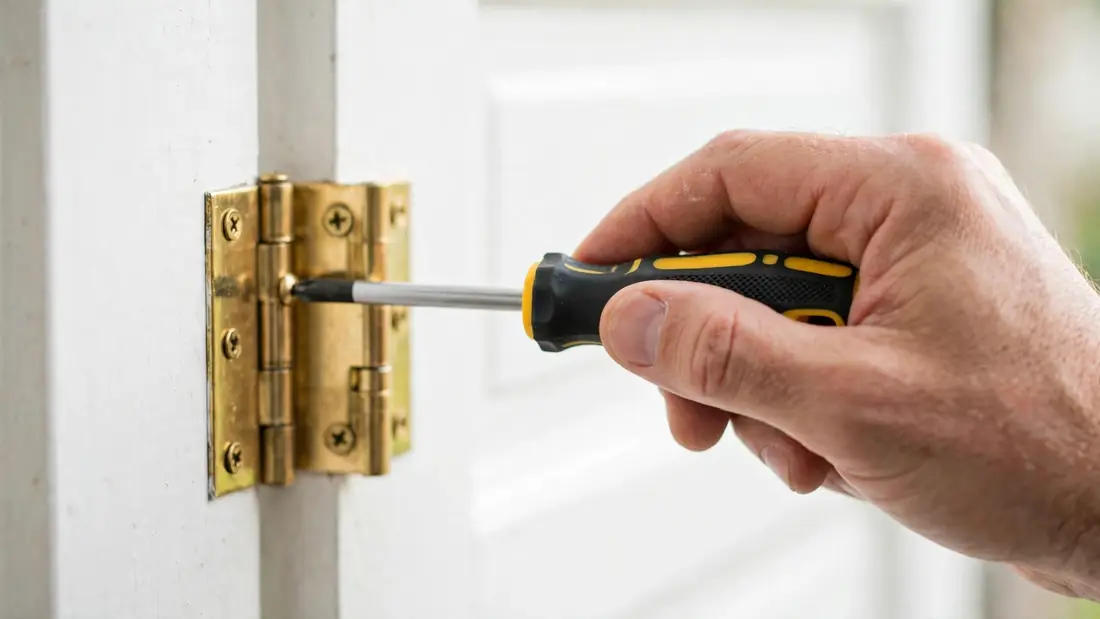
Before you reach for any oil, check the screws. A hinge that has worked loose lets the door sag a fraction of an inch, and that tiny shift puts pressure on the pin, which is often what squeaks. Tighten every screw on the noisy hinge with a screwdriver, not a drill, so you can feel when it bites. If a screw spins without tightening, the hole is stripped, and you will need a longer screw or a wooden plug, which is covered later in this guide. Tightening alone fixes a surprising number of squeaks, because the noise was never about the pin at all, it was about a hinge that had started to move.
A Drop of the Right Oil
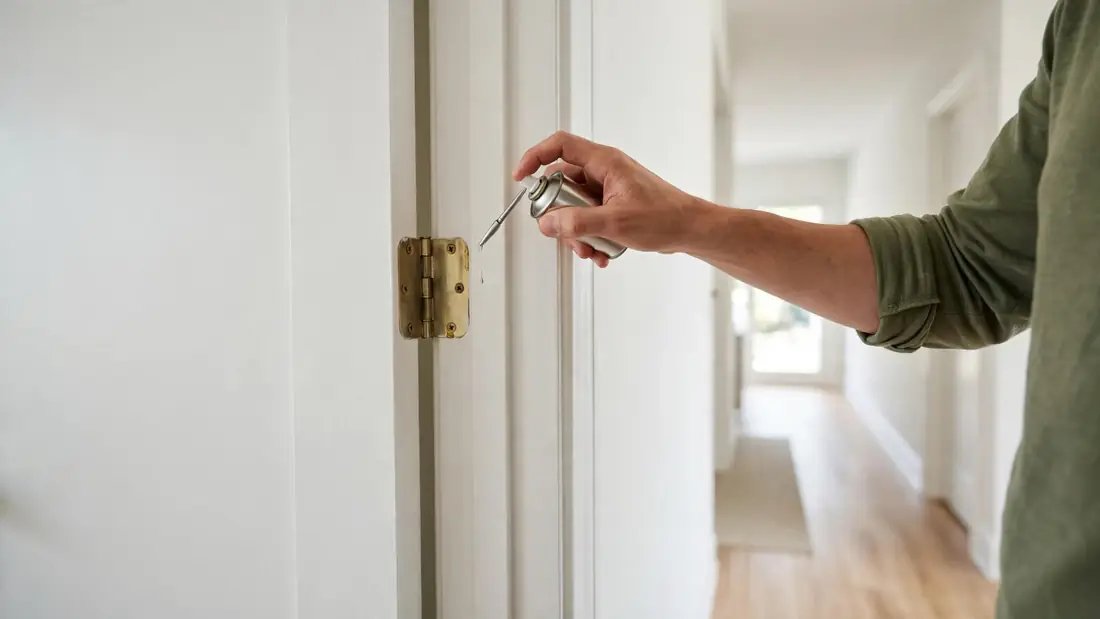
The right lubricant for a door hinge is one that stays where you put it. White lithium grease is the usual pick: it is thick enough to stay on the pin, it does not drip, and a single tube lasts for years of household jobs. Silicone spray works well too, especially on painted hinges, because it does not stain. Petroleum jelly does the job in a pinch if you already have a tub in the house. What you should never use is cooking oil. It seems like a good idea for about a day, then it goes sticky, collects dust, and starts to smell. A proper lubricant costs a few dollars and saves you from doing the job twice.
- White lithium grease: best for most hinges, stays put
- Silicone spray: clean, good for painted hinges
- Petroleum jelly: handy if it is already in the house
- Never use cooking oil: it goes sticky and smells
Work the Hinge Back and Forth
Once you have the right lubricant, put a small amount on the top of the hinge pin and let it run down into the hinge. Then open and close the door slowly, ten or fifteen times, so the pin turns inside the hinge and carries the grease all the way around. You will hear the squeak fade as the grease spreads. Wipe away the extra that squeezes out with a rag, because it will attract dust if you leave it. If the squeak is still there after a good working, the hinge needs to come apart for a proper clean, which is the next step. Do not just add more oil and hope: a dirty hinge needs cleaning, not drowning.
Take the Pin Out for a Proper Clean
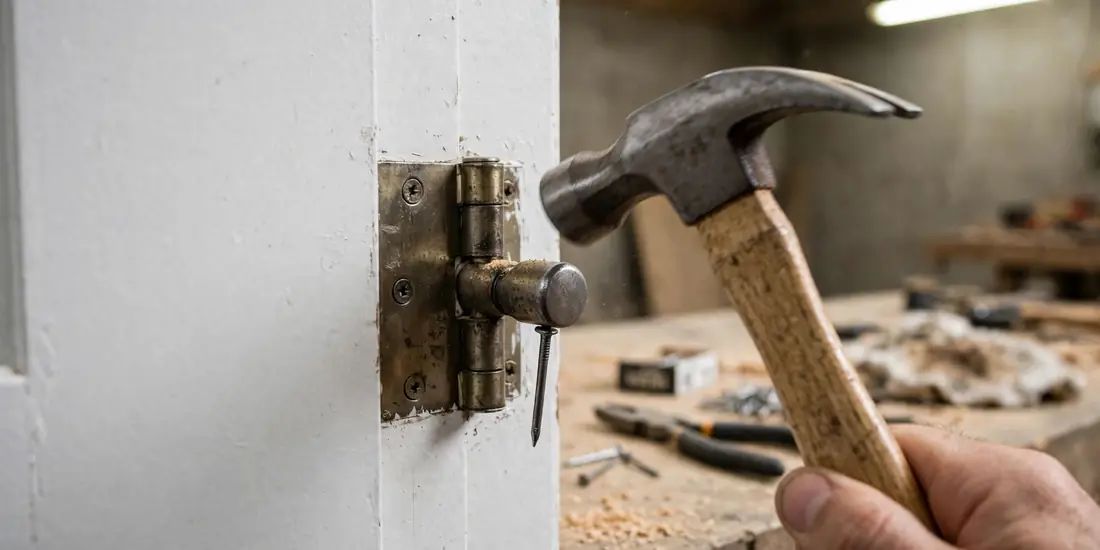
If oiling from the top did not fix it, take the hinge pin out. Close the door, tap the pin upward from underneath with a hammer and a nail, and catch it when it comes free. Wipe the pin clean with a rag and a little mineral spirits if it is grimy, and look at it closely: a pin with rust spots or a rough patch needs a light rub with fine steel wool until it feels smooth. Clean inside the hinge knuckles with a cotton swab, then coat the pin with white lithium grease and slide it back in. Tap it home gently, open and close the door a few times, and the squeak should be gone.
When the Pin Is Bent or Worn
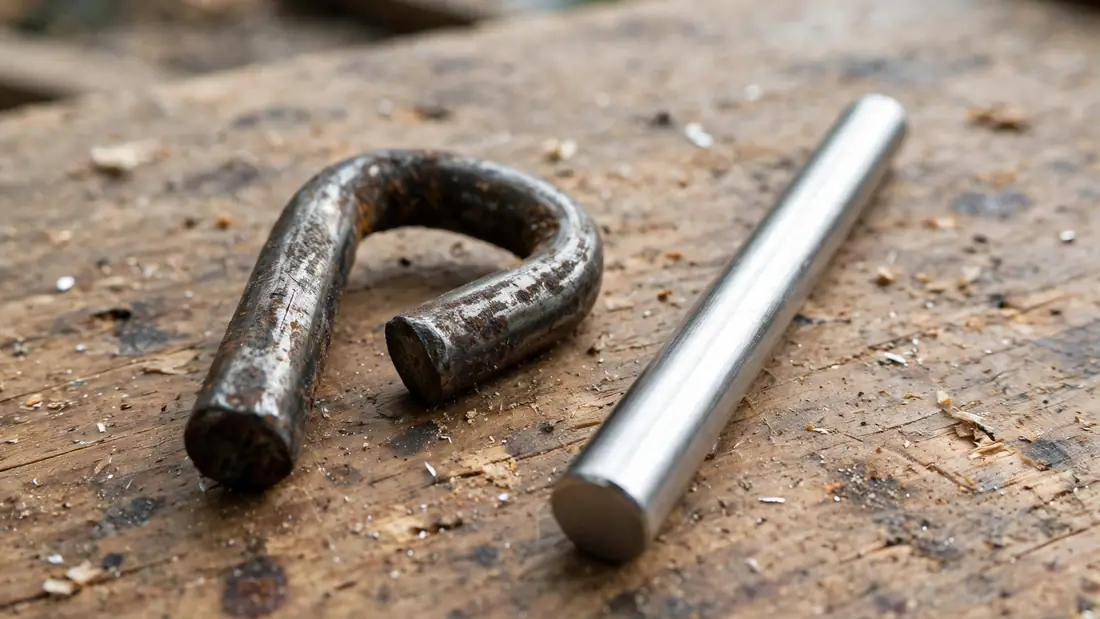
A hinge pin that is bent will squeak no matter how much oil you put on it, because it binds inside the hinge every time the door moves. Roll the pin on a flat surface and watch for a wobble: a straight pin rolls true, a bent one rocks. Pins also wear thin over years of use, and a worn pin rattles in the hinge and squeaks as it shifts. The fix is simple and cheap: take the old pin to the hardware store and buy a matching one, same length and same diameter. They cost very little, and a new pin with fresh grease makes an old hinge feel new. While you are there, pick up a spare for the next door.
Fix a Hinge That's Pulled Loose
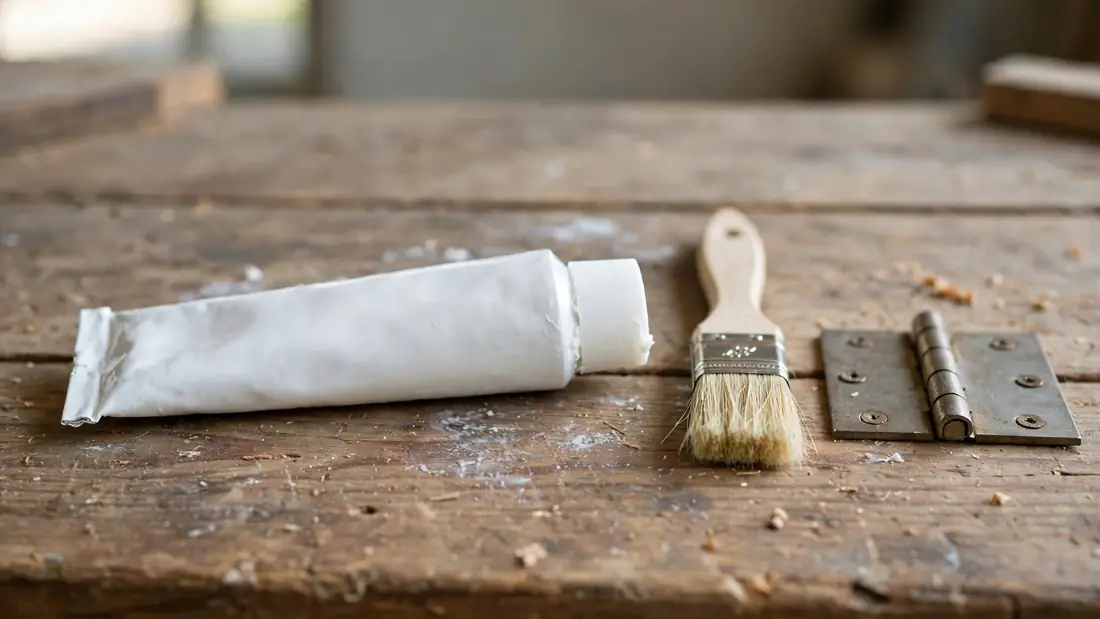
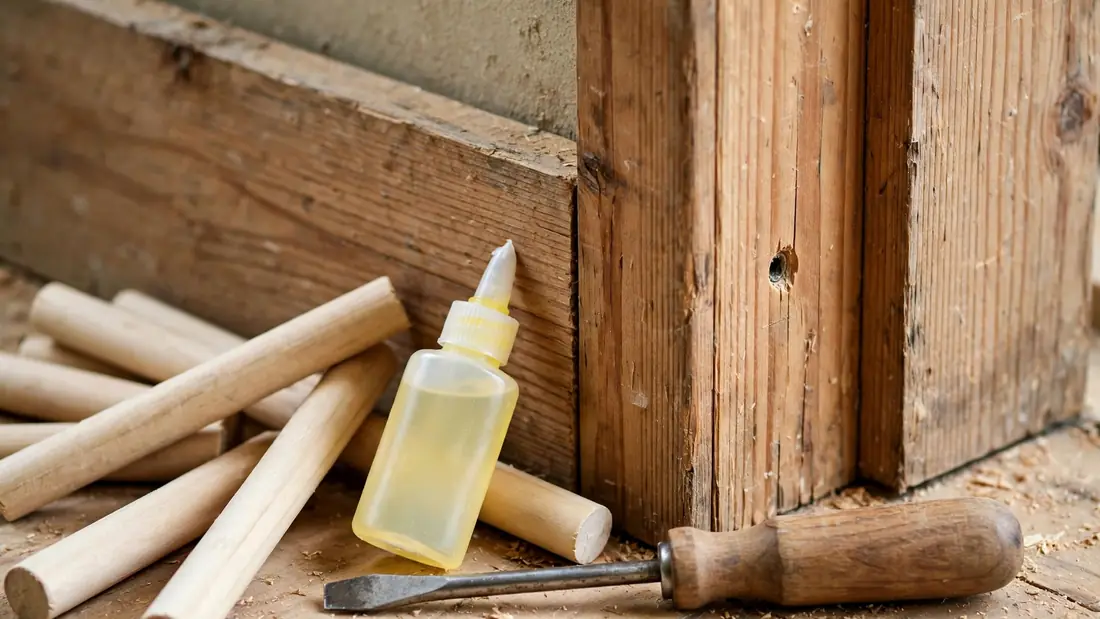
A hinge that has pulled away from the frame leaves a hole too big for the screw to grip, and no amount of tightening will hold it. The fix is to fill the hole with wood and start fresh. Push wooden golf tees, dowels, or matchsticks coated in wood glue into the stripped holes, tap them in snug, and let the glue dry overnight. Then trim the plugs flush with the frame, drill small pilot holes, and screw the hinge back on. The screws now bite into solid wood, and the hinge sits flat again. It takes a day of waiting for the glue, but it is a permanent fix, unlike a bigger screw that just strips a bigger hole.
- Remove the loose screws and the hinge plate
- Push wooden golf tees or dowels into the holes with wood glue
- Let the glue dry, then trim the plugs flush
- Drill small pilot holes and refit the hinge
The Door That Rubs and Squeaks
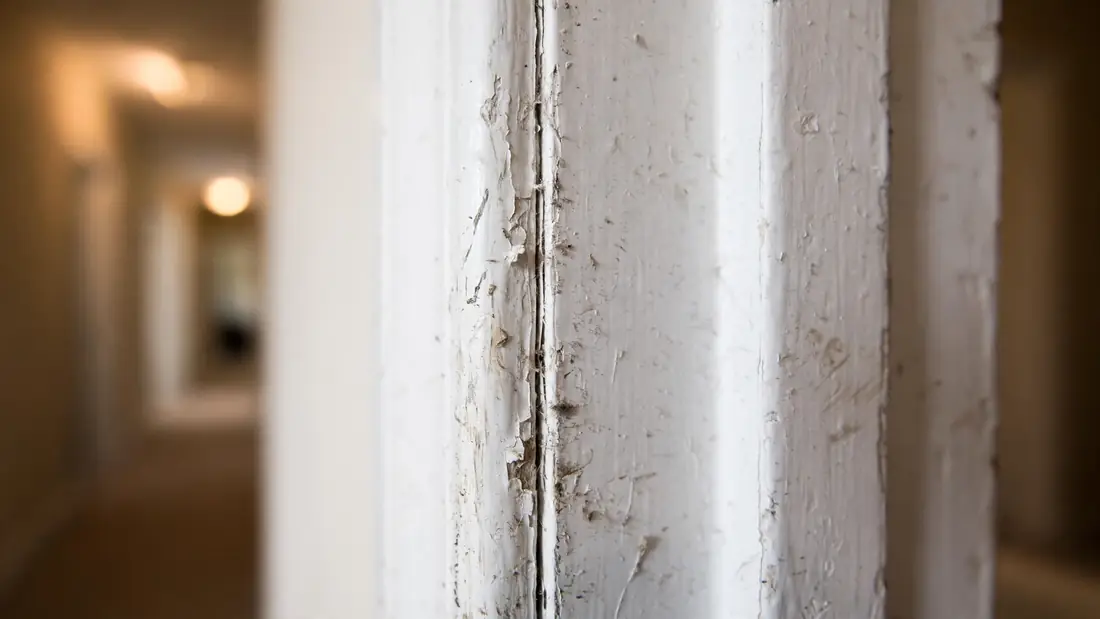
Sometimes the squeak is not the hinge at all, it is the door rubbing against the frame. Look for a shiny worn spot or a line of missing paint along the edge of the door or the frame, which is where the two are touching. The usual cause is a door that has swollen with humidity, or a hinge that has let it sag just enough to catch. If the rub is light, a few passes with sandpaper on the marked spot may be enough, followed by a touch of paint. If the door catches badly, a hand plane takes a thin shaving off the edge. Mark the spot with a pencil first, and take off less than you think you need: you can always take more.
Fire Doors and Rented Homes
One warning before you take any hinge apart: if the door is a fire door, leave the hinges alone. Fire doors are rated to hold back smoke and flame for a set time, and their hinges, seals, and closers are part of that rating. Removing a hinge or swapping a pin can void the rating, and in a rented home or an apartment building it can also break your lease terms. The same goes for any door with a self-closing arm or an intumescent strip around the edge. If a fire door squeaks, a drop of oil on the pin from the top is fine, but anything more is a job for the landlord or the building manager, not a weekend project.

A Five-Minute Check Every Spring
A squeaky door is a maintenance job, not a repair, and a little attention once a year keeps it from coming back. Every spring, walk through the house and open and close each door slowly, listening for the first hint of a squeak. Tighten any screws that have worked loose, put a drop of white lithium grease on any pin that sounds dry, and work the door a few times. It takes five minutes for the whole house, and it catches problems while they are still a drop of oil instead of a stripped screw hole. Doors tell you when they need attention. The trick is listening before they start shouting.
✅ Guide4U Checklist
- Find which hinge squeaks first
- Tighten the hinge screws
- Use white lithium grease
- Work the door back and forth
- Clean a dirty pin properly
- Replace a bent or worn pin
- Never use cooking oil
Key Takeaways
- Most squeaks are a loose screw or a dry pin, not a bad door.
- White lithium grease stays put; cooking oil goes sticky.
- Fire doors are the one exception: oil only, never dismantle.
Frequently Asked Questions
What is the best lubricant for a squeaky door hinge?
White lithium grease is the best all-round choice for a door hinge: it is thick enough to stay on the pin, it does not drip, and it lasts for years. Silicone spray is a good second pick, especially on painted hinges, because it does not stain. Petroleum jelly works in a pinch. Avoid cooking oil, which goes sticky and attracts dust.
Can I use WD-40 on a squeaky door?
WD-40 will quiet a squeak for a few days, but it is a solvent and water displacer, not a long-lasting lubricant, so the noise comes back quickly. It also washes away any grease that was already in the hinge. Use it to clean a dirty pin if you like, then follow with white lithium grease or silicone spray for a fix that lasts.
Why does my door squeak only in winter or summer?
Doors and frames swell and shrink with humidity, so a door that is quiet in winter can rub and squeak in humid summer air, or the other way round. The hinge pin also expands and contracts slightly with temperature. If the squeak is seasonal, check for a rub mark on the door edge first, since a light sanding or a small adjustment may fix it better than oil.
Should I oil a fire door hinge?
A single drop of lubricant on the pin from above is fine, but do not remove the hinge, swap the pin, or change any part of a fire door yourself. Fire doors are rated as a complete unit, and changing the hardware can void the rating and break lease or building rules. If a fire door squeaks badly, tell your landlord or building manager and let them arrange the fix.
What did you think of this article? Share your opinion in the comments below — we would love to hear from you.