
How to Survive a Nuclear Attack
Quick Answer
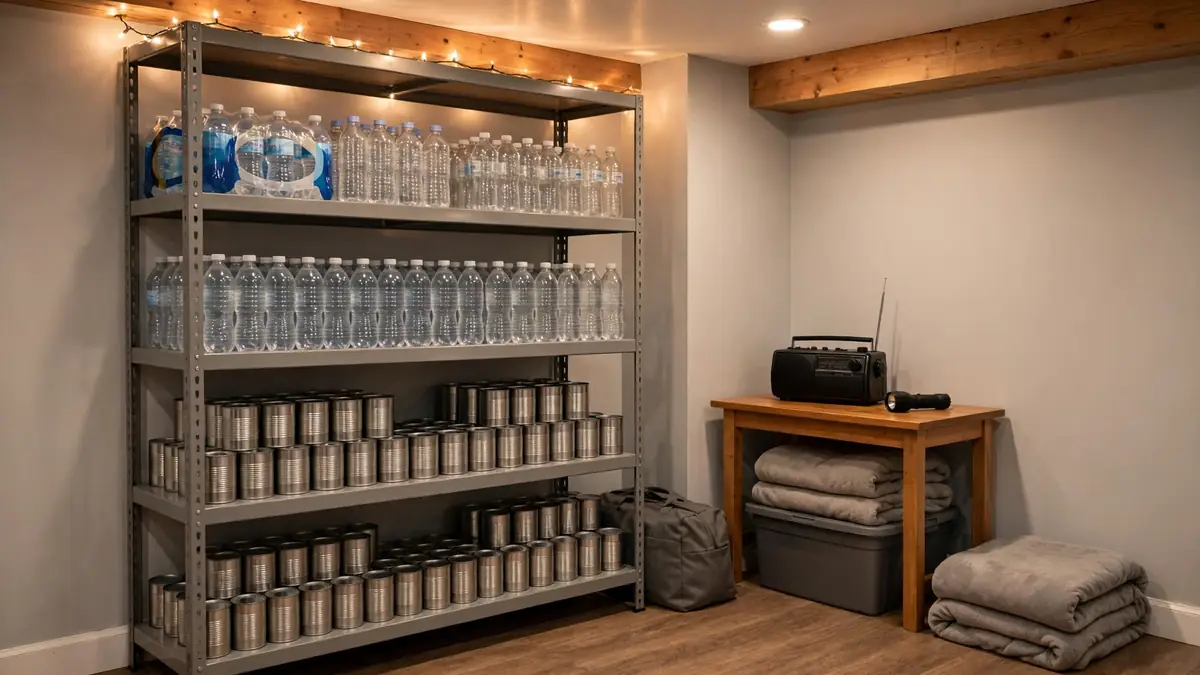
Get inside the nearest sturdy building right away, go to the basement or the middle of the building, and stay inside for at least 24 hours unless officials say otherwise. If you were outside, remove your outer clothes, bag them, and wash your skin with soap and water. Follow official instructions on a battery radio or your phone.
The Three Steps That Matter Most
Ready.gov, the US government's preparedness site, sums up nuclear safety in three short steps: get inside, stay inside, and stay tuned. Those three words cover almost everything that matters, because the biggest danger after a nuclear explosion is not the blast itself for most people, it is the radioactive dust, called fallout, that drifts down in the hours after. A sturdy building blocks most of that dust, and the radiation it gives off drops fast in the first day. That is why the first decision, getting inside quickly, matters more than anything you buy or pack. This guide follows the public guidance from Ready.gov, FEMA, and the CDC, and if local officials ever give different instructions, follow theirs.
What to Do the Moment You Get a Warning
If you get an alert on your phone, or hear a warning on the radio, do not wait to gather things. Go inside the nearest sturdy building right away, whether it is your home, an office, a shop, or a school. Do not try to drive away from the area, since roads clog fast and a car gives you almost no protection. Bring children and pets in with you, and close the doors and windows once everyone is inside. If you were outside when the warning came, brush off any dust from your clothes before you come in, and leave your shoes by the door. The first few minutes are the ones that count, so speed matters more than packing a bag.
Pick the Safest Room in Your Building
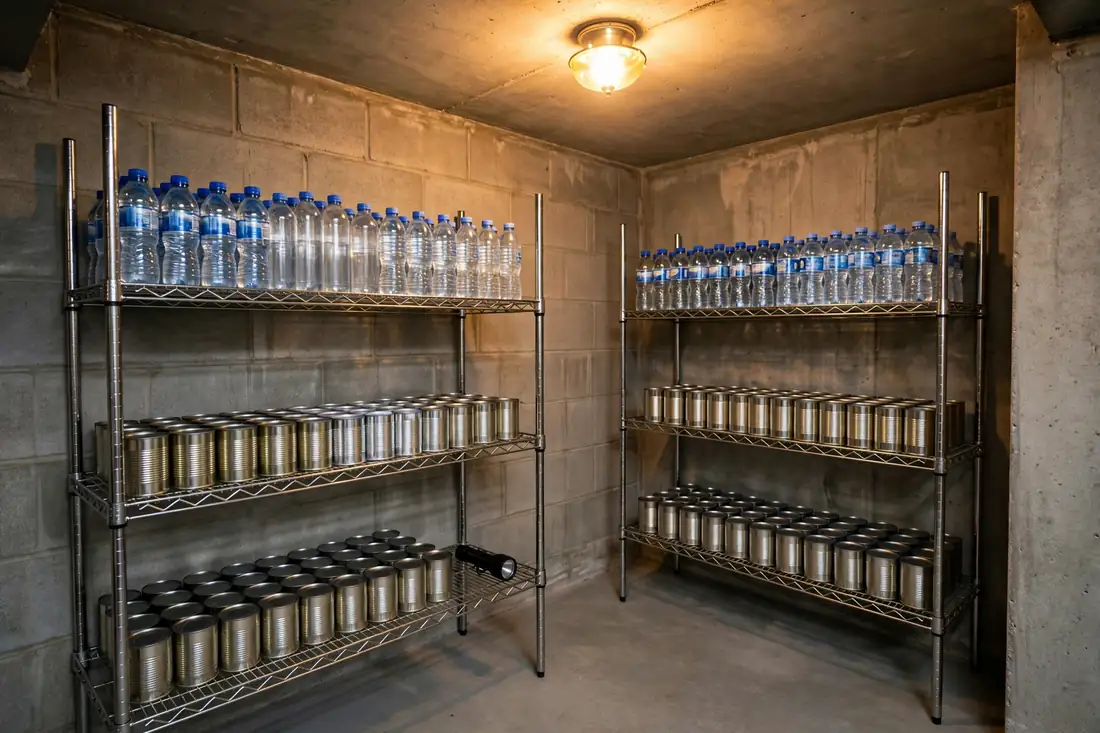
Once you are inside, head for the lowest floor you can reach, or the middle of the building if there is no basement. A basement is the best spot, since the earth around it blocks radiation, but the center of a ground floor works too. Stay away from windows and outside walls, and avoid the top floor and the roof. Brick, concrete, and stone block radiation better than wood, so a concrete basement beats a wooden shed by a wide margin. If you live in an apartment, the stairwell or a hallway in the middle of the building is a solid choice. Pick the spot before anything happens, so nobody in your household has to think about it under stress.
What If You Are Outside When It Happens
If you are caught outside when a blast happens, get inside the nearest building as fast as you can, and do not stop to watch the explosion. The flash is bright enough to hurt your eyes, and the dust that follows is the real danger. If there is no building nearby, lie flat on the ground, face down, and cover your head with your arms or a jacket. Stay down until the dust settles, then get up and move to the nearest building. Once you are inside, take off your outer layer of clothing and put it in a bag away from other people, then wash any exposed skin with soap and water. Do not use conditioner on your hair, since it can bind radioactive dust to your hair.
What If You Are in a Car
A car is a poor shelter, so treat it as a last resort, not a plan. If you are driving when a warning comes, pull over and get into the nearest building. If no building is close, stay in the car, roll the windows up, turn off the vents and air conditioning so outside air stops coming in, and cover your mouth and nose with a cloth. Lie down across the seats if you can, to put as much of the car between you and the dust as possible. Once the dust has settled, drive carefully to the nearest building, or walk there if the car cannot move. Do not drive through areas where you can see dust falling.
How Long to Stay Inside
Ready.gov advises staying inside for at least 24 hours after a nuclear explosion, unless local officials tell you it is safe to come out sooner. That number is not random: radiation from fallout drops steeply in the first hours, so the first day of sheltering does most of the work. Staying inside for a full day can cut your exposure by a large amount compared with going out in the first hours. Listen to a battery-powered radio or your phone for official updates, and do not leave just because the sky looks clear. Officials will announce when it is safe, and that announcement is the one that matters. If you must go out briefly, cover up and come back inside fast.
Clean Yourself Off If You Were Outside
If you were outside during or after the blast, cleaning yourself off is one of the best things you can do. Radioactive dust sits on skin and clothes, and washing it off removes most of it before it can do harm. The CDC's advice is simple and worth following exactly: take off your outer clothes, seal them in a bag away from other people, and wash your skin and hair with soap and lukewarm water. Do not scrub hard enough to break the skin, and skip conditioner, since it can bind dust to your hair. Put on clean clothes from a closed drawer or closet, and wash your hands before eating or touching your face.
- Remove outer clothing and seal it in a bag
- Wash skin and hair with soap and lukewarm water
- Do not use conditioner or scrub hard
- Put on clean clothes from a closed drawer
Food, Water, and Medicine While You Shelter
While you shelter, stick to food and water that was sealed or covered before the blast. Canned food, bottled water, and food in sealed containers are fine, since the packaging keeps dust out. Tap water is usually safe if local officials say so, but if they warn against it, use bottled water instead. Do not eat food that was sitting out uncovered, and do not drink from open containers that were outside. Take any regular medicine on your normal schedule, and keep it with you in the shelter room. If you have a baby, use formula or breast milk as usual, and wash your hands before feeding.
Staying Informed While You Wait
Waiting inside for a day is hard, and rumors make it worse, so get your information from official sources only. A battery-powered or hand-crank radio works even if the power and cell networks are down, and it is worth keeping one in your home for this reason. Your phone will still get emergency alerts if the network is up, so keep it charged with a power bank. Local emergency management, FEMA, and the CDC are the sources to trust, not social media posts or forwarded messages. If the instructions from officials change, follow the newest ones, even if they differ from what you read earlier. Write down the key instructions on paper, in case the power goes out.
After the All-Clear: What Comes Next
When officials say it is safe to leave your shelter, do not rush out to see the damage. Move carefully, stay on paved roads, and avoid areas with visible dust or debris. Check on your neighbors, especially older people and anyone living alone, once you are sure your own home is safe. If your home has damage, do not go back inside until officials or a qualified inspector say it is safe, and take photos of any damage for insurance. Wash your hands often during cleanup, wear gloves and a mask if you are handling dusty debris, and keep children away from rubble. Recovery takes time, and the local emergency office will post updates on shelters, water, and food distribution.
A Simple Kit to Keep Ready
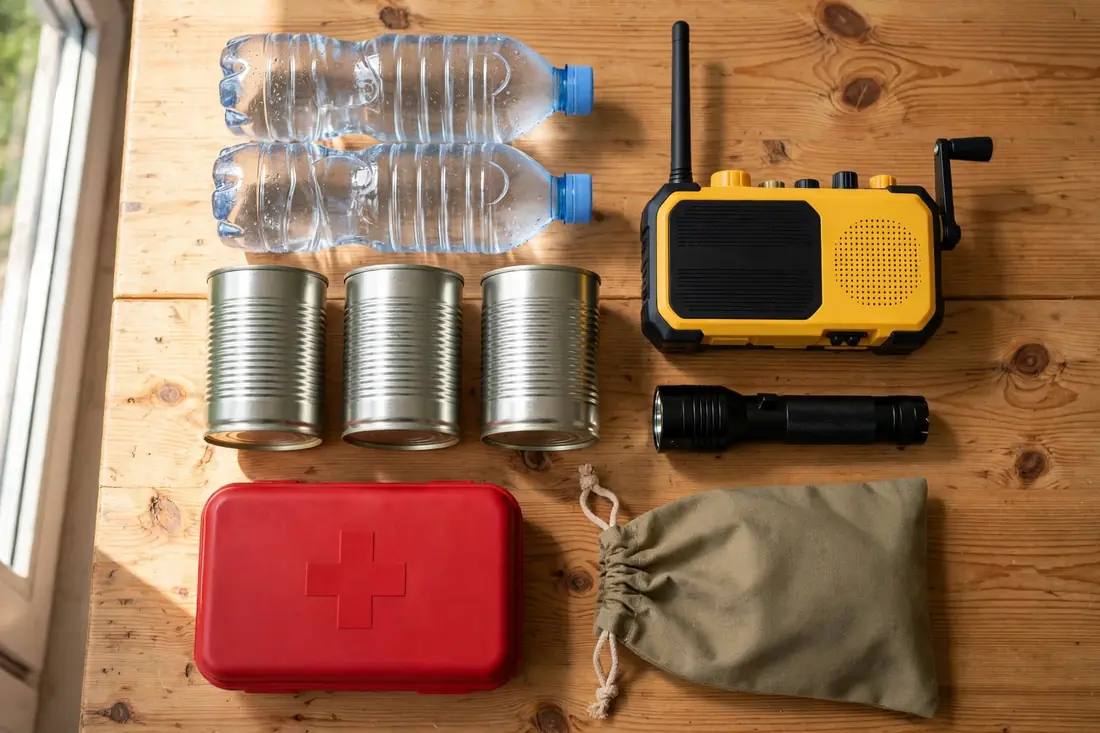
A small kit means you are not scrambling when a warning comes. You do not need a bunker or a month of supplies: a three-day kit covers what officials recommend, and most of it is already in your home. Keep it in one bag, in the room you would shelter in, and check it twice a year, rotating the food and water so nothing expires. The kit buys you time and calm, which are the two things that matter most while you wait for instructions. Build it this weekend, and it is one less thing to worry about.
- One gallon of water per person per day, three days
- Three days of canned and dry food
- Battery radio, flashlight, extra batteries
- First aid kit and a week's medicine
- Copies of IDs and key phone numbers
- Cash in small bills
✅ Guide4U Checklist
- Get inside a sturdy building fast
- Go to the basement or center
- Stay inside at least 24 hours
- Remove outer clothes, wash skin
- Use sealed food and water only
- Follow official radio updates
Key Takeaways
- Get inside, stay inside, stay tuned
- The first 24 hours matter most
- Official instructions always come first
Frequently Asked Questions
How far away do I need to be from a nuclear blast to survive?
It depends on the size of the weapon, and no honest guide can give one number for every case. What matters most is being inside a sturdy building when the blast wave and fallout arrive, since distance alone does not protect you. People in basements or the middle of concrete buildings have survived even fairly close to a blast, while people outside in the open have been hurt much farther away. Get inside fast, and stay there.
Is it safe to drink tap water after a nuclear attack?
Usually yes, if local officials say the water supply is safe. Water in covered tanks and sealed bottles is safe, and tap water that was in closed pipes is generally fine. If officials warn against tap water, use bottled water until they say otherwise. Do not drink water from open containers, ponds, or streams after an attack.
Should I take potassium iodide?
Only if local health officials tell you to. Potassium iodide, or KI, protects the thyroid gland from one type of radioactive material, but it does not protect the rest of your body, and taking it at the wrong time or dose can cause harm. Keep a supply at home if you live near a nuclear plant, but wait for the official instruction before taking it.
How long does radiation last after a nuclear explosion?
The radiation from fallout drops very fast in the first hours and days. After the first 24 hours, the level is a small fraction of what it was at the start, which is why sheltering for a day matters so much. Some areas can stay unsafe for weeks, though, which is why you should only leave shelter when officials say it is safe. Follow their updates, not your guess.
What did you think of this article? Share your opinion in the comments below — we would love to hear from you.